
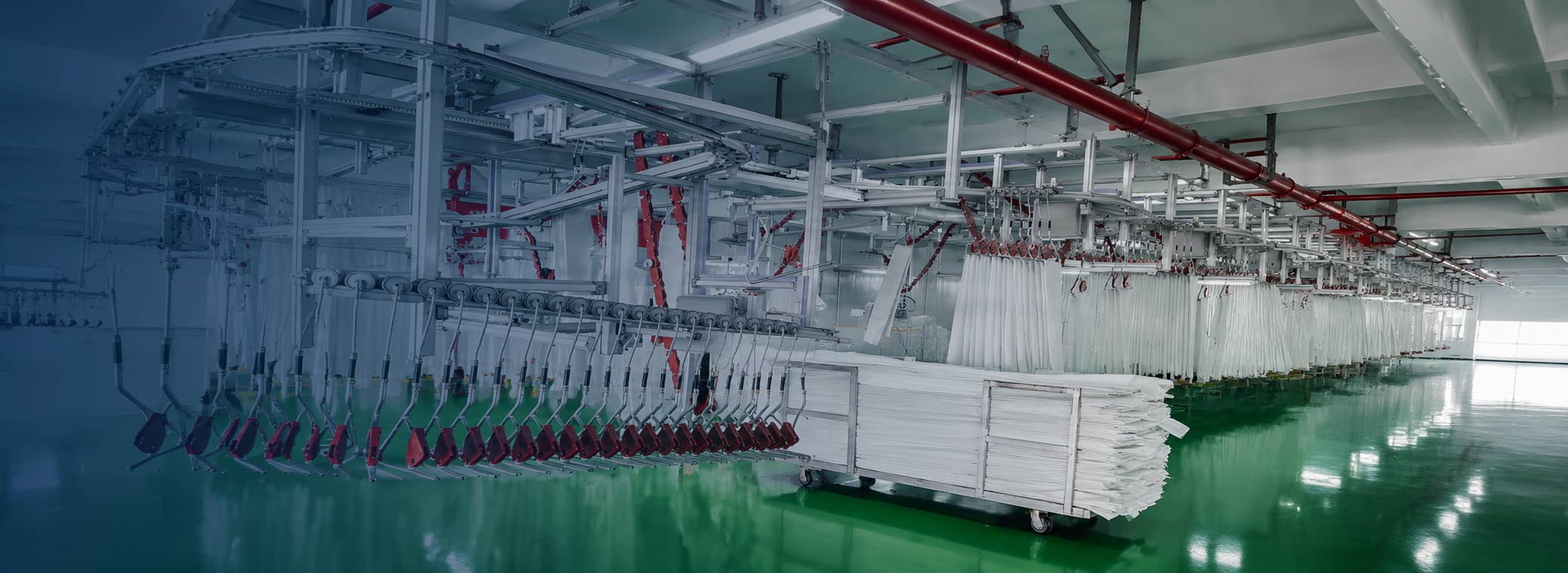
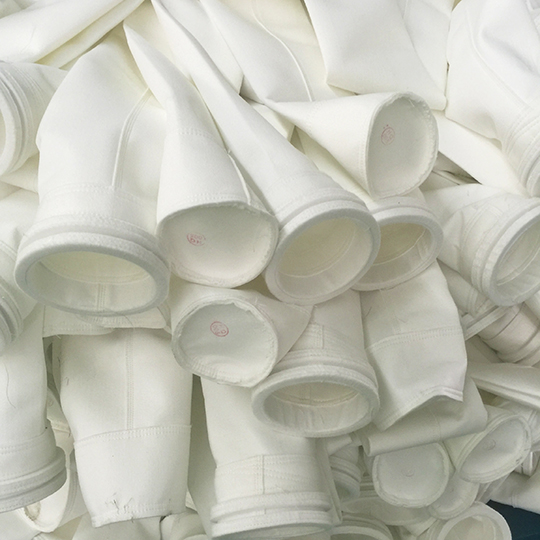
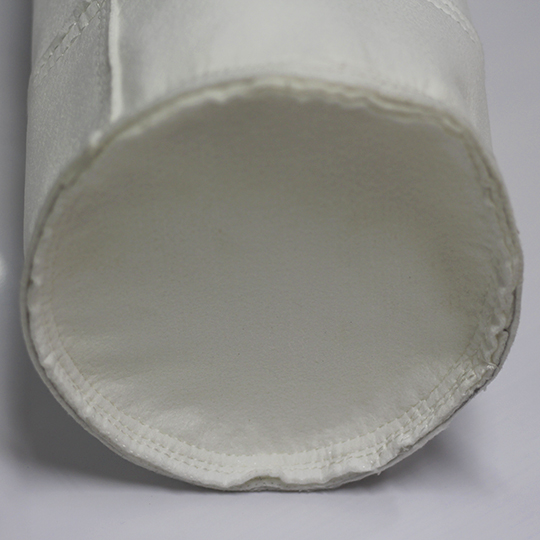
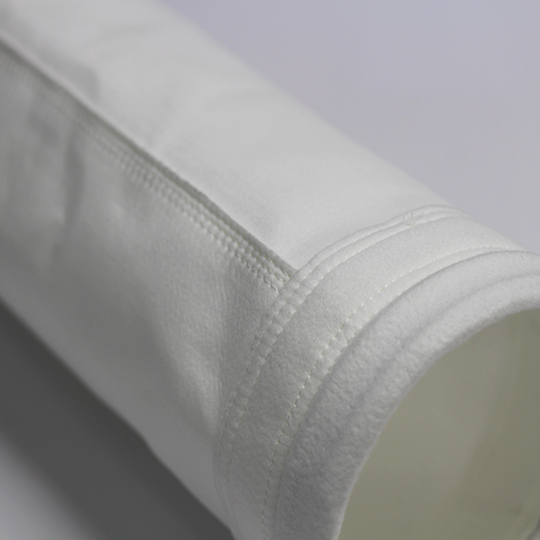
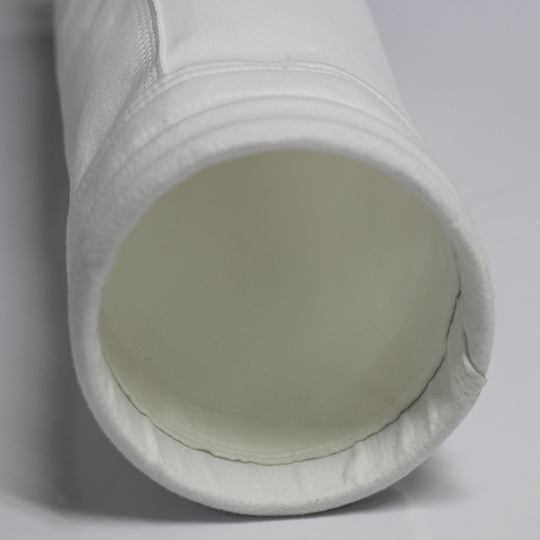
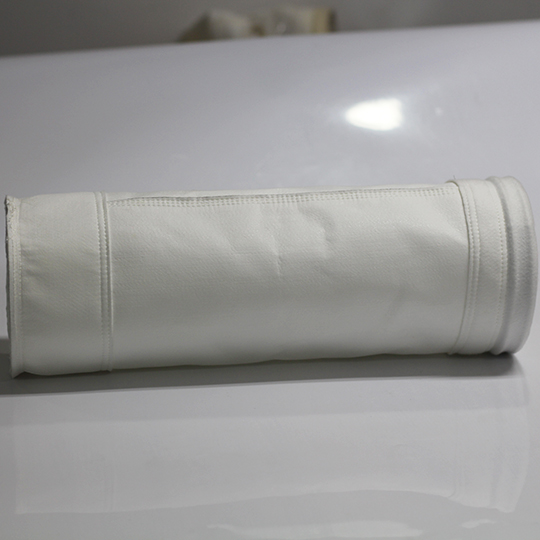
Polyester(PET) Needled Felt Dust Collector Filter Bag
The most widely used type of filter bags for industrial dust removal
≤130-150°C in low and medium temperature conditions
Various finishes can be combined
3D needled felt,high dust load
Depth filtration+dust cake filtration
Suitable for continuous operation with high Air to Cloth(A/C) ratio
Cost Effectiveness
Typical Cement, mining, woodworking and general industry
What Are Dust Collector Filter Bags?
These dust collector filter bags are widely used in industrial continuous production environments such as cement, steel, non-ferrous metallurgy, chemical, and silicone production, and are key components in all types of industrial dust control systems.
- Dust Collector Filter Bags (Industrial Dust Removal)
Mainly used in large-scale continuous operation of the dust collection system, suitable for high dust load/concentration environment
- Dust Extraction Filter Bags (Workshop or equipment-side dust capture)
Usually used for localized dust removal at the workshop or equipment end, small system size, high permeability.
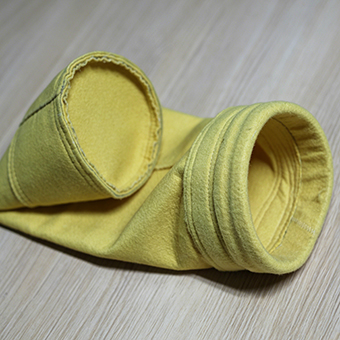
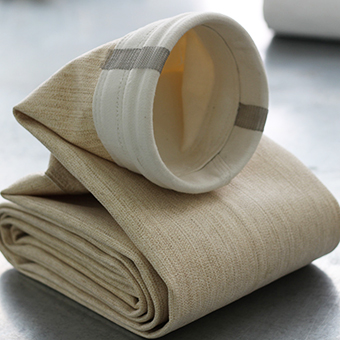
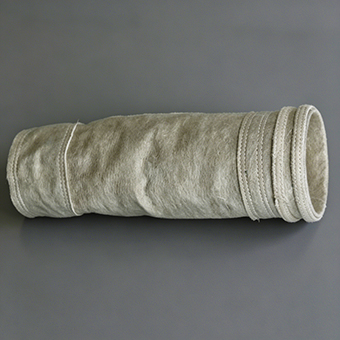
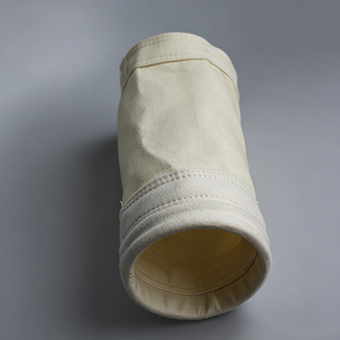
Dust Collector Filter Bags Made of Different Material Types
Filter media selection should be based on continuous and peak temperature, moisture, oxygen, acids or alkalis, abrasion, particle characteristics and cleaning method. Use the comparison as a preliminary reference; final media, finish and construction require project review. For manufacturing and material details, see the SFFILTECH dust filter bag resource.
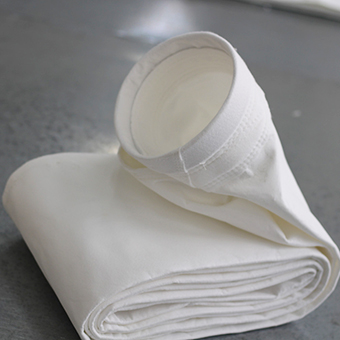
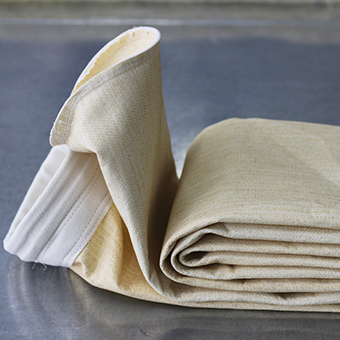
Dust Collector Filter Bags Classified by Different Structures and Processes
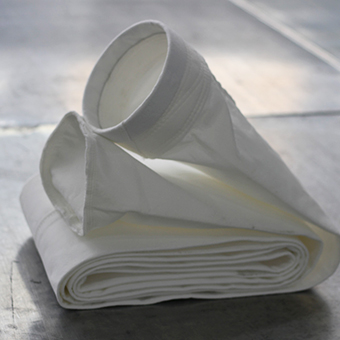
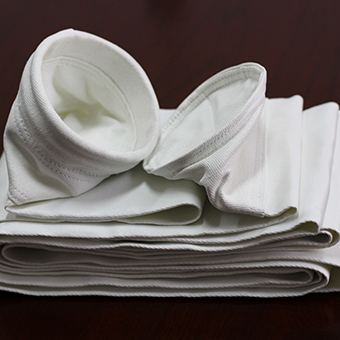
The following different Dust Collector Filter Bags are suitable for different filtration accuracy, airflow velocity and dust removal requirements, needled felt filter bags are the most widely used mainstream filter bag form.
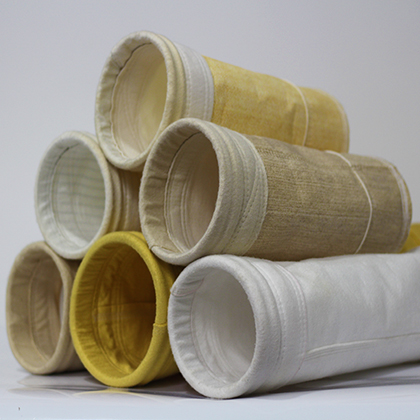
3D structure
Depth filtration + dust cake filtration
Mainstream Industrial Option
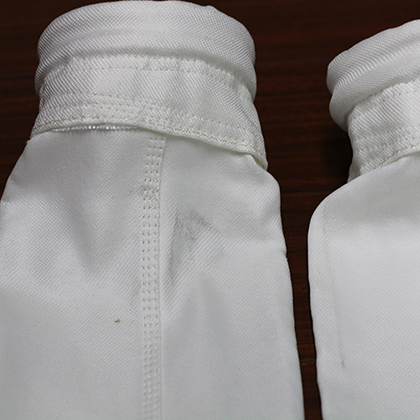 Woven Fabric Filter Bags
Surface Filtration
Regular Pore Structure
Primarily Membrane-based
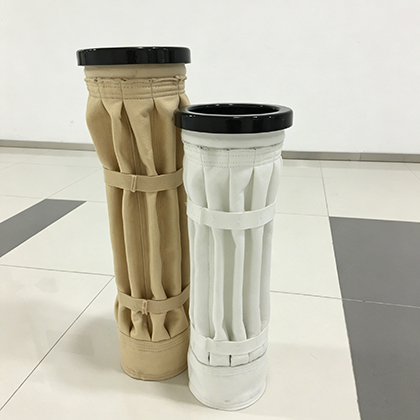 Depth filtration + dust cake filtrationIncreased filtration areaTo be considered using in limited spacesUpgrading of aging equipment
Features of Dust Collector Filter Bags
FiltEdge coordinates U.S. project inquiries and replacement reviews. Recommendations, documents, testing, pricing, delivery and support scope are confirmed for the selected specification and order.

Effective capture of fine dust, meeting the regulations of conventional and ultra-low emission.

Suitable for continuous operation with low performance fluctuations

Dust detaches easily, reducing the risk of clogging

Compatible with broad temperatures, dust conditions, and chemical environments
Supports various fibers and composite structures

Adaptable to various dust collectors and installation methods

Good durability under reasonable operating conditions and long replacement intervals.

Easy to operate and maintain, with low resistance, reducing overall operating costs.
What Are Dust Collector Filter Bags Filtration Mechanisms?
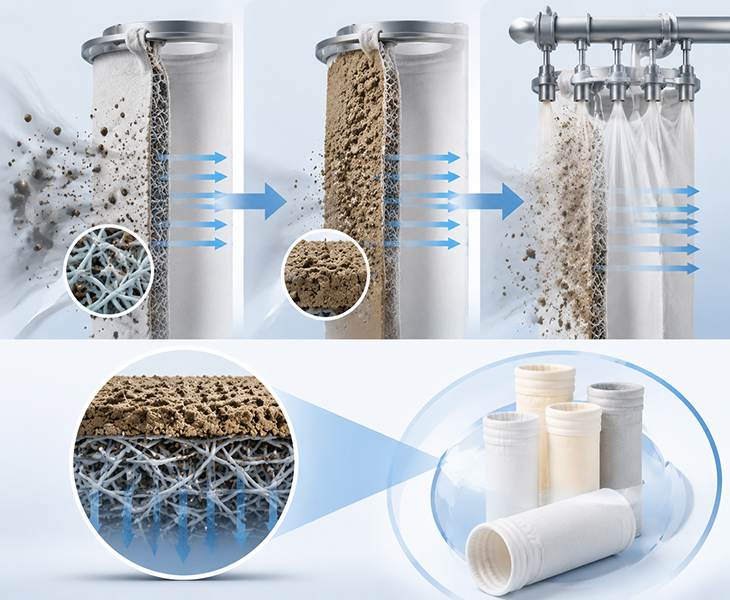
The filtration process of dust collector filter bags mainly includes:
- Initial Filtration/Deep Filtration
The fiber layer intercepts larger particles
- Dust Layer Filtration (Dust Cake)
Formation of a stable filtration layer to improve efficiency
- Dust Removal Cycle
Accumulated dust is removed by pulse jet blowing or reverse blowing
The Dust Cake is the key mechanism for achieving high-efficiency filtration.
How Do You Choose Proper Dust Collector Filter Bags?
Operating conditions
Record continuous and peak gas temperature, moisture and dew point risk, oxygen, acids or alkalis, particle size, abrasiveness, dust loading and the applicable emission requirement.
Media and finish
Shortlist media and surface treatments only after checking those conditions. A finish can change dust release, permeability, chemical resistance and pressure-drop behavior, so it should not be selected by temperature alone.
Construction and fit
Confirm bag diameter, length, top and bottom construction, seam, cage fit, tube-sheet opening and cleaning method against a drawing or sample before production.
Dust Collector Filter Bags with Different Cleaning Methods

Dust removal by high pressure pulse jet reverse airflow
Airflow from outside to inside of filter bag during filtration
Most commonly used filter bags
Typical long and cylindrical style
Metal bag cages supported always
Needled felt as filter media commonly
High dust load & High air volume & High A/C

Dust removal by mechanical shaking
Airflow from inside to outside of filter bag during filtration
One of earliest baghouse filter bag designs
Simple & not popular but still used seldomly
Woven fabric as filter media mainly
Lower dust load & Moderate air volume & Medium A/C
Stable performance and good resistance to repeated mechanical stress.

Dust removal by low pressure reverse airflow
Airflow from inside to outside of filter bag during filtration
One of earliest baghouse filter bag designs
Non major type but still used in many cases
Several metal anti collapse rings supported
Woven fabric as filter media mainly
Medium dust load & High air volume & Low A/C
Woven fabric as filter media mainly
Why Choose FiltEdge for Dust Filter Bags?
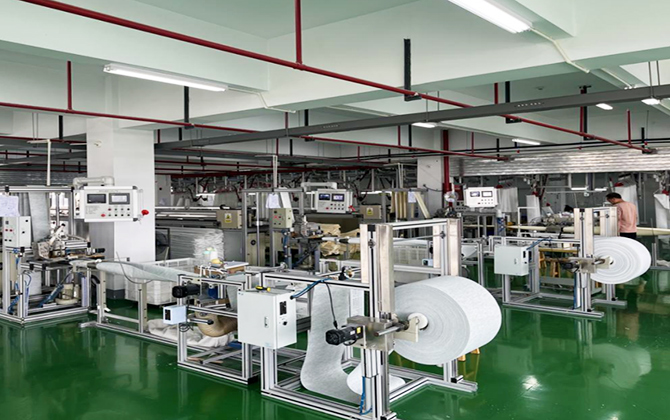
FiltEdge LLC is a U.S. company established in 2023, supported by SFFILTECH in China, established in 2006. Manufacturing support is provided through SFFILTECH in China. Confirm product specifications, available quality documents, pricing and delivery in the quotation. Certificates must be checked for the relevant entity, facility and product. Support is arranged during business hours; any on-site service or warranty terms require separate agreement.
Key Application Industries and Fields for Dust Collector Filter Bags
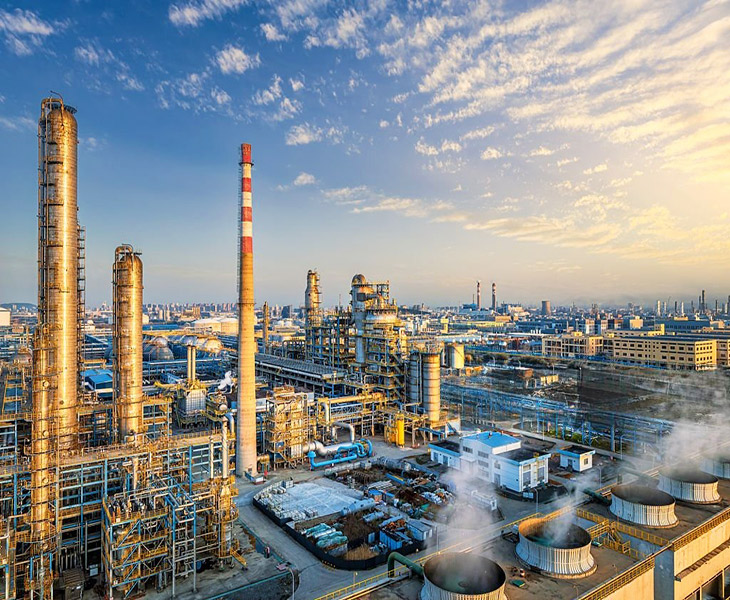
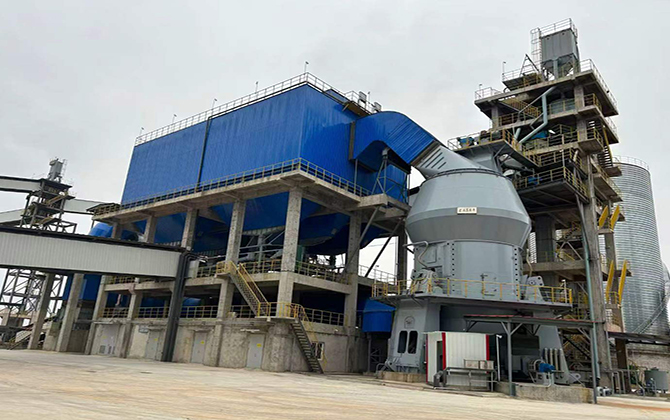
Dust Collector Filter Bags are widely used in a variety of large-scale continuous production industries, especially in the field of heavy industry. Representative examples include the cement, iron and steel, coal-fired boilers, waste incineration, non-ferrous metallurgy and so on.
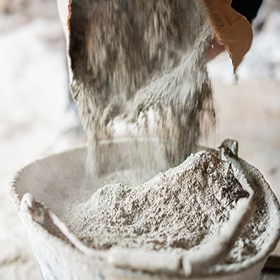
Suitable for high dust concentration/load and continuous operation environment, high temperature at kiln head and kiln tail, high requirements for wear resistance and stability of the filter bag.
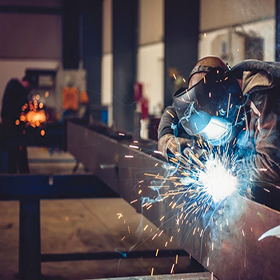
High temperatures and complex gas compositions require temperature and chemical resistance.
How Can You Improve Dust Collector Emission Performance?
By integrating a range of professional filter products and technologies, FiltEdge helps you achieve your required dust collector emission performance.
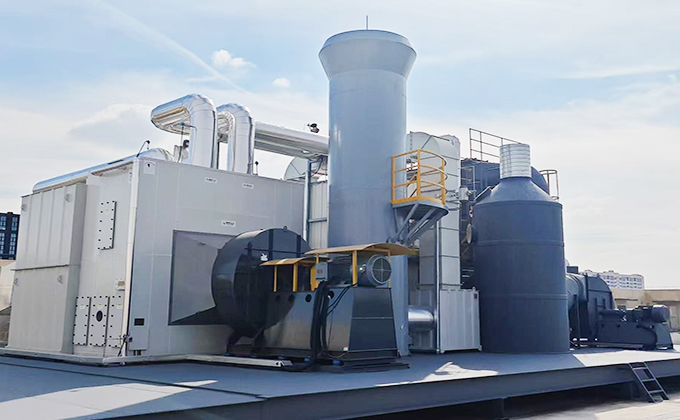
- Define the required emission limit and design airflow before selecting filtration area and air-to-cloth ratio.
- Compare conventional bags, membrane-laminated media and pleated options against dust properties, pressure-drop allowance, cleaning method and available space.
- Confirm system changes through an engineering review; a media change alone may not correct airflow, leakage or cleaning problems.
- Review differential-pressure and emission trends before changing cleaning settings.
- Inspect bags, cages, tube sheet, seals, pulse components and airflow distribution to identify the actual failure mode.
- Consider media, finish or system changes only after checking compatibility with the collector design and operating conditions.
More About FiltEdge Dust Collector Filter Bags
- Filter Media Selection Guide
- Filter Media Finishes
- After Sales Service
| MaTERIAL | PP (Polypropylene) | ACRYLIC | POLYESTER (PET) | PPS | Meta-ARAMID (Nomex) | PI (P84) | FIBERGLASS | PTFE (Teflon) | |
| Continuous Dry Operating Temperature≤ | °F | 194 | 248 | 266 | 374 | 400 | 464 | 500 | 500 |
| °C | 90 | 120 | 130 | 190 | 204 | 240 | 260 | 260 | |
| Short-term Peak Temperature≤ | °F | 225 | 284 | 302 | 428 | 464 | 500 | 572 | 554 |
| °C | 107 | 140 | 150 | 220 | 240 | 260 | 300 | 290 | |
| Abrasion Resistant | Excellent | Good | Excellent | Good | Excellent | Medium | Medium | Good | |
| Hydrolysis Resistant | Excellent | Excellent | Poor | Good | Good | Good | Excellent | Excellent | |
| Alkali Resistance | Excellent | Medium | Medium | Good | Good | Medium | Poor | Excellent | |
| Acid Resistance | Excellent | Good | Medium | Good | Medium | Good | Good | Excellent | |
| Oxidation Resistance | Excellent | Excellent | Excellent | Poor | Excellent | Excellent | Excellent | Excellent
| |
| Best–For Scenario | High moist, acid/alkali gas, normal temperature | Moist, middle temperature, weak acid/neutral gas environments | General industrial dust, cost-effective | High-temp, low-oxygen flue gas | High-temp, high-abrasion dust | High temperature, low alkali, high oxygen | Ultra-high temperature (non-alkali) (Non-HF) | Highly corrosive | |
!Critical Notes:
- PPS can oxidize and become brittle above 150°C with oxygen levels >10%.
- Fiberglass will dissolve in contact with hydrofluoric acid (HF).
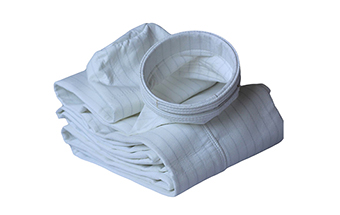
- If operating in flammable or explosive conditions, please use anti-static filter media.
Tips:
- The ultimate service life is determined by a combination of factors, including temperature, moisture, chemical exposure, dust abrasiveness, dust loading, and the air-to-fabric ratio
Specialized finishes can target specific challenges and extend dust collector filter bag life.
Basic Heat & Surface Finish
- Singeing
By using flame combustion to reduce the surface fibers of the filter media, a better dust removal effect is achieved.
- Glazing
The rapid rolling and surface heat-melting of the filter media by high-temperature hot-pressing rollers creates a smooth and dense surface, similar to a mirror effect, which reduces dust penetration & initial pressure drop and improves filter bag dust removal efficiency.
- Calendaring
The filter media is mechanically compressed by hot pressure rollers, resulting in filter bag tighter fiber arrangement and smoother surface. This process can be used with both non-meltable and thermoplastic fibers without causing filter media surface melting.
- Heat Set
Under specific temperature and tension conditions, internal stresses within the fibers are released, thereby maintaining the shape and dimensional stability of the filter media.
Enhanced Chemical & Environmental Finish
- Acid and Alkali Resistant finish
A protective layer is formed on the surface or inside the filter media through coating or impregnation, thereby improving or enhancing the acid and alkali resistance of the filter bag.
- Water and Oil Repellent finish
Generally, filter medias are treated by impregnation; coating treatment is uncommon. This prevents condensation and oil adhesion, and improves dust removal.
Specialized Finish
- ePTFE Membrane Laminated
An ePTFE membrane is laminated onto the surface of the filter media to improve filtration efficiency, while also enhancing water and oil repellency, chemical resistance, and dust release performance of filter bag.
- PTFE-based impregnation
The filter media is impregnated with a PTFE-based emulsion, enhancing chemical stability and imparting basic water-repellent properties.
- PTFE surface coating
This significantly improves the water and oil repellency of the filter media and enhances dust release performance, thereby improving overall cleaning efficiency.
- Graphite Treatment
Graphite treatment is commonly applied to woven fiberglass filter fabrics to enhance electrical conductivity, lubricating properties and improve filter bag durability under high-temperature operating conditions.
Support is arranged according to the confirmed project scope.
- Review of filter media, dimensions and construction
- Available documentation and test records for the selected specification
- Installation and maintenance guidance when included in the order
- Troubleshooting review based on supplied operating data
- Replacement and spare-part coordination for confirmed models
Related Products
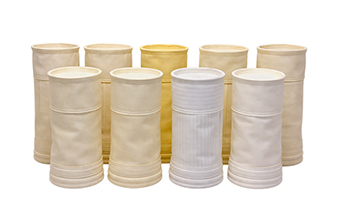
Anti Flash-over/Prevention of Adhesion by Ultra-light, Ultra-fine and Sticky Dust
Project Review and Commissioning Checklist
Installation, pre-coating, leak testing, cleaning settings and operating limits depend on the collector design, process hazards, filter media and approved site procedures. Before replacement, confirm lockout and safety requirements, bag and cage fit, tube-sheet condition, gasket or snap-band engagement and the manufacturer’s installation instructions.
At commissioning, record baseline airflow, differential pressure, temperature and emissions. Pre-coating or fluorescent leak testing should be used only when specified by the collector supplier or project procedure. Cleaning pressure, cycle and alarm limits must follow the approved design rather than generic fixed values.
For a project review, provide drawings, current bag construction, operating data, dust and gas information, failure photos and the required emission limit.
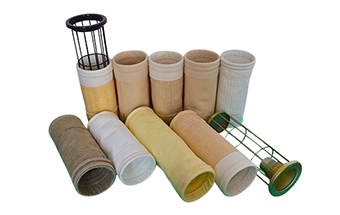
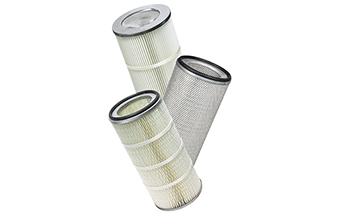
Pleated filter bags are classified based on the shape and structure of filter bag, which are special forms of dust collector filter bags, increasing the filtration area to achieve a smaller footprint in the case of limited space. However, their implementation typically requires appropriate modifications to a standard baghouse dust collector. Dust collector filter bag is a long cylindrical shape primarily, but also can be a flat bag, pleated filter bag and other special forms.
Learn more about Pleated Filter Bag.
Heavy Industry and Metallurgy
This is the most intensive application of dust filter bags, and the working conditions usually involve high temperature and high dust concentration/load.
Steel Industry: Ranging from iron-making plants, steel mills, and ferroalloy plants to foundries and refractory plants, these solutions are extensively utilized across various stages—including sintering machines, blast furnace tapholes, secondary fume treatment for converters, and dust removal for electric arc furnaces.
Non-ferrous Metal Smelting: Purification of flue gases generated during the smelting processes at facilities such as aluminum plants and carbon black factories.
Industrial Silicon Production: Dust removal for flue gases from submerged arc furnaces, as well as the recovery of micro-silica powder.
Building Materials and Cement
Cement industry is one of the “main battlefield” for dust filter bags, and there are almost all dust emission points in the whole production process.
High Temperature Section: cement kiln end, kiln head, cooler, dryer and so on;
Normal Temperature Section: raw mill, cement mill, the top of the reservoir bottom and other local dust points;
Mining and Aggregate Processing: mining dust particles are coarse, highly concentrated and abrasive, dust filter bags play a role in source control here;
Crushing and Screening: mining crusher, vibrating screening equipment;
Grinding and Drying: ball mills, dryers, etc., need to be adapted to high temperature filter media to solve the problem of hot flue gas condensation.
Power & Energy
Coal Fired Power Plants: boiler flue gas dust collection, advancing towards ultra-low emission requirements;
New Energy Industry: lithium batteries, photovoltaic materials production process will produce a large number of ultra-fine dust (PM0.1), the filtration precision requirements are extremely high.
Chemical and Hazardous Waste Treatment
Chemical Plants: purification treatment of various chemical dusts and process exhaust gases;
Waste Incineration: flue gas contains corrosive gases and toxic substances, acid and alkali resistant, high temperature resistant filter bags are required;
Asphalt Mixing Plant: asphalt fume treatment.
Light Industry and Food Processing
Grain Processing: dust collection from grain conveying, cleaning and grinding;
Woodworking Shop: wood dust from sawing and sanding;
Tobacco & Electronics: dust control and material recovery during production;
Pharmaceutical Production: crushing, sieving, tableting, granulation, Chinese medicine drying tower dust treatment.
The service life of dust collector filter bags depends on media selection, configuration, operating conditions and maintenance. The stated general polyester service-life range of 1 to 3 years is application-dependent, not a warranty. FiltEdge can coordinate selection and customization with manufacturing support from SFFILTECH in China. Review the actual operating conditions before specifying a bag; service life and performance are not guaranteed.
Are your filter bags performing as intended? Do they comply with emission standards? Have they achieved their expected service life? Understanding common failure modes and their root causes can help you select, operate, and maintain filter bags more effectively—reducing unplanned downtime and overall replacement costs.
Filter Bag Mechanical Wear and Tear
This type of filter bag damage can occur at various locations and is caused by multiple factors, including uneven dust collector airflow distribution, abrasive dust, improper bag cage fit or surface burrs, excessive pulse-jet cleaning, and installation-related issues.
Filter Bag Shrinkage
Filter bags may shrink in both the warp and weft directions due to excessively high flue gas temperatures, whether from short-term or continuous operation, as well as improper filter media selection or substandard media quality.
Filter Bag Burning (Holes)
Localized charring, carbonization, perforation, or even burning on the surface of the filter bag is typically caused by excessively high temperatures or hot sparks.
Filter Bag Blinding
The surface of the filter bag exhibits excessive dust cake buildup with a paste-like consistency. Possible causes include flue gas temperatures that are too low (below the dew point), high humidity, sticky dust, and the presence of oil mist.
Filter Bag Chemical Corrosion
This refers primarily to the effects of acids, alkalis, oxidation, and hydrolysis, which cause the filter media to become brittle, lose mechanical strength, and exhibit abnormal discoloration. Such degradation is typically the result of selecting an unsuitable filter bag option for the operating conditions.
Filter Bag Warp (Longitudinal) Tearing
This type of failure typically occurs when filter bags become clogged or hardened, shrink, or suffer a significant loss of mechanical strength, and subsequently tear under normal or excessively high pulse-jet cleaning pressure.
Filter Bag Spring Snap Band Corrosion
Spring Snap Band Corrosion can occur even when the filter flue gas temperature remains above the acid dew point. In such cases, filter system components must be manufactured from more corrosion-resistant steel materials. Under severe conditions, even 316 stainless steel snap bands may corrode, making the use of specialized high-alloy materials necessary.
Dust collector filter bag failures can occur in many forms and for a variety of reasons. For appropriate solutions, please contact us. FiltEdge, your professional filtration partner, is always here to support you.
Theoretically, the performance of washed filter bags is certainly not as good as that of new bags.
In practice, there are indeed a small number of washed filter bags continue to reuse, but it must follow the following basic principles to ensure that the washed filter bags can maintain a certain degree of effectiveness.
Situations where washing and reuse may be considered:
Material: synthetic fibers usually have better chemical stability and mechanical strength, more resistant to washing, glass fiber is less suitable;
Damage: preferably no breakage, or minor breakage can be repaired;
Contamination: contamination can be removed, non-oily, non-sticky and non-toxic;
Aging: no significant aging, such as brittle, hard, fiber breakage, significant loss of strength;
Dust: non-hydraulic, not be blinding & clogging or chemical reaction upon contact with water.
Non Laminated: laminated filter media is easily broken by water washing;
Environment: The wastewater generated during washing can be treated, not polluting the environment;
Emission: water washing will appropriately change the structure of the filter media leading to changes in filtration accuracy and dimension, emission level can still meet the regulatory compliance limits;
Cost: the cost of washing is much lower than the cost of new filter bags, more reasonable solution for high-value filter bags
The above conditions do not necessarily mean that washing is suitable, but only as a reference factor, depending on the actual situation.
FiltEdge strongly recommends the use of new filter bags, as there are many risks associated with washing and reusing dust collector filter bags.
Dimensions, media, finishes, seams, top and bottom construction and accessories can be reviewed against the collector drawing or a confirmed sample. Final availability, tolerances, documentation and commercial terms are confirmed in the quotation.