

What Is a PP Dust Filter Bag?
PP dust filter bags use polypropylene fiber in needle-felt or woven constructions for selected industrial dust collection applications. Material suitability must be reviewed against continuous and peak temperature, chemical composition, oxygen and oxidizing agents, moisture, dust behavior and the cleaning system. Polypropylene has application limits, especially where temperature or oxidizing exposure is elevated. Share operating data, dimensions or an existing sample so FiltEdge can coordinate a replacement review for the U.S. project.
FiltEdge Typical PP Dust Filter Bags by Different Finishes
In the field of industrial dust removal, PP fibers are processed into filtration media in the form of needle felts in the vast majority of cases, with a very small amount of woven fabrics. FiltEdge offers a wide range of PP filter bags to meet the challenges of your complex environments, depending on the media treatment process. The list is only a selection, and custom designs can be developed to meet specific needs.
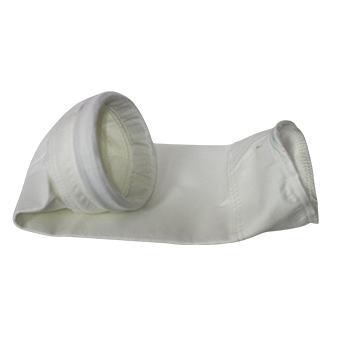
Particle size is large, dry and non-adhesive dust, emission limit of 20-50mg/Nm3.
Wet metallurgy and electroplating workshop exhaust gas
Fertilizer plant room temperature granulation/conveying
Room temperature acidic flue gas desulfurization (Dry/Semi-dry)
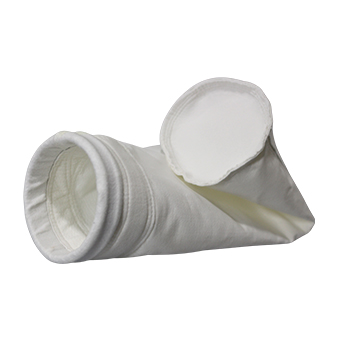
Extremely fine dust <2.5μm, sticky, easily deliquescent, or very strict emission limit <5mg/Nm3.
Low temperature sludge drying exhaust treatment
Fine chemicals (e.g. inorganic pigment, titanium dioxide, certain non-flammable pesticide preparations)
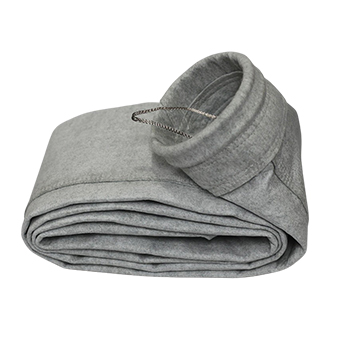
Low/normal temperature of ≤90℃ (194℉) + flammable and explosive dust + regular particle size
Coal dust conveying (low temperature section): Prevent coal dust explosion.
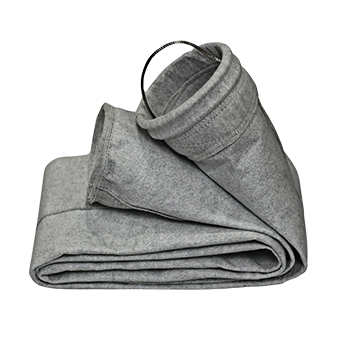
Low/normal temperatures of ≤90℃ (194℉)+ flammable and explosive + ultra-fine/sticky dusts
Fine chemicals (e.g. organic dyes, some pesticide raw materials)
Sulfur powder precision processing
FiltEdge Typical PP Dust Filter Bag Applications
FiltEdge PP dust filter bags excel in low temperature and chemical resistance, high humidity environments, and can also achieve anti-static and ultra-low emissions through different processing techniques to meet your needs in different dust collection conditions.
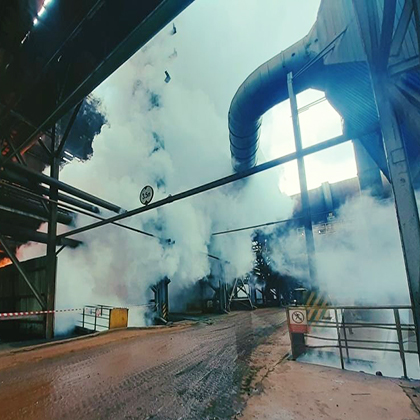 Wet Metallurgy & Electroplating Acid Mist Treatment
Standard PP needled felt dust filter bag (singeing/glazing)
Large amount of sulfuric acid mist and hydrochloric acid mist, PP has natural immunity when the temperature is above acid dew point + 15℃ and below 80℃. Due to medium dust load and moderate particle size, it usually does not need to be laminated.
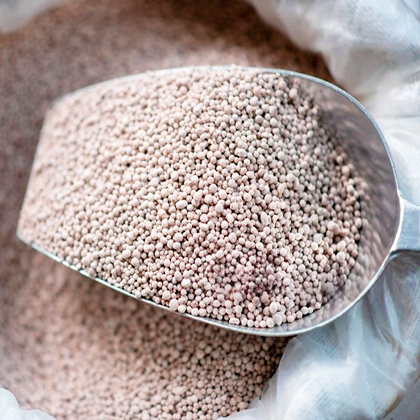 Phosphorus Chemical, Phosphate Fertilizer and Compound Fertilizer Granulation/Conveying
PP needled felt/PP needled felt membrane Filter Bag
Containing fluoride and phosphate, PP is chemically extremely stable, with zero moisture regain, no hydrolysis in humid environments, and not clogging.
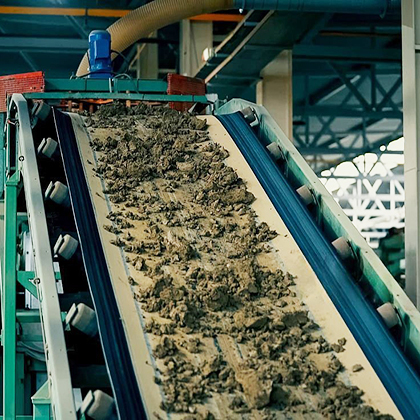 Integrated Low-Temperature Sludge Drying
PP needled felt membrane filter bag
Sludge drying produces an exhaust gas that is nearly saturated with moisture (high humidity).
A PP membrane filter bag is necessary. The dust is extremely sticky, the moisture will carry the dust into the filter media and cause permanent blockages if it is not laminated.
 Fine Chemicals (Dyes/Pigments/Pesticides)
PP blended with conductive fiber filter bag (or with membrane)
Involving sulfur powder, organic pigments and other flammable, explosive and ultra fine dust.
Not only solve the “sticky” problem (by the membrane), but also the “explosion” problem (by conductive fiber).
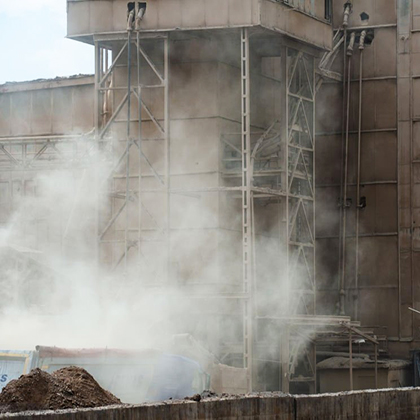 Semi-Dry Desulfurization Downstream Low Temperature Dust CollectionWater and oil repellent treatment or membrane PP filter bagThe temperature drops to near the dew point when the flue gas passes through the desulfurization tower.It is easy to condensation under his condition, PP is strong resistance to hydrolysis, and resistance to alkaline lime dust.
Key Features of FiltEdge PP Dust Filter Bags
The molecular structure of PP fiber shows isotropic non-polar structure, which gives it many excellent characteristics, but also brings limitations. FiltEdge weakens its shortcomings and magnifies its advantages through reasonable processing, which brings different performance of PP filter bags and ensures that you take into account the (ultra-) low emission, long-term stable operation and the lowest total life cycle cost.

The molecular chain is extremely stable under high humidity or saturated water vapor conditions and will not hydrolyze.

Extremely chemically inert to strong acids and bases at room temperature, preferred for pH2-12 environments.

The moisture retention rate is close to zero (<0.1%) and is naturally hydrophobic, effectively preventing the dust from absorbing moisture and causing “clogging/blinding”.

The continuous operating temperature needs to be controlled below 90°C. Severe irreversible heat shrinkage will occur above 100°C.

Smooth fiber surface and good dust stripping reduces pressure requirements for pulse jet and system fan operation.

Sensitive to strong oxidizing agents (e.g. rich oxygen, ozone, high concentration of NOx), and prone to degradation and brittleness under high temperature & high oxygen environment.

Weak resistance to sunlight/UV rays, must be stored away from light, otherwise fiber strength will decrease rapidly.

As a thermoplastic material, its used filter bags are easier to recycle than thermoset materials under certain conditions.
Does PP Dust Filter Bag Need Water and Oil Repellent Treatment?
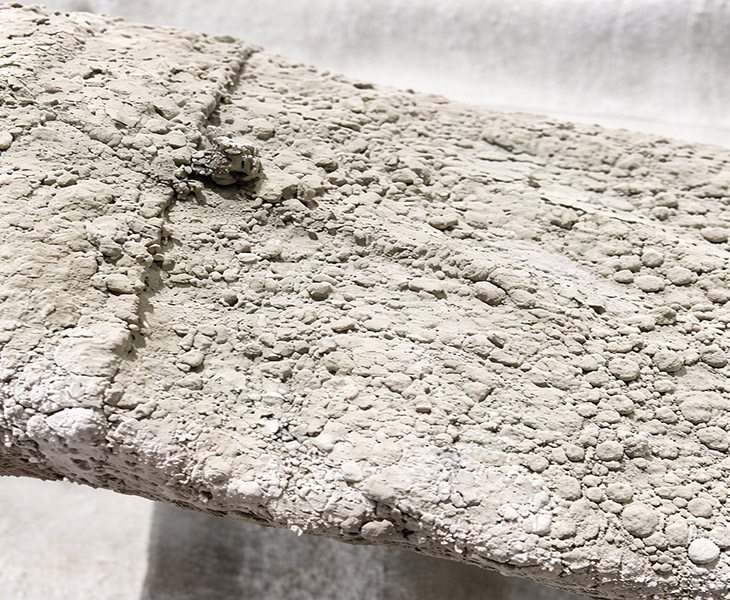
Although PP filter bags are not inherently absorbent and hydrophobic, they are not water repellent, even not oil repellent. Water vapor will form liquid water on the fiber surface, produce capillary phenomenon in the fiber gap to adsorb condensate, oil mist will also be attached, and ultimately dust adhesion and blind bag. Therefore, FiltEdge can prevent the formation of a water film, reduce the adhesion of dust, improve the efficiency of dust removal and prolong the service life of the filter bag through unique water and oil repellent treatment in high humidity gas, risk of condensation, oil mist and sticky dust environment.
Why Do You Use PP Membrane Dust Filter Bag?
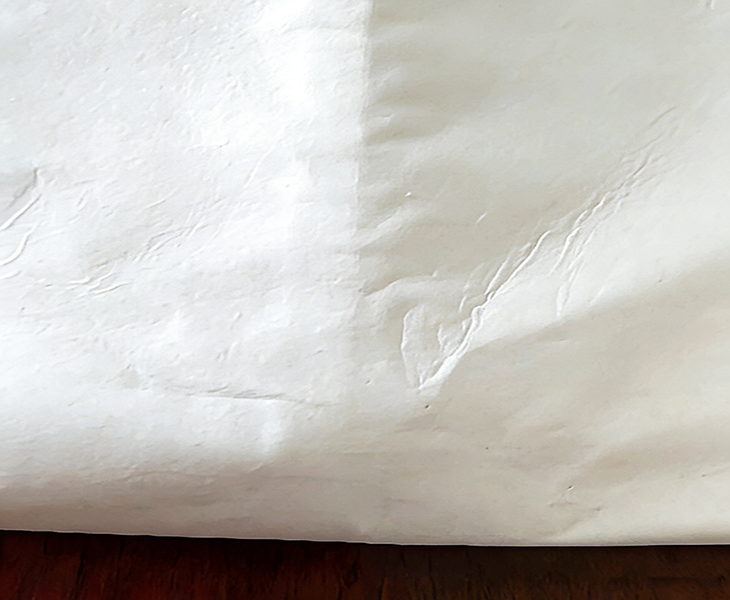
Unlike water and oil repellent treatment to reduce the surface energy , which can prevent droplets from entering the filter media, thus solving the problem of “condensation” and “oil mist”, to prevent the bag from clogging/blinding, the essence is still deep filtration, to achieve the low emission 20-50mg/Nm3; PP membrane dust filter bag is a surface filtration mechanism by membrane micro porous retention/filtration of ultra-fine dust of <1 micron and extreme sticky dust, while achieving water and oil repellent, to meet the ultra-low emission of <5mg/Nm3, reduce and stabilize the operating pressure.
FiltEdge adopts bi-directional stretching ePTFE membrane to accurately control the pore size and distribution, and combines with the hot-pressing laminating process to ensure that your PP membrane dust filter bag can withstand long term impact of ultra-fine and extreme sticky dust.
Why Choose FiltEdge for PP Dust Filter Bags?
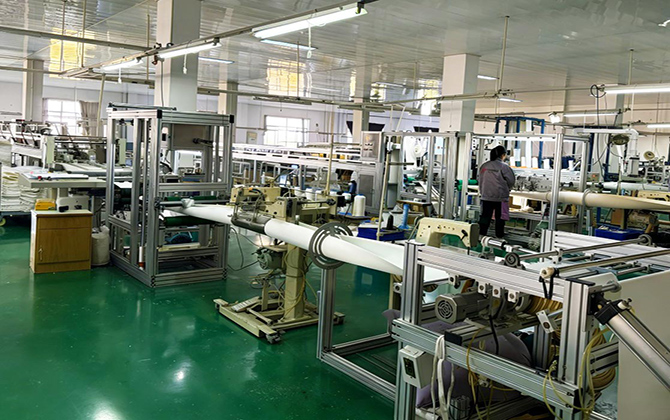
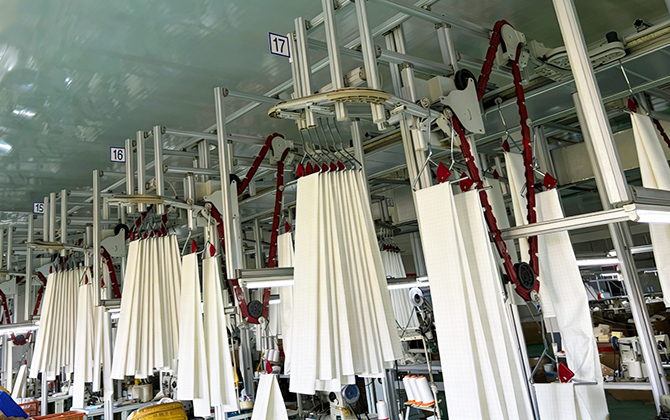
FiltEdge LLC is a U.S. company established in 2025, supported by SFFILTECH in China, established in 2006. Manufacturing support is provided through SFFILTECH in China. Confirm product specifications, available quality documents, pricing and delivery in the quotation. Certificates must be checked for the relevant entity, facility and product. Support is arranged during business hours; any on-site service or warranty terms require separate agreement.
PP Dust Filter Bags vs Polyester Dust Filter Bags vs Acrylic Dust Filter Bags
These three kinds of filter bags are the main force in medium/normal temperature conditions, offer alternative and complementary functions, FiltEdge assists you to make a optimal selection in different working conditions. Polyester is a versatile filter media in dry environments, covering the temperature range of PP, comparable to acrylic, but PP bags perform better in high humidity and corrosive environments. At low temperatures <100°C there is a competitive relationship between PP and polyester filter bags. When the temperature is more than 90°C, and at the same time there is high humidity or strong corrosive environment, acrylic filter bag can play a better role.
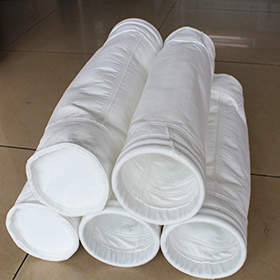
Suitable for use below 90°C
Excellent hydrolysis resistance, suitable for high humidity
Excellent acid and alkali resistance
Poor oxidation resistance
Medium mechanical strength, excellent abrasion resistance
Slightly higher cost, but more cost-effective in acidic, alkaline or high humidity environments
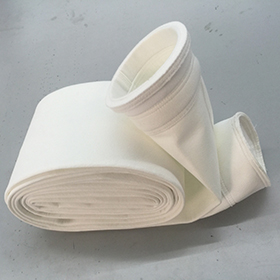
Suitable for use below 130°C
Poor hydrolysis resistance, not suitable for high humidity
Excellent acid resistance, poor alkali resistance
Excellent oxidation resistance
Very high mechanical strength, excellent abrasion resistance
Preferred choice for general applications, moderate cost
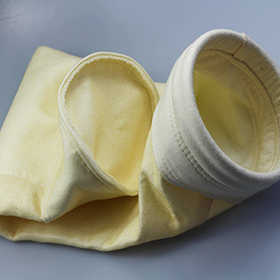
Suitable for use below 130°C
Excellent hydrolysis resistance, suitable for high humidity
Excellent resistance to acids and alkalis
Excellent resistance to oxidation
Average mechanical strength, average abrasion resistance
Higher cost, alternative to polyester in acid and alkali conditions

Technical Specifications of PP Dust Filter Bag
- Technical Specifications of PP Dust Filter Bag
| ITEM | Description/Indicators | Remark |
| Material | Polypropylene (PP) | |
| Fabric Structure | Needle-Punched Felt | |
| Weight | 450-550 g/m2 | |
| Thickness | 1.8-2.5 mm | |
| Air Permeability | 10-15 m3/m2/min | |
| Tensile Strength/Warp | 800-1300 N/5cm | |
| Tensile Strength/Weft | 1000-1550 N/5cm | |
| Tensile Elongation/Warp | 15%-30% | |
| Tensile Elongation/Weft | 30%-50% | |
| Filtration Efficiency | ≥99% | Depends on operating conditions and finishes |
| Continuous Operating Temperature | ≤90℃ / 194℉ | |
| Instantaneous Temperature | ≤100℃ / 212℉ | Depends on operating conditions |
| Melting Point | 160-170℃ / 320-338℉ | |
| Acid-resistant | Excellent | |
| Alkali-resistant | Excellent | |
| Hydrolysis Resistance | Good | |
| Antioxidant Properties | Poor | Rich Oxygen, ozone, NOx, chromic acid, etc. |
| Abrasion Resistance | Excellent | |
| Moisture Retention | Extremely low <0.1% | |
| Finishes | Singeing/Glazing/ePTFE Membrane/W & O Repellent/Anti Static | |
| Recommended Operation Conditions | -Low temperature (<90°C) -High humidity/condensation prone environment -Acid and alkali corrosive gas/vapor/mist/dust |
P.S.: The typical specifications and recommendations listed above are provided for reference purposes only. Specific requirements should be determined based on actual operating conditions and can be customized as needed.
Why Does PP Dust Filter Bag Fail?
The failure of PP dust filter bags is a combination of physical wear and chemical degradation for the following reasons:
- Heat Shrinkage and Deformation
It is very easy to shrink over the temperature, the filter bag “strangles” the bag cage, it is difficult to clean the dust, and the system resistance rises.
FiltEdge Countermeasure: Never exceed 90℃. - Gas Oxidization Degradation
PP side chain is very easy to be attacked by rich oxygen, ozone or NOx, leading to aging and loss of mechanical strength.
FiltEdge countermeasures: limit oxygen content below 10% at 90℃, and below 15% at 50℃. - Oil Contamination
PP is oleophilic leading to bag clogging/dust agglomeration.
FiltEdge Countermeasure: Water and oil repellent treatment or membrane lamination in oil mist environment. - Spring Expansion Ring Fatigue
Corrosion and deformation of the carbon steel expansion ring caused by the improper use in an acidic environment, resulting in sealing failure between the filter bag and the cell plate holes.
FiltEdge Countermeasure: Use stainless steel or silicone sprayed expansion ring. - UV Aging
Sunlight or ultraviolet radiation will cause molecular chain breakage and aging.
FiltEdge Countermeasure: Packaging and storage away from light, avoiding exposure to sunlight. - Chemical Oxidizing Attack
Strong oxidizing agents such as potassium permanganate and sodium hypochlorite residue used in the process will oxidize PP quickly.
FiltEdge Countermeasure: Avoid strong oxidizing agent environment, or upgraded with acrylic, PTFE.
Proper production, storage, transportation and use form an interconnected chain—each link indispensable. FiltEdge full process supervision and technical support, to avoid the failure of your filter bag.
PP glass transition temperature (Tg) of -10 to 0℃. PP fiber began to transit from the high elastic state to the glassy state, began to embrittle, lose flexibility, the fiber surface is prone to produce microscopic fatigue cracks if external force is applied at this time, if the temperature continues to fall to minus 10 ℃ and below, the fiber undergoes micro-cracks or even fracture. FiltEdge suggests that it is best to use and store PP bags above 5℃. When the temperature is too low, it should be warmed up before applying external force such as pulse jet, otherwise the filter bag will be easily damaged. Special attention should be paid to physical damage protection during new installations or downtime for maintenance in winter.
PP is a typical hydrocarbon long chain without rigid benzene ring structure as polyester, the molecular chain is very soft, easy to deformation. In the short term, when heated, the molecules get energy to spontaneously retract to the disordered and curled state, the filter bag longitudinal and transverse shrinkage occurs, thus strangling the support cage, dust removal ability to decline or completely failed, and may even be loosening the snap ring and filter bag detaching and falling; in the long term, under the combined influence of the negative pressure of the fan and the impact of gravity, the molecular chain is easy to displace and orientation, resulting in its elongation at break is much higher than that of polyester (usually 10-20%), the body of the bag to elongate, the bag bottom to sustain damage through friction against the dust collector housing; at the same time, the change of physical dimensions will squeeze the pores between the fibers, resulting in a sharp drop in air permeability, the system operating differential pressure soars, and the fan power consumption increases dramatically.
FiltEdge prevents shrinkage and locks in dimensions by releasing internal stresses in advance through a forced pre-shrinking heat-setting process at 10-20 ℃ above operating temperature (typically set at 130-140 ℃), and by choosing a high-strength filament polypropylene scrim instead of a cheaper staple fiber scrim to ensure higher overall strength and less elongation.
PP exhibits high elastic state at room temperature, molecular chain is easy to move, soft, pressure is easily transferred to the depth of filter media, the fibers are pressed more closely; PP melting point Tm (165 ℃), heated to 130-150 ℃ into the “semi-molten” high mobility state. Compared with polyester filter bag, the fiber is heated very evenly when singeing and glazing, the surface can form extremely continuous, flat and smooth mirror layer, partially filling the micro porous between the fibers, the air permeability is lowered, and the dust is removed more thoroughly, which leads to the lower operating pressure difference, and the energy consumption is lower in achieving the higher filtration efficiency.
Most of the PP filter dust bag applications involve acid and alkali corrosive conditions, and acid and alkali resistance is its primary advantage. In order to play the ideal synergistic effect for the overall dust removal system, the selection of the filter cage is also crucial, FiltEdge firmly believe that silicone spray or stainless steel support cage is your optimal choice, ordinary carbon steel or galvanized bag cage is likely to be corrosion, which will bring you endless trouble.
PP is a typical non-polar polymer, itself is not conductive. Moisture regain rate is extremely low, electric charge is difficult to dissipate exceptionally. PP’s low glass transition temperature (Tg) means that the molecular chain is active at room temperature, the collision frequency of dust and fiber is very high, resulting in extremely high electrostatic voltage, and it is easy to generate an electric spark triggering an explosion or dust adhesion.
FiltEdge uses striped pattern or blended conductive fibers to achieve different levels of anti-static function of PP dust filter bags depending on your actual conditions, to prevent flash explosions and bag clogging/blinding, and to extend the service life of the filter bag.
PP dust filter bags offer cost-effective chemical resistance; however, certain drawbacks limit their performance in many operating conditions.
Thermal Instability
Continuous operating temperature ≤90°C (194°F)
Oxidizing Vulnerability
Not resistant to oxygen enrichment (O2<10%@90°C recommended), ozone, NOx
Unsuitable for Humid and Hot Environment
High humidity + high temperature will accelerate degradation and aging, shorten the service life
Poor Creep Resistance
Easy to shrink and deform under heat
Easy to elongate and deform under external force (gravity, high air-to-cloth ratio and strong pulse jet)
Oleophilic Nature
PP is hydrophobic but not water & oil repellent, on the contrary, oleophilic, oil mist and sticky dust will cause bag clogging /blinding, making dust removal difficult.
Low Temperature Brittleness
PP is brittle at low temperatures, easy to crack or break during “cold start”
Poor Static Dissipation
Non-polar structure, the body is not conductive
Dust friction is very easy to generate static electricity
Very low moisture retention rate, static electricity is not easy to dissipate.
Although PP dust filter bag has many limitations and is not a universal low temperature filtration choice, it performs well under ≤90°C (194°F), non-oxidizing, strong acid and alkali specific environments, and FiltEdge fully compensates for its limitations by laminating the membrane, water & oil repellent treatments, and anti-static processes to take advantage of its strengths.