
FiltEdge's Core Benefits in Your Cement Kiln Filtration
- Application oriented systematic matching
- Differentiated media solutions for kiln heads and kiln tails.
- Designed for high temperatures, corrosive and complex conditions
- Optimized DP performance and reduced energy consumption.
- Improved emission stability and system reliability.
- Extended filter bag service life
- Available for PTFE membrane and series proprietary finishes
- Customizable in terms of material, construction, type, configuration and dimension
- Free engineering and technical support
What is Cement Kiln Dust Collection System?
In the cement production process, the kiln system is one of the most concentrated and complex areas for dust generation. High-temperature reaction, gas flow and material transformation make your baghouse dust collection system continuous, high-load operation over extended periods
The system is divided into two key areas:
- Kiln End/Kiln Inlet Side(Preheater + Calciner)
Processes high temperature dusty gases from the preheater and the Calciner
- Kiln Head/Kiln Outlet Side(Clinker Cooler System)
Handling of highly abrasive dust generated during clinker cooling process
These two areas have significant differences in temperature levels, dust characteristics and gas composition, requiring your differentiated filtration solutions.
Typical Cement Kiln Filter Bag Solutions Recommended by FiltEdge
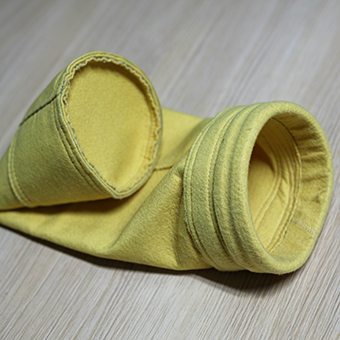
Polyimide(PI) filter bags, the typical choice for high performance filtration in kiln tails, combining high temperature resistance with excellent fine dust capture.
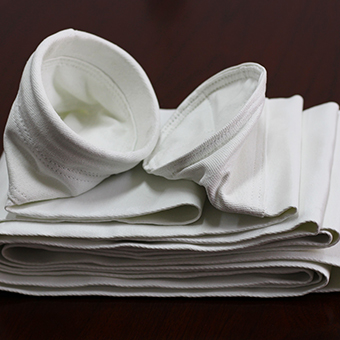
Fiberglass filter bags (especially woven fiberglass cloth with membrane) are the most classic high temperature solution for the global cement industry, mainly for kiln end applications, but also for some special conditions.
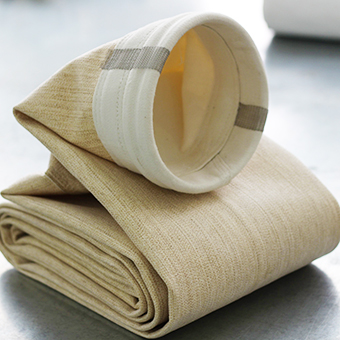
Aramid (Nomex®) filter bags are one of the most common materials used in kiln head clinker cooling systems, combining heat resistance and mechanical strength.
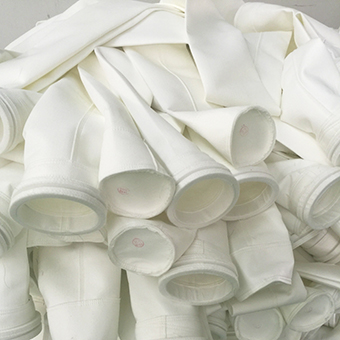
The modern, highly efficient Grate Cooler system for kiln heads with highly efficient heat exchangers and stable flue gas temperatures of up to 130°C is the most economically efficient conventional option.
Typical Challenges in Cement Kiln Dust Collection
The operating conditions of cement kiln systems are complex and fluctuate significantly. High temperatures, corrosive gases, sticky dust and mechanical abrasion often work together to place high demands on the performance of your filter bags.


The Value Realized Through the Application of the FiltEdge Solution
Through targeted material selection and structural design, you can not only solve immediate operational problems, but also achieve more stable and economical long-term operational results.


Kiln Inlet/Kiln End Filtration Operating Conditions
The kiln end (Preheater + Calciner System) is often one of the most complex filtration areas in your cement kiln. The temperature is high and fluctuates significantly, the flue gas may contain SOx, NOx, moisture and other corrosive components, and the dust is fine and highly sticky.
Operating Conditions:
- High temperatures with frequent fluctuations
- Fine, highly sticky dust
- Complex chemical composition
- Prone to condensation and bag blinding
Recommended Filtration Focus:
- Emphasize chemical resistance
- High temperature stability
- Reduce the risk of dust adhesion and clogging
- Improve surface filtration efficiency
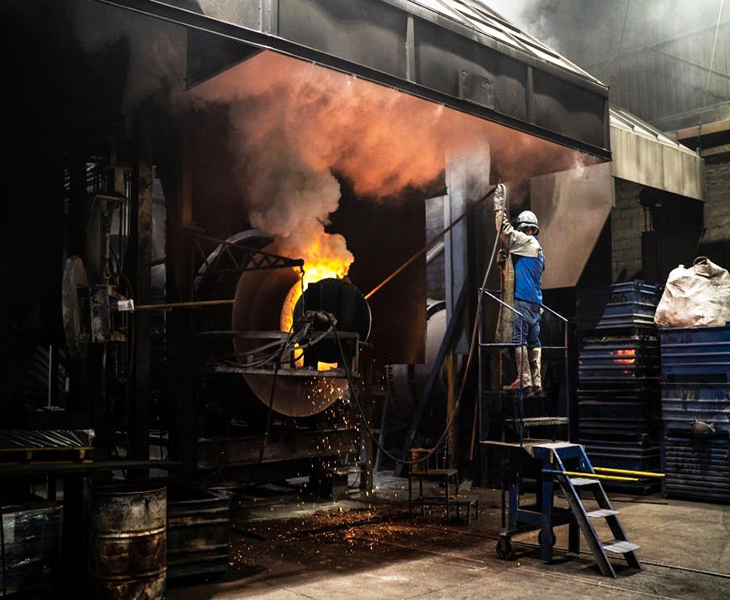
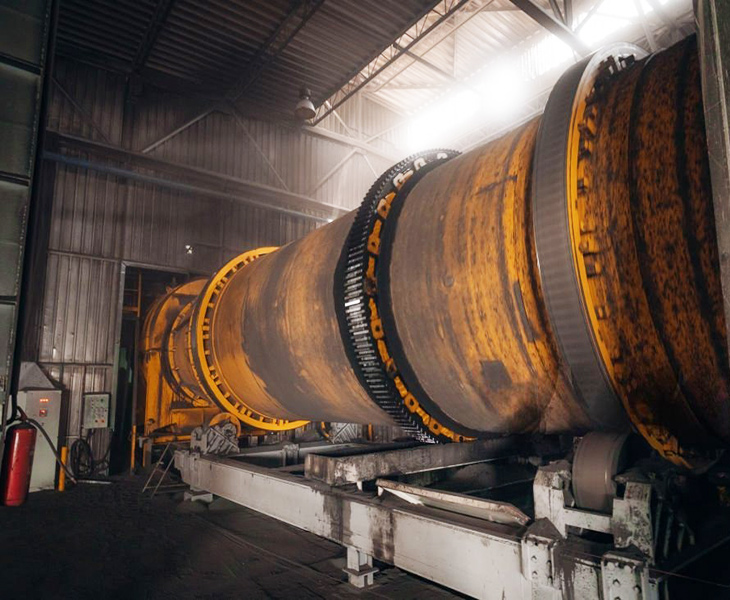
Kiln Outlet/Kiln Head Filtration Conditions
The kiln head (Clinker Cooler System) mainly handles dust generated during the clinker cooling process. This area usually has larger particles and stronger mechanical impact, the dust is significantly abrasive and requires higher mechanical strength and wear resistance of your filter media.
Operating Conditions:
- High temperature environment
- Large dust particles
- Strong abrasiveness
- Significant airflow impact
Recommended Filtration Focus:
- Improved high temperature resistance
- Enhanced abrasion resistance
- Long-term stable air permeability
FiltEdge Core Logic of Filtration Solutions Design
Efficient filtration does not depend on a single material, but rather on a combination of material, structure and operating conditions. The right solution design can improve your emissions, energy consumption and service life at the same time.
Design Principles
- Selection of different base materials or combinations for different operating conditions at the kiln head and kiln tail.
- Temperature, corrosion, abrasion and dust characteristics need to be taken into account.
- The use of PTFE membranes significantly affects your filtration efficiency and the operating differential pressure.
- Different finishes can significantly affect your filtration performance
- Filter media and bags are fundamentally different for different dust collector types.
- Filter bags need to be machined and configured to match your actual dimensions
- Filtration solutions should balance your emissions, lifetime and operating costs.
Core Principles
- Alignment of Materials + Structure + Your Operating Conditions
- Specific operating environments oriented selection and configuration
Why Choose FiltEdge?
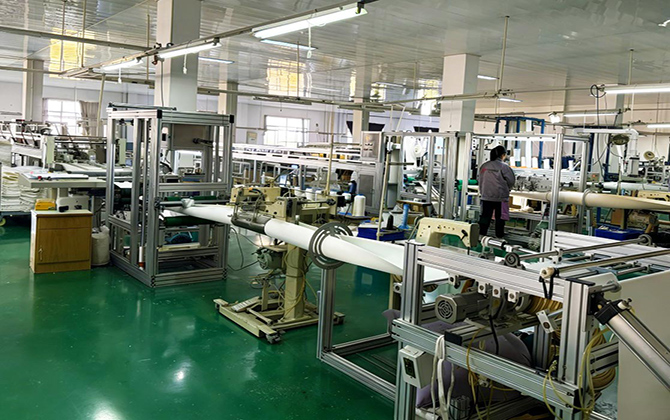
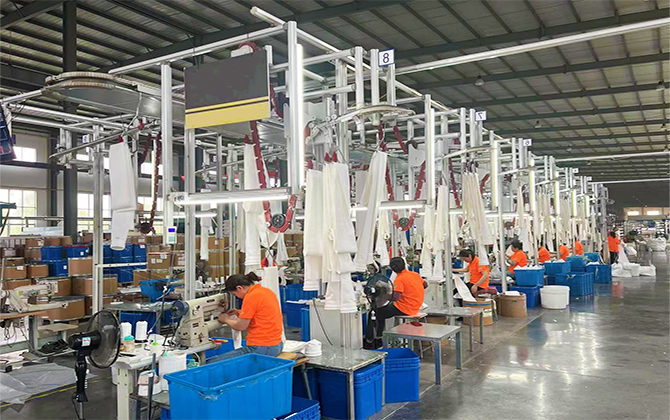
FiltEdge LLC is a U.S. company established in 2025, supported by SFFILTECH in China, established in 2006. Manufacturing support is provided through SFFILTECH in China. Confirm product specifications, available quality documents, pricing and delivery in the quotation. Certificates must be checked for the relevant entity, facility and product. Support is arranged during business hours; any on-site service or warranty terms require separate agreement.
FiltEdge Typical Related Application Industries and Fields for Dust Collection
FiltEdge’s filtration solutions are used in a wide range of harsh industrial environments. Find out how we help our customers meet the challenges of high temperature, corrosive and highly abrasive dust filtration with specialized media and bag designs in relevant application fields
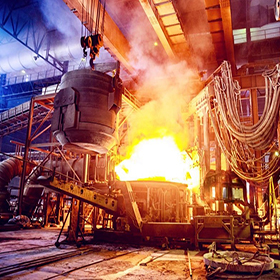
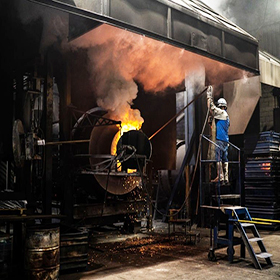
Electric Arc Furnace (EAF) Filtration
For high-temperature fume collection in electric arc furnace steelmaking operations.
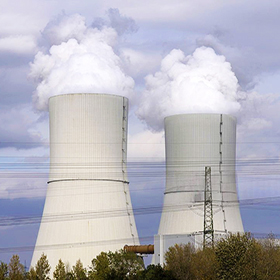
Coal-Fired Boiler Filtration
For particulate control in utility and industrial boiler systems.
Waste Incinerator Filtration
For high-temperature and corrosive flue gas filtration in waste-to-energy applications.
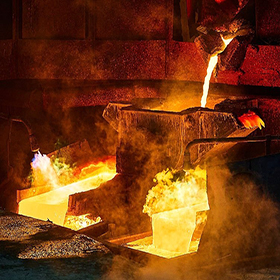
Smelter Filtration
For high-temperature and corrosive gas filtration in copper, zinc, lead, and aluminum smelting operations.
Related Products
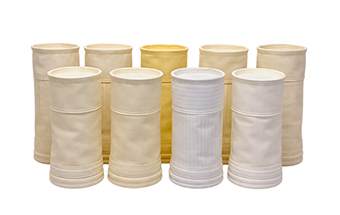
Improved efficiency and reduced pressure drop through surface filtration for stringent emission requirements
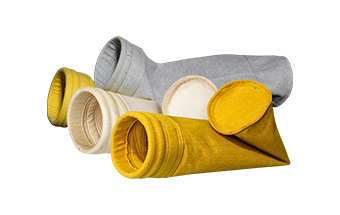
Various high temperature resistant filter bags, adapted to a variety of industries and working conditions
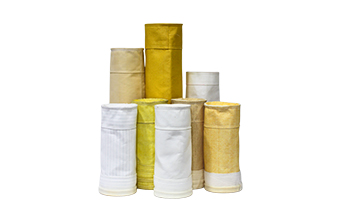
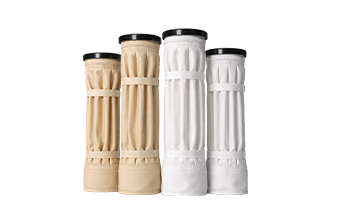
Fiberglass Woven vs Needled Felt for Cement Kiln
In high-temperature dust collection of cement kilns, fiberglass can be processed into Woven Fabric or Needled Felt, and the main difference between the two lies in the form of structure and typical applications.
Fiberglass Woven Fabric
With warp and weft interwoven structure and excellent dimensional stability, it has long been one of the most classic high-temperature filter media for cement kiln ends, usually used in combination with ePTFE membrane or coatings, with excellent dust removal performance, in order to improve filtration efficiency and reduce differential pressure drop.
Fiberglass Needled Felt
Three-dimensional needled structure, greater thickness, higher dust hold capacity, although the application rate in the cement industry is usually lower than the that of woven fiberglass fabrics, but the kiln head and kiln tail are still applied. In order to improve its performance, frequently blended with other chemical fibers such as P84, aramid, PTFE, etc. into a composite fiberglass needled felt , the surface can also be laminated with ePTFE membrane in order to achieve lower emissions.
For most high-temperature conditions at the cement kiln end, PTFE membrane laminated fiberglass woven fabrics are still the most mature and widely used classic solution, especially in stable, high-temperature continuous operation conditions; fiberglass needled felts are growing even faster, with an increasing proportion of applications in new projects and complex conditions.
Types of Cement Kilns Co-processing and the Challenges for Dust Collection
Modern cement kilns are no longer just “cement producing” equipment, but are gradually evolving into:
Cement clinker production + solid waste co-processing + alternative fuel utilization + low-carbon emission reduction in one integrated resource platform
Multiple goals can be achieved simultaneously by co-processing of municipal, industrial, and hazardous wastes as following:
- Fuel/Energy Substitution
- Raw Material Recovery
- Safe Destruction
- CO₂ Reduction
Co-processing significantly increases your complexity of flue gas and dust conditions:
- Acidic Gases and Moisture Fluctuations
Corrosion and hydrolysis with reduced filter bag strength - High Chlorine and Alkali Cycling
Ring formation, build-up, temperature and flow fluctuations - Temperature Fluctuations and Thermal Shock
Thermal aging and mechanical fatigue, shortened service life - Increased Dust Adhesion
Bag sticking/blinding and differential pressure increase, difficult to dust removal - High Abrasion and Mechanical Shock
Breakage and perforation, premature failure
Co-processing has not created a whole new set of filtration problems, but has made your original problems more complex and unpredictable.
Regardless, the importance of baghouse systems is increasing as the need for more consistent and reliable particulate control and filtration becomes more prominent. The real key lies in the in-depth understanding of the working conditions and the design of filtration solutions with more safety margins, which relies on the supplier’s rich practical experience and technical capability, with manufacturing support through SFFILTECH in China, established in 2006.
Cement kiln dust collection condition is complex with heavy flue gas and dust load, as well as significant operational fluctuations, which is the severe challenge to your service life of cement kiln dust collection filter bags. The typical reasons for failure are as follows:
- Condensation -induced acid corrosion/bag blinding
- Dust abrasion
- Temperature exceeds the limit
- Unreasonable dust cleaning parameters
- Material mismatch
- Complex challenges of co-processing
FiltEdge develops and continuously improves the corresponding technology for different failure causes, and reasonably selects the filter material according to different working conditions to improve your service life of the filter bag.
Generally, it is not recommended.
Kiln heads and kiln ends are essentially process areas with multiple equipments and dust sources. Although the dust collection system is mainly centralized into single set of equipment mainly, there are also many decentralized local dust collectors. The differences in working conditions are obvious and it is recommended that distinct filter media systems are prioritized to your each specific environment.
FiltEdge has a wide range of proven technologies and media systems available for your combination.
Membrane is often advantageous for fine dust, high emission requirements or where adhesion is a problem.
In most cases, fiberglass woven filter bags need to be PTFE membrane laminated, otherwise it is difficult to meet your high emission requirements.
In some cases, coating is sometimes an alternative.