
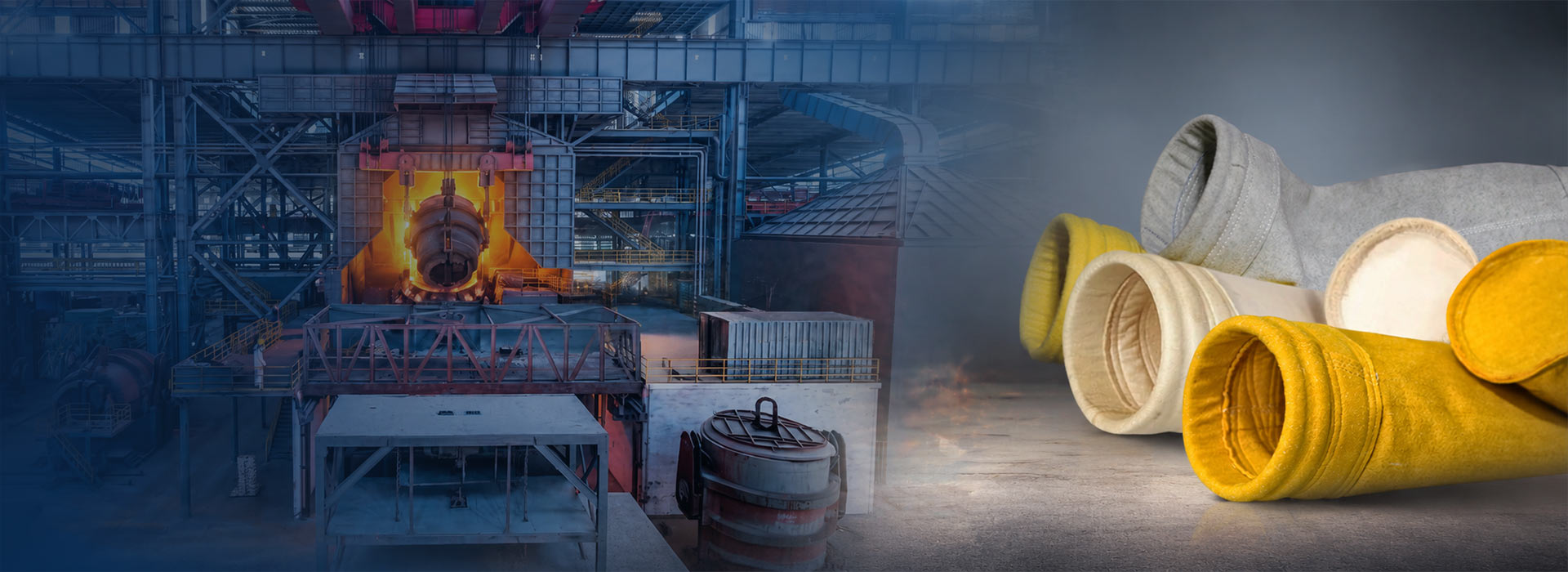
Core Advantages of FiltEdge EAF Filtration Solutions
Combined the membrane structure, high-temperature filter media and condition matching design, FiltEdge is tailored to the different conditions of EAF steel-making, helping steel mills cope with ultra-fine metal oxide fumes, temperature fluctuations and long-term operational challenges more stably.
- Stable Filtration for Fine Metal Oxide Fumes
- Adapted to Fluctuating EAF Temperatures
- Support for Primary & Secondary Emissions
- Improved Dust Cleaning in Fine Dust Conditions
- Flexible Media for Different Process Stages
- Support for Modern Steel Plants Low-Emission Upgrades
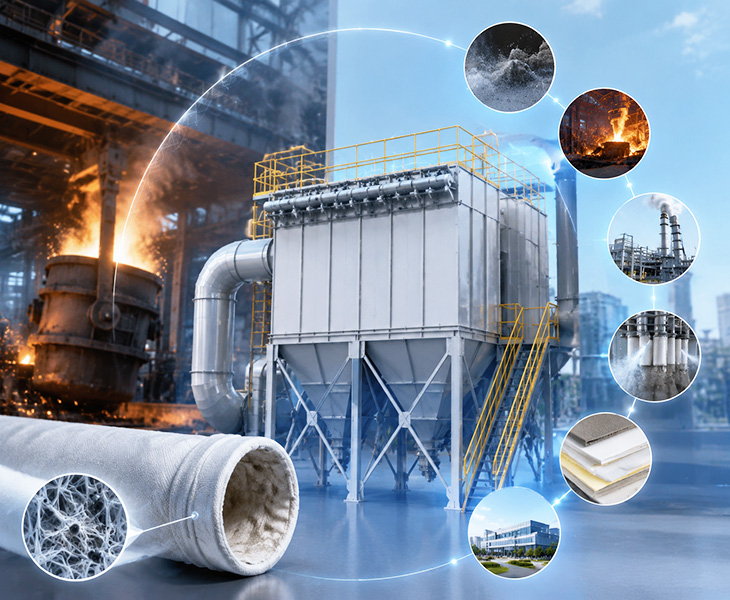
What Is EAF Dust Collection Filtration?
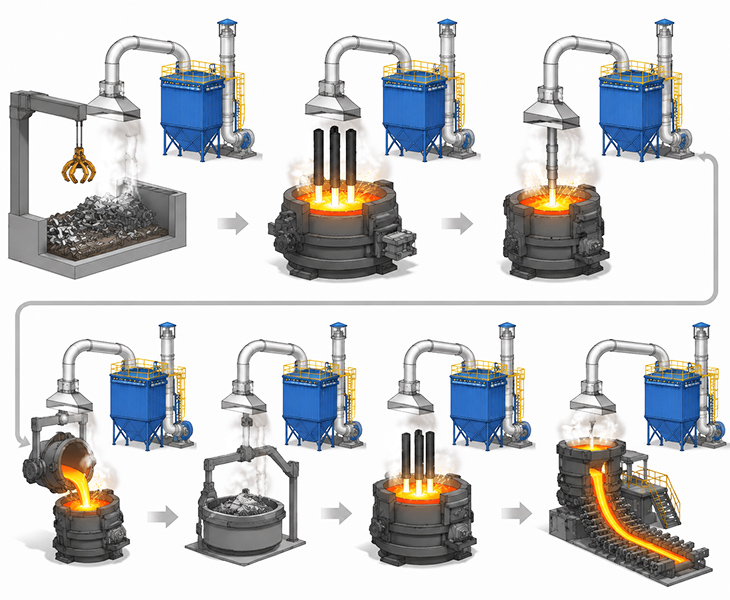
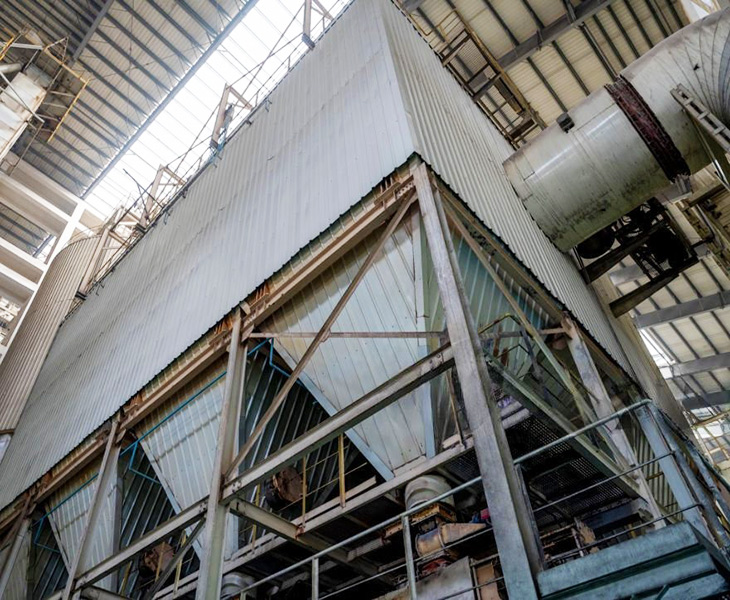
The EAF (Electric Arc Furnace) Dust Collection System is the core environmental protection system used in the iron and steel industry to control the emission of high temperature flue gases and dust from the steel making process in electric arc furnaces. Typical systems include primary furnace gas extraction (4th Hole), secondary fugitive flue gas capture, flue gas cooling, spark control and baghouse. The core objectives are to achieve stable low emissions, protect equipment operation and improve overall production safety. Baghouse dust collectors are based on centralized dust collection primarily, but there is also decentralized localized dust collection.
FiltEdge EAF Process-Based Filtration Applications Recommendations
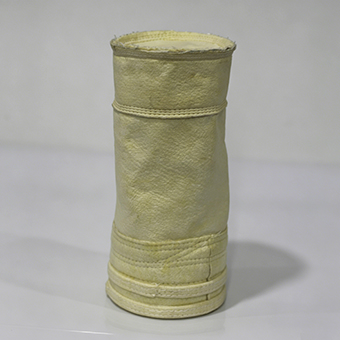
Characteristics: High-temperature/CO/metal oxide fumes.
Recommended:
Aramid + PTFE Membrane Filter Bags
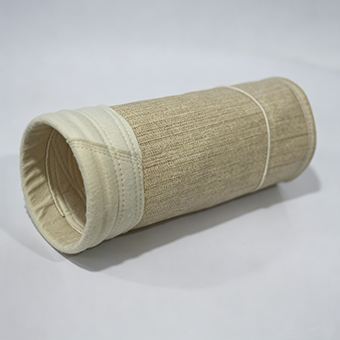
Characteristics: High airflow / Low concentration.
Recommended:
Aramid Needle Felt Filter Bags
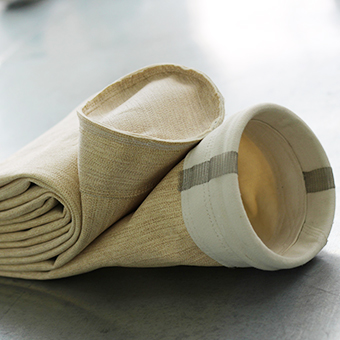
Characteristics: Mixed coarse and fine dust / Thermal shock / Sparks
Recommended:
Anti-static Aramid Needled Felt Filter Bags
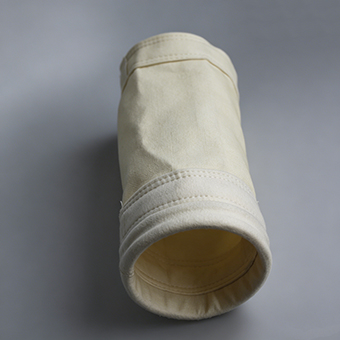
Characteristics: Alloy dust/CO/Refining fumes
Recommended:
Aramid + PTFE Membrane Filter Bags
FiltEdge Filter Media Solutions for Different EAF Gas Conditions
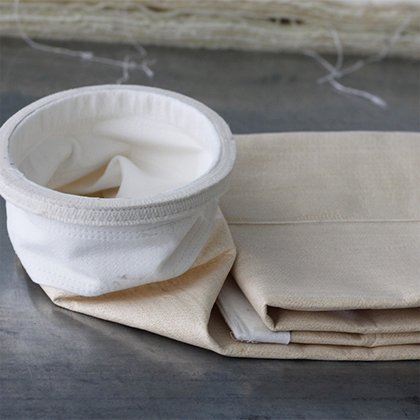
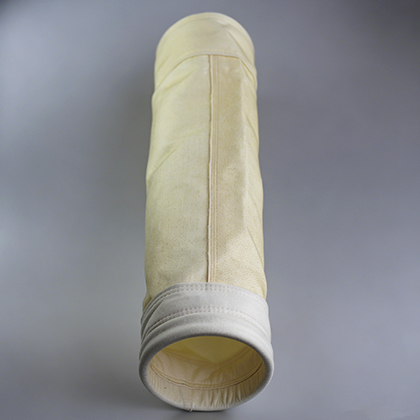 High-Temperature Primary Off-Gas
Recommended:
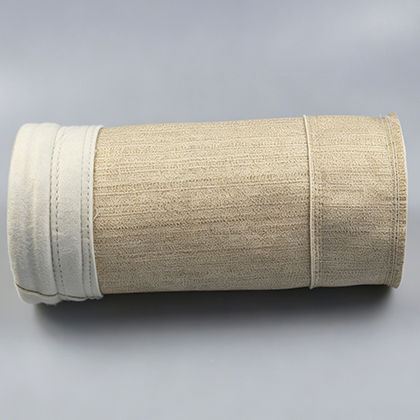
Fiberglass Needled Felt PTFE Membrane Filter Bags
 Fine Metal Oxide Dust / Low Emission Systems
Recommended:
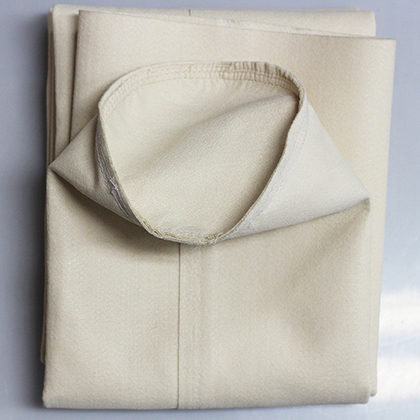
Aramid PTFE Membrane Filter Bags
 CO-Risk & Fine Dust Enhanced Safety Requirements
Recommended:
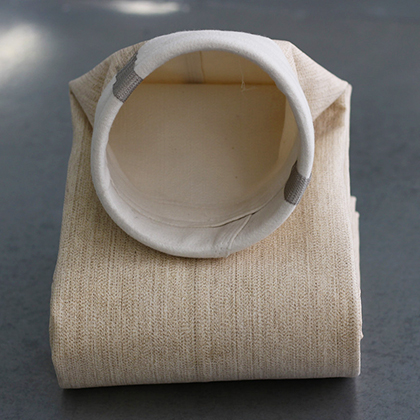
Anti-static Aramid Needled Felt Filter Bags
 Severe or Complex Operating Conditions
Recommended:
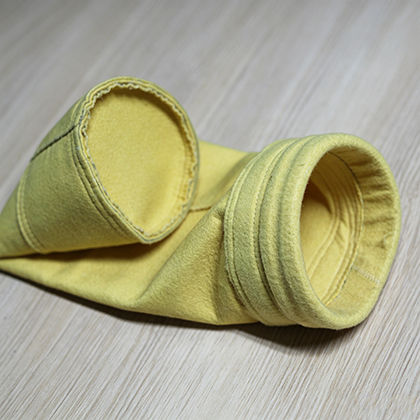
P84/Fiberglass Composite Filter Bags
Key Filtration Challenges in EAF Systems

It is easier to cause filter media clogging and emission fluctuations.

Significant fluctuations in furnace conditions demand higher filter media thermal stability.

Flue gas with high CO levels requires post-combustion and safety control design.

High temperatures and molten particles may damage the filter bags.

High dust concentrations place greater demands on dust removal and pressure drop control.

High-speed metal dust causes continuous abrasion of the filter media.

Some flue gases contain corrosive components such as SOx.

Modern steel mills are facing increasingly stringent requirements for ultra-low emissions.
Why PTFE Membrane Is Increasingly Used in EAF Systems
The ultra-fine metal oxide dust in modern EAF flue gases tends to get into the deeper layers of the filter media and cause clogging. PTFE membrane lamination are increasing their use in new EAF projects as they transform deep filtration into surface filtration, improving dust cleaning and enhancing long-term emission stability.

Improve the collection efficiency of ultra-fine dust.

Reduce the amount of dust entering the filter media.

Improve the effectiveness of pulse-jet cleaning.

Reduce the reduction in service life caused by clogging.
EAF Process & Major Dust Generation Points
EAF steelmaking dust collection is not a single flue gas point, but a comprehensive filtration system covering several process stages. Different stages have different flue gas characteristics and filtration requirements.
The main sources of flue gas include:
- Scrap Charging
- Electric Arc Furnace Melting
- Oxygen Blowing & Slag Formation
- Tapping & Slag Handling
- Ladle Furnace Refining
- Continuous Casting
Primary & Secondary EAF Emission Control
EAF systems typically treat both Primary Furnace Gas (PFG) and Secondary Fugitive Emission (SFE) from the workshop simultaneously. Primary Furnace Gas is primarily from high temperature furnace gas extracted from the 4th Hole, while Secondary Fugitive Emission comes from the charging, tapping and fugitive emission areas within the workshop. Both types of flue gases can be treated using either dedicated or centralized baghouse systems.
Why Choose FiltEdge?
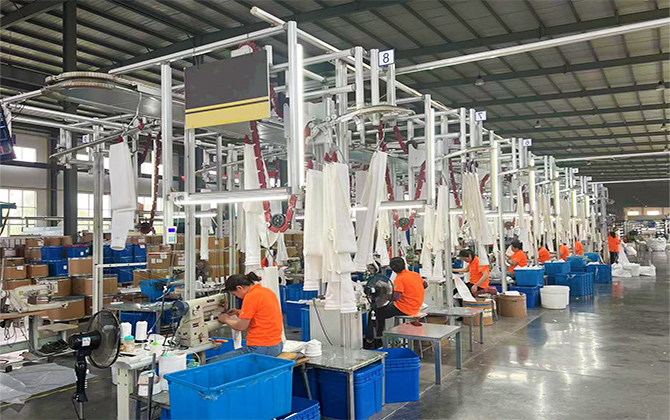
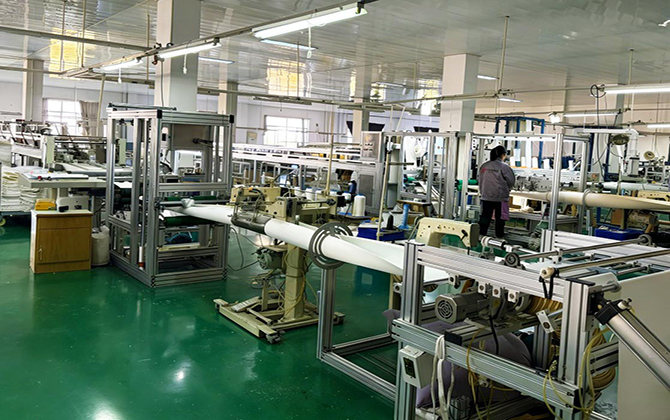
With over 20 years of global experience and expertise, FiltEdge delivers more than 1 million filter bags annually to over 50 countries and regions. FiltEdge selects the proper products based on your specific operating conditions, provides free prototyping or design optimization, and guarantees a long-term, stable supply to alleviate your supply chain concerns.
- One-Stop Filtration Sourcing Capability
100% Compatible + Easy Communication + Clear Responsibility + No Hidden Risk. - Flexible Production / Fast Global Delivery
European Roll Felts Lines + Automated Filter Bags Lines + Warehouses in China & US - Certified & Globally Compliant
ISO 9001 + ISO 14001 + ISO 12103-1 (Test Dust A2) + REACH + RoHS - Full Life Cycle Free Technical Support
Free Evaluation + Bag Inspection + Installation/Operation/Maintenance Consultation
FiltEdge Typical Related Application Industries and Fields for Dust Collection
FiltEdge’s filtration solutions are used in a wide range of harsh industrial environments. Find out how FiltEdge helps our customers meet the challenges of high temperature, corrosive and highly abrasive dust filtration with specialized media and bag designs.
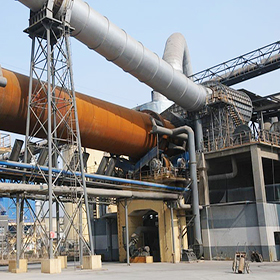
Cement Kiln Filtration
For high-temperature dust collection in cement kiln end/inlet and kiln head/outlet
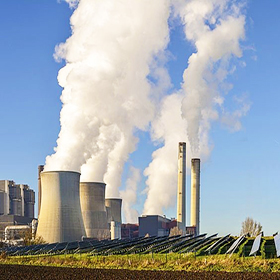
Coal-Fired Boiler Filtration
For particulate control in utility and industrial boiler systems.
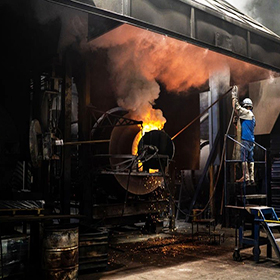
Waste Incinerator Filtration
For high-temperature and corrosive flue gas filtration in waste-to-energy applications.
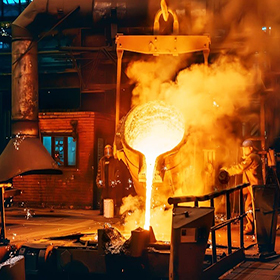
Smelter Filtration
For high-temperature and corrosive gas filtration in copper, zinc, lead, and aluminum smelting operations.
Related Products
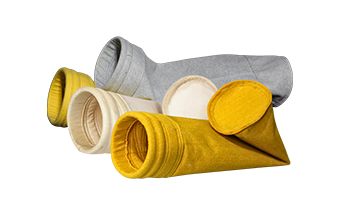
A wide range of high-temperature filter bags suitable for various industries and operating conditions
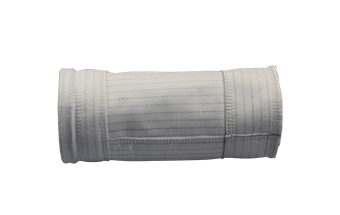
Environments where flammable, explosive, or ultrafine dust tends to accumulate and become compacted
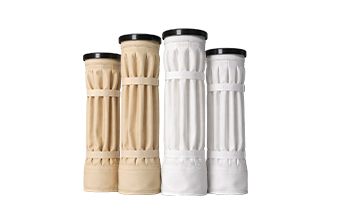
Flexible, erosion-resistant, increased filtration area, filtration in confined spaces
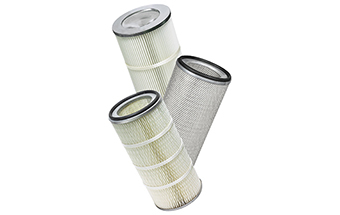
Semi-rigid material, dry dust, larger coverage area, high precision, filtration in limited spaces
Gas Conditioning & Safety Control
The EAF flue gas usually needs to go through a conditioning process of post-combustion, spark capture and cooling before entering the baghouse to reduce the CO risk and protect the stable operation of the filter bag system.
CO Post-Combustion System
Used to reduce CO content and minimize the risk of explosions.
Spark Arrestor System
Used to remove high-temperature sparks and molten particles.
Cooling System
Used to rapidly reduce the temperature of high-temperature furnace gas.
Explosion Protection Design
Safety measures including explosion venting, explosion-proofing, and CO monitoring
It refers to the primary furnace gas extraction system connected directly to the EAF roof. The EAF has four holes, three for graphite electrodes and the fourth for gas dust emission, so it is called 4th hole extraction, and the dust collection here is called primary EAF emission dust collection.
Some modern EAF systems use anti-static filter media to improve safety in fine dust and CO-related environments.
But this is not a must, if it is to prevent the accumulation of ultra-fine dust clogging, membrane lamination can also solve the problem, and achieve ultra-low emissions; if it is to dissipate static electricity, to prevent flash-over, most of cases this is a higher level of safety redundancy, as the CO generated from various EAF process stages have to go through combustion treatment, and combining overall explosion venting and prevention system, thereby ensuring a very high level of safety.
Ultra-fine dust penetration and unstable cleaning conditions are major causes of bag blinding.
The steel-making EAF process produces a large number of metal oxide ultra-fine dust particles condensed from high-temperature metal steam, and they:
- Extremely fine particle size, mostly between 0.1-1μm
- Strong adhesion, such as ZnO
- Easy to penetrate deeply
- Easy to form complex chemical problems, high temperature oxidation/reaction with water vapor to form acids and salts.
Their interaction will not only penetrate into the three-dimensional structure of the filter media in the voids to produce a dust buildup, adhere to both the interior and surface of the media, corroding the filter fibers, and ultimately cause the filter bag clogging, caking, aging, dust removal difficulties, premature failure of the filter bag, so it is important to keep the temperature of the filter bags at least 15–20°C above the acid dew point, a reasonable setting of the frequency and pressure of dust cleaning, to minimize the possibility of caking, all of these has led to the PTFE membrane filter media has become the trend in the industry.
The EAF process is only used for steel-making, not iron-making.
EAF is neither dominant nor sole at the moment, it is one of the typical processes in the steel-making industry, and is the process route with the most promising future prospects, because no matter which type of iron-making, such as Blast Furnace (BF), Scrap, DRI, H₂-DRI, they are all ultimately more and more united to the greener and more environmentally friendly EAF steel-making process.
In different countries and regions, built in different eras, many other steel process routes exist, such as a large number of BF-BOF routes(i.e., Blast Furnace–Basic Oxygen Furnace).
FiltEdge serves all different processes in the Iron and steel industry in terms of baghouse dust collection .