
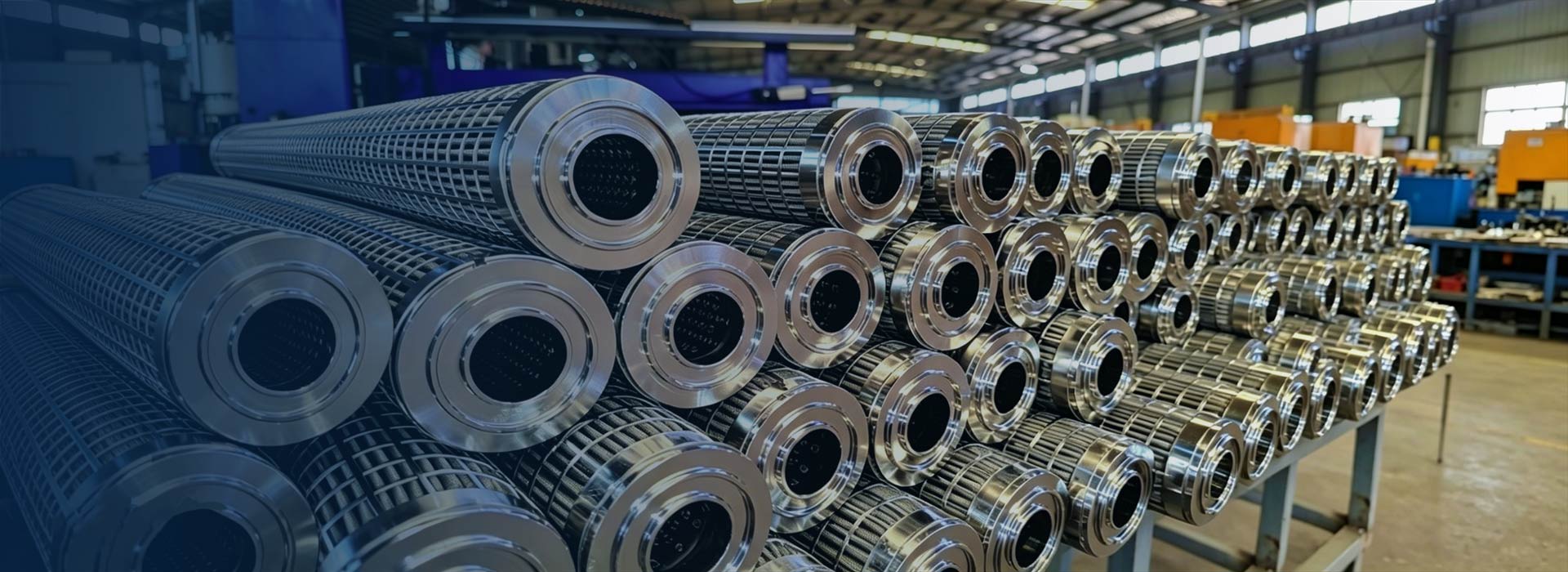
What Are Sintered Stainless Steel Filters?
Sintered stainless steel filters are porous sintered steel elements. It mainly has two types of materials: SS304 and SS316. It is the most essential component of your filtration system, providing you with long-term effective filtration effects and stable production processes. You can use it to process high-temperature and high-pressure filtration processes in petrochemical, pharmaceutical, food and beverage, gas-liquid separation.
Classification Of Sintered Stainless Steel Filters
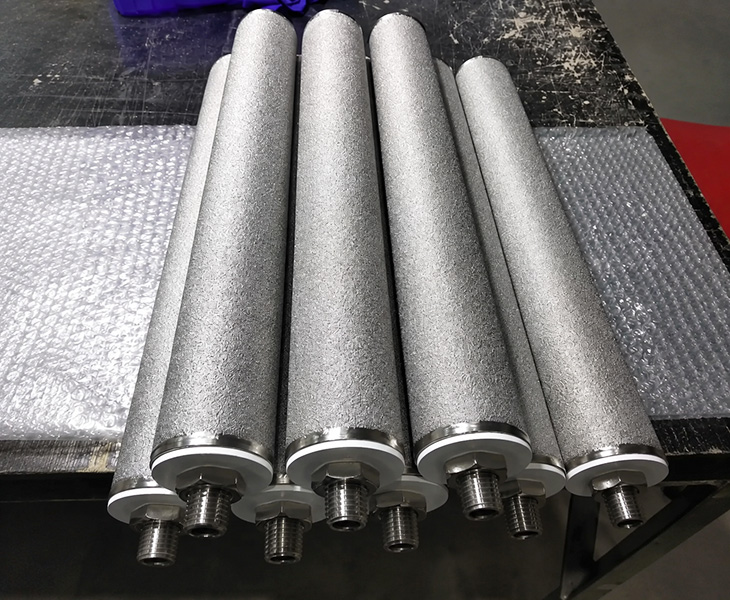
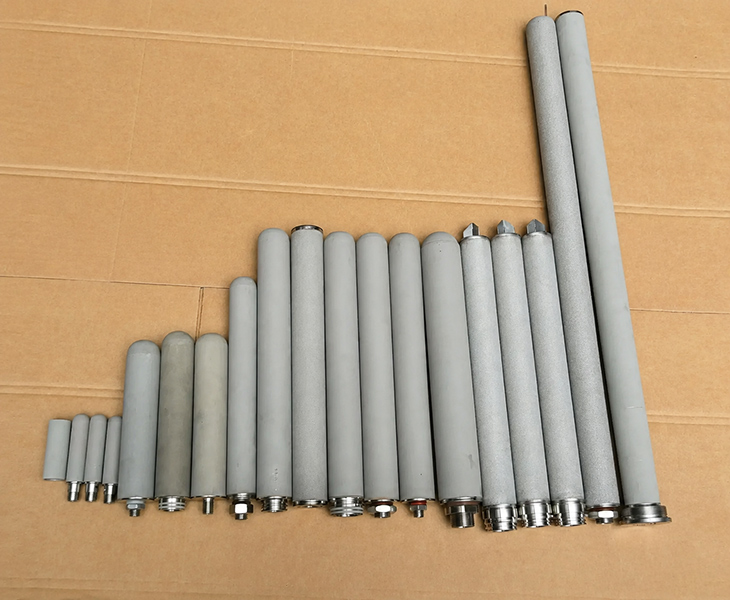
FiltEdge can provide you with over 100 types of sintered stainless steel filters, including different filter cartridges, seamless filter tubes, multi-layer mesh, and filters, perfectly matching your filter housing.
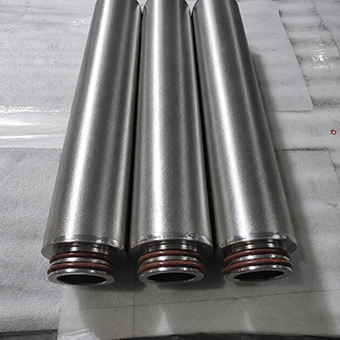
Made of high-quality 316L stainless steel sintered, it is sturdy and durable, and can be repeatedly rinsed and reused to reduce consumable costs.
Equipped with standardized interfaces such as NPT thread and 222/226 double opening (DOE), it can replace mainstream brands’ filters such as Parker and Mott.
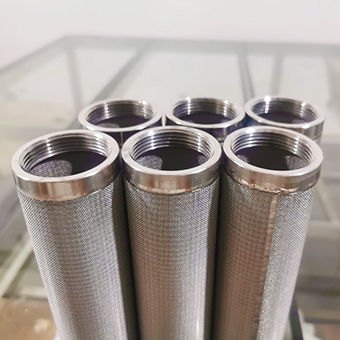
By stacking and firing multiple layers of woven stainless steel mesh with different thicknesses, it not only has a good flow rate but also can deal with high viscosity media.
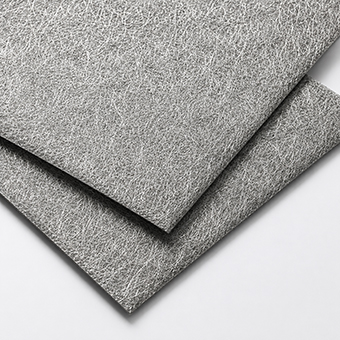
Adopting micrometer sized metal fibers for non directional paving and sintering, it has an ultra-high porosity and pollutant holding capacity of about 80%.
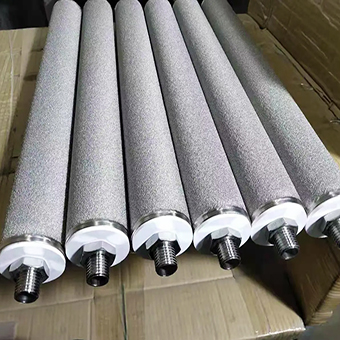
Using spherical or irregular stainless steel powder for molding and sintering, the accuracy can reach 0.2-20 microns, and the interception efficiency is extremely high.
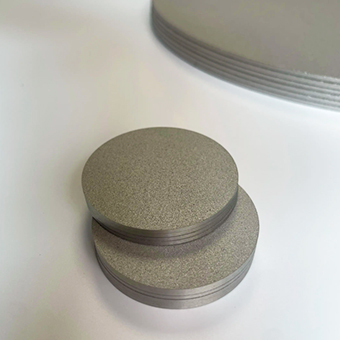
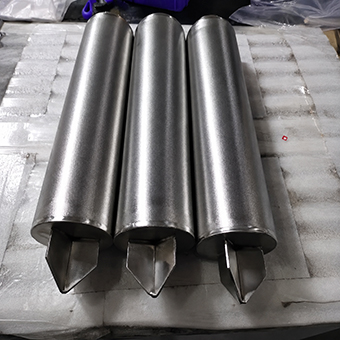
Precision cut disc-shaped sintered components, including single-layer powder, multi-layer mesh, or composite structures, are used in filter presses, laboratory filtration devices, and valve protection ends.
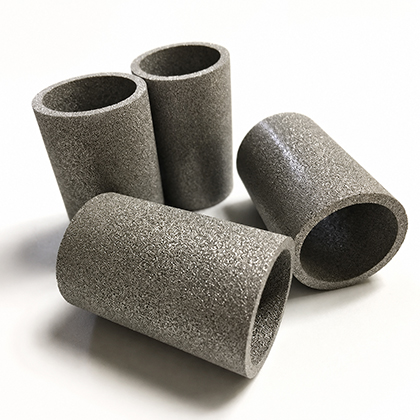
Customized length, diameter, and wall thickness for high flow gases or liquids.
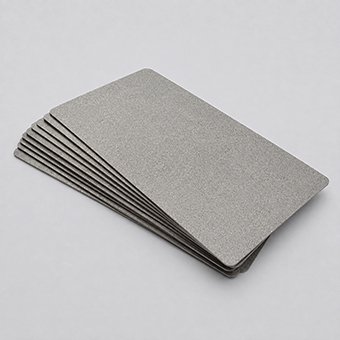
Flat large-area sintered plates can be cut and welded as needed.
Sintered Stainless Steel Filters Feature
FiltEdge’s sintered stainless steel filters are non disposable filters, and their excellent features can help you reduce your long-term operating costs.

316L / 304 Available, No fiber shedding, ensuring 100% purity of your product.

0.2 to 100 Micron Precision, Covering coarse filtration and sub micron gas or liquid filtration, it is widely used.

100% Cleanable & Reusable, It can be reused through ultrasonic waves, backwashing, or acid washing, greatly reducing long-term operating costs.

Sintered stainless steel filters can easily handle high temperatures ranging from -200 ° C to 600 ° C and withstand various extreme working conditions.

Precise Pore Distribution: Strictly control the powder/mesh sintering process to achieve consistent filtration efficiency (up to 99.9%).

Supports standard interfaces and is compatible with replacing international brands such as Parker, Mott, GKN, etc. for sintered stainless steel filters.
Application Of Sintered Stainless Steel Filters
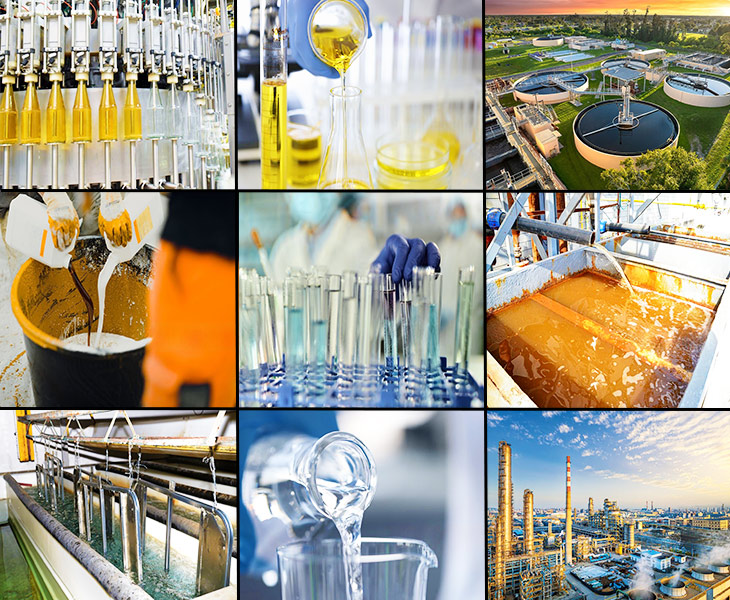
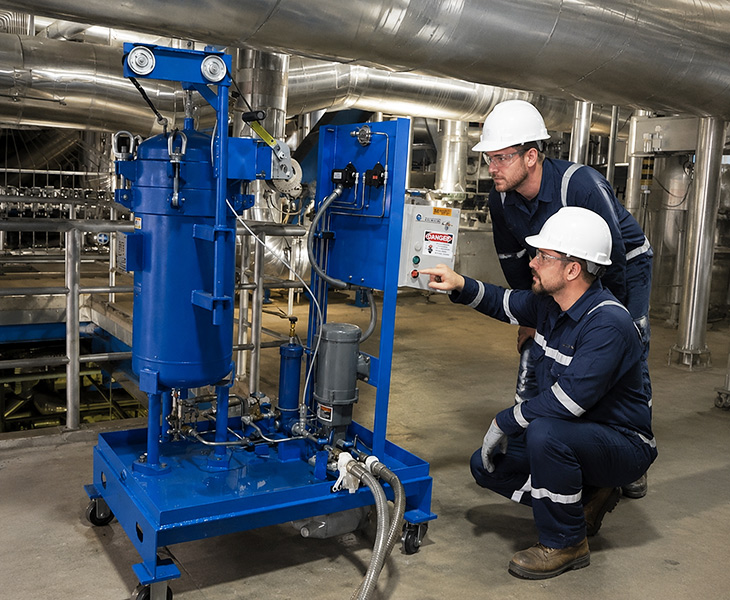
FiltEdge’s sintered stainless steel filters can be used in industries such as petrochemicals, pharmaceuticals, food and beverage, water treatment, and energy to perform solid-liquid separation, impurity removal, explosion gas recovery, and more according to your needs.
Customized Sintered Stainless Steel Filters
FiltEdge can customize sintered stainless steel filters for you based on the industry, size, micron count, interface, and filtering method you need, improving your generation filtering efficiency and product quality.
After Sales Of Sintered Stainless Steel Filters
Warranty scope, duration and exclusions must be confirmed in the quotation or contract. Installation and cleaning guidance can be discussed for the selected filter. Remote support is arranged during business hours; on-site service requires a separate agreement.
Certification Of Sintered Stainless Steel Filters
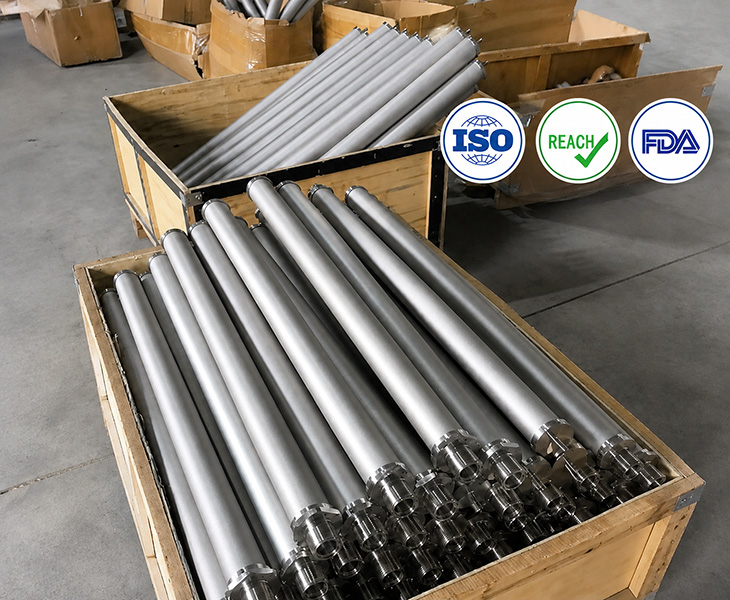
Confirm applicable quality and compliance requirements for the selected product before ordering. Request supporting documents for the exact model, material and manufacturing entity. Food or pharmaceutical suitability, third-party inspection and any certification must be agreed separately; audit acceptance is not guaranteed.
Why Choose FiltEdge's Sintered Stainless Steel Filters?
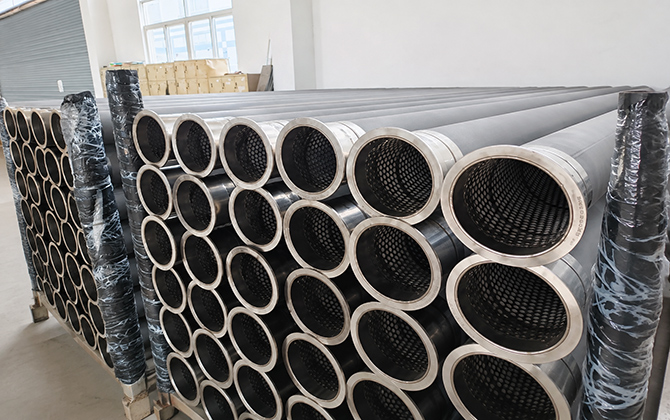
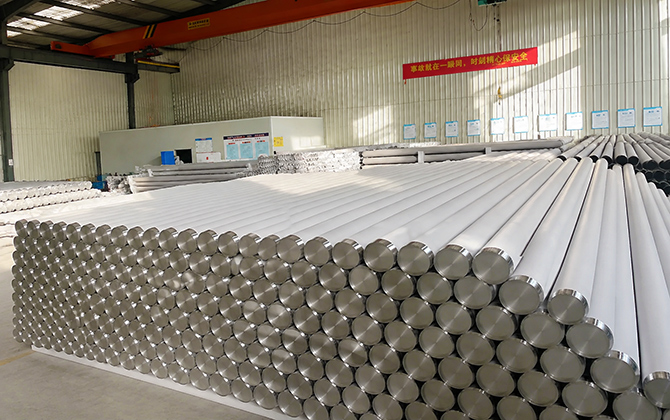
FiltEdge LLC is a U.S. company established in 2025, supported by SFFILTECH in China, established in 2006. Manufacturing support is provided through SFFILTECH in China. Confirm product specifications, available quality documents, pricing and delivery in the quotation. Certificates must be checked for the relevant entity, facility and product. Support is arranged during business hours; any on-site service or warranty terms require separate agreement.
Specification For Sintered Stainless Steel Filters
The following are the general parameters of sintered stainless steel filters. If you need non-standard dimensions or special interfaces, we can customize them according to your CAD drawings.
- Specification For Sintered Stainless Steel Filters
| Parameter Category | Specification Item | Standard Range | Remarks / Selection Guide |
| Material Specifications | Base Metal | 316L (UNS S31603) / 304 (UNS S30400) | 316L is the most commonly used standard grade for corrosion resistance. |
| Special Alloys (Non stainless steel) | Hastelloy C-276, Inconel 600, Monel 400, Titanium | Custom-made, used for strong acid/high-temperature severe conditions. | |
| Sealing Gaskets / O-Rings | EPDM, Viton (FKM), PTFE, Silicone, Buna-N | Selected based on media corrosivity and temperature. | |
| Filtering Performance | Micron Rating (Filtration Accuracy) | Powder Sintered: 0.2 µm – 50 µm Wire Mesh Sintered: 1 µm – 200 µm Fiber Felt Sintered: 3 µm – 60 µm | Absolute filtration efficiency (99.9% retention rate). |
| Porosity | Powder Sintered: 30% – 50% Wire Mesh Sintered: 50% – 70% Fiber Felt Sintered: 70% – 85% | Higher porosity means greater flow capacity and lower pressure drop. | |
| Operating Limits | Operating Temperature | -200°C to +400°C (in continuous air/oxidizing environments) Up to +600°C (in reducing/inert gas environments) (Special alloys up to +800°C) | Must be matched with corresponding high-temperature resistant seals. |
| Maximum Differential Pressure | Forward Pressure: 20 – 30 bar (2.0 – 3.0 MPa) Reverse Pressure: 10 – 15 bar (1.0 – 1.5 MPa) | Impact resistance is far superior to traditional filter paper/cloth. | |
| Burst Pressure | 40 – 100+ bar (depending on wall thickness and structure) | Provides high safety redundancy. | |
| Dimensions & Structure | Outer Diameter (OD) | 10 mm, 20 mm, 50 mm, 60 mm, 100 mm, 150 mm | Fully customizable per drawings. |
| Standard Length | 5″ (125 mm), 10″ (250 mm), 20″ (500 mm), 30″ (750 mm), 40″ (1000 mm) | Multiple sections can be combined via seamless welding for extended lengths. | |
| End Fittings / Connectors | 222, 226, NPT/BSP Thread, Threaded, Flange, Double Open End (DOE) | 100% compatible with housings from Parker, Mott, etc. | |
| Manufacturing Process & Care | Manufacturing / Structure Type | Sintered Metal Powder / Sintered Wire Mesh (5-layer) / Fiber Felt | Supports progressive gradient pore sizes (coarse outside to fine inside). |
| Cleaning & Regeneration Methods | Ultrasonic cleaning, Backwashing, High-temperature calcination, Strong acid/alkali chemical soaking | 100% reusable; cleaning recovery rate >90%. |
FiltEdge adopts an inner dust-proof/vacuum sealed layer, thick custom pearl cotton (EPE) insulation layer, and an outer export grade reinforced wooden box packaging for high-precision sintered stainless steel filters to prevent collision and pressure damage.
Pre testing is an important matter. For standard sintered stainless steel filters, a low MOQ of 1-5 pieces can be provided; For special customization, we support sample testing, and the sample fee can be refunded in subsequent bulk orders to help you detect the matching degree with zero risk.
FiltEdge will conduct strict pre factory testing on each batch of sintered stainless steel filters, including bubble point testing, air tightness and pressure resistance testing, and spectral material analysis. And we will provide you with material certificates and quality inspection reports along with the goods.