
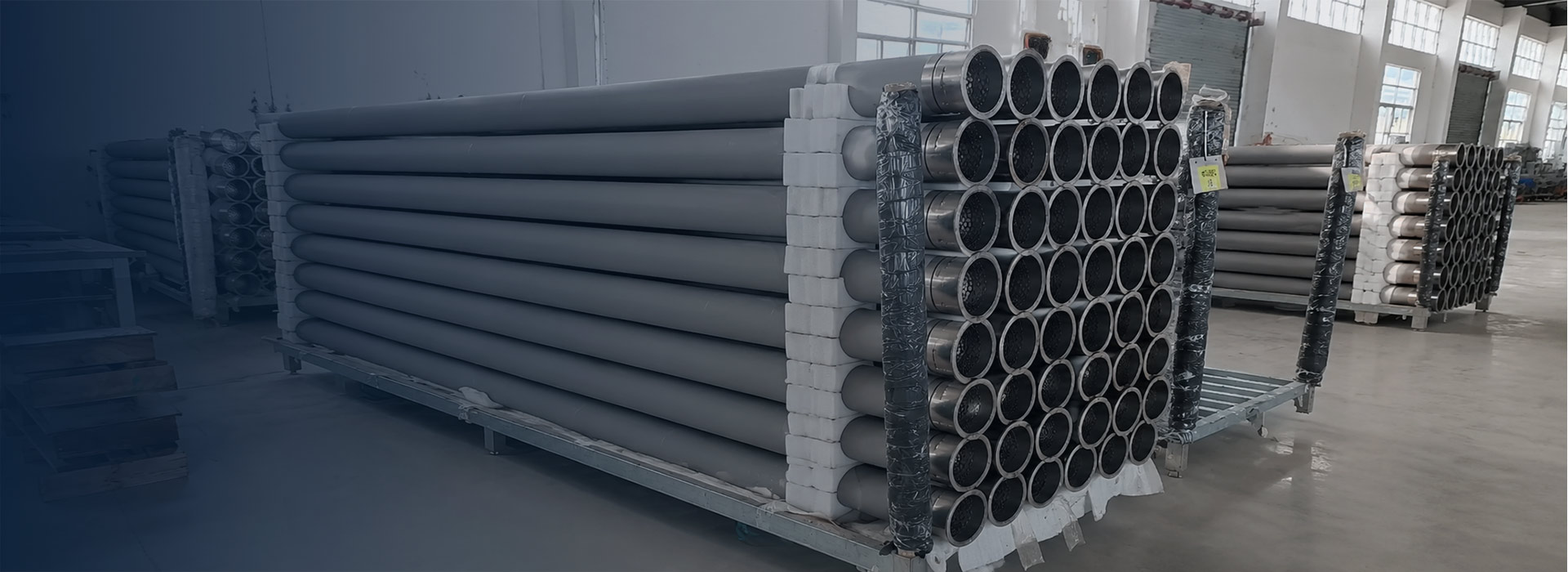
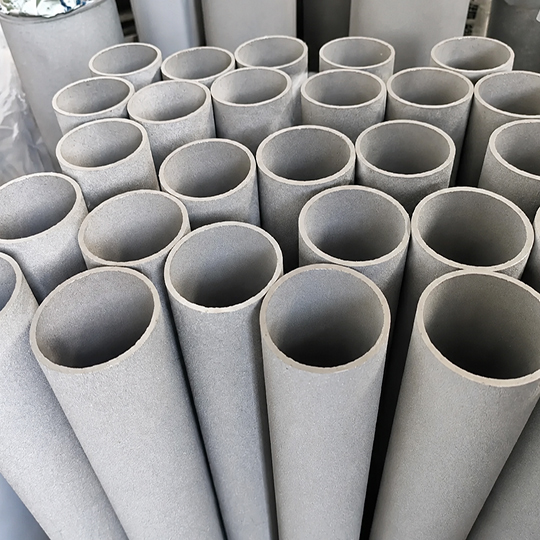
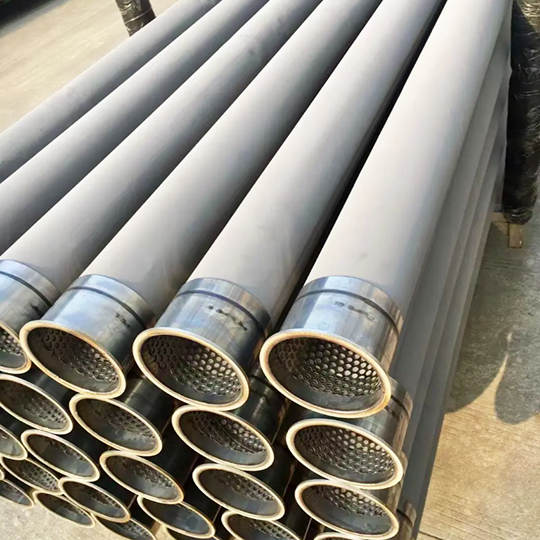
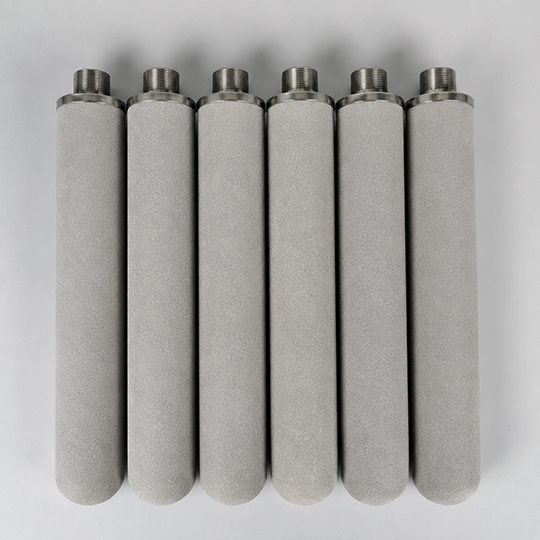
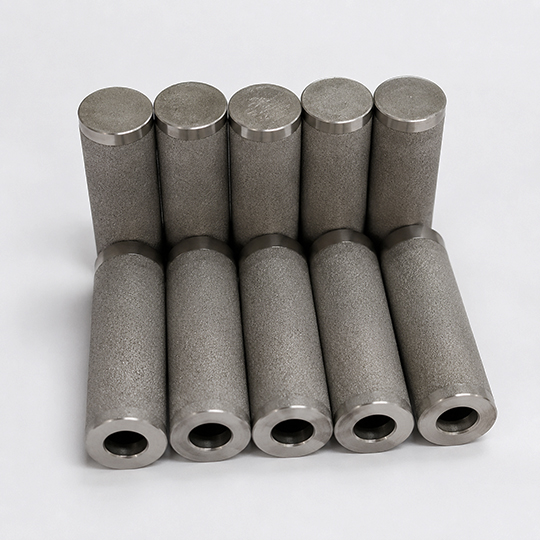
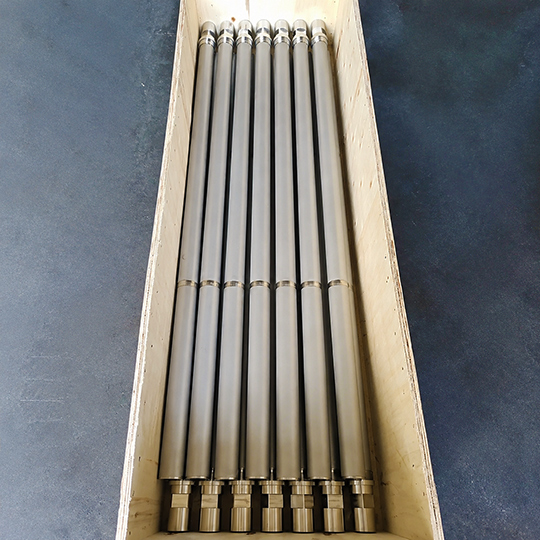
The Advantages Of FiltEdge's Sintered Filter Tube
Strong processability: seamless TIG/laser weldability, designed specifically for downstream secondary processing, helping you significantly reduce welding failure rates and labor costs.
Uniform gap distribution: no large bubbles, no blind spots, achieving precise aeration and filtration, providing you with predictable and repeatable perfect fluid performance.
Anti impact structure: It can remain sturdy even under high pressure and frequent flushing, extending equipment maintenance cycles and enhancing your brand and expanding your market.
Classification Of Sintered Filter Tube
FiltEdge can provide you with a diverse range of sintered filter tubes that are compatible with your process technology solutions, facilitating secondary processing and system integration.
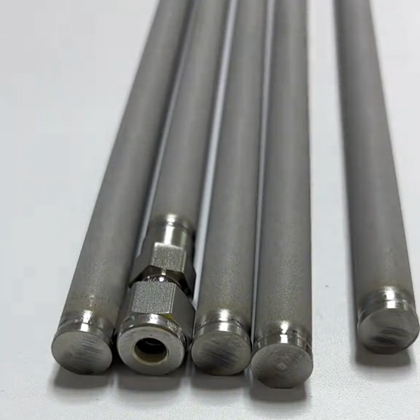
Stainless steel, titanium, nickel alloys, etc., excellent metal strength, pressure and high temperature resistance.
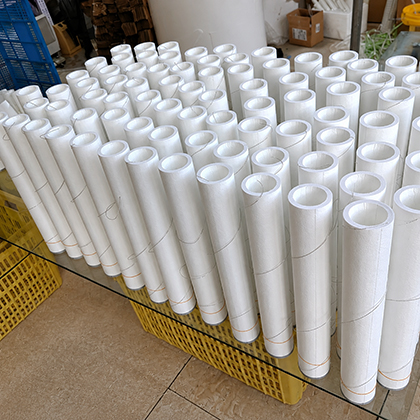 Sintered Plastic Filter Tube
PE/PP/PTFE and other materials, with no metal ion precipitation, light weight, high cost-effectiveness.
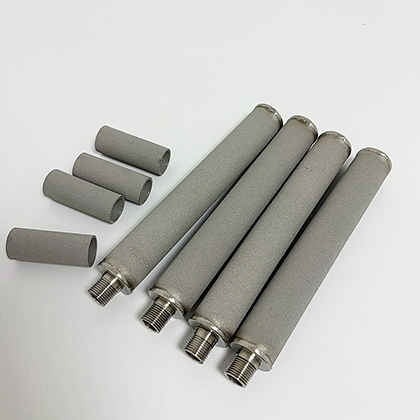
3D tortuous path, capable of achieving sub micron level deep filtration.
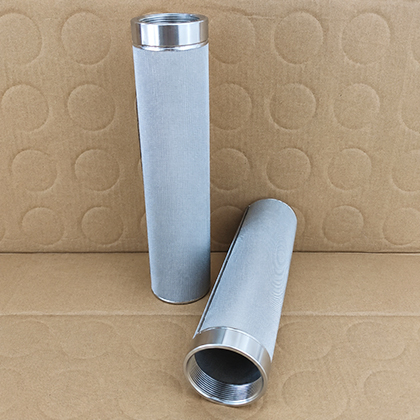 Mesh Sintered Tube
Multi layer woven stainless steel mesh is sintered and fused, doubling its compressive and tensile strength, and having strong backwash recovery ability.
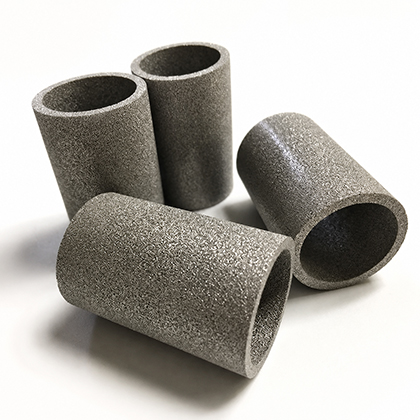 Fiber Felt Sintered Tube
The metal fibers are sintered using a 3D non-woven fabric method, which increases the pollutant holding capacity to three times that of ordinary sintered filter cartridges.
Features Of Sintered Filter Tube
FiltEdge’s sintered filter tube adopts high-precision hot melt sintering technology, which considers and designs the structure, flow field distribution, and secondary processing adaptability for you, allowing the sintered filter element you produce to operate stably under harsh working conditions.

Sintered filter tube supports seamless TIG/argon arc welding, laser welding, and turning processing. During welding, the molten pool is stable, does not burn through, and the edges are not blocked, reducing your processing failure rate.

There are no blind spots or boiling “big holes” in the entire pipeline. The fluid permeability is highly consistent, the Bubble Point is stable, and it can achieve excellent millisecond level air/liquid distribution effect for you.

Under high pressure differential conditions, the sintered structure remains stable, without deformation or rupture, and achieves zero medium detachment.

According to your working conditions, choose materials that are suitable and resistant to high temperatures, strong acids, strong alkalis, and organic solvents.

High porosity 3D microporous network with minimal fluid resistance. It can accommodate more impurities while reducing energy consumption for you.

Supports ultrasonic cleaning, chemical solvent rinsing, high-temperature burning or backwashing, with high flux recovery, significantly reducing your long-term consumable replacement costs.
The Quality Certification Of Sintered Filter Tube
FiltEdge will conduct Bubble Point Test, Permeability Test, and Material Inspection for each batch of sintered filter tubes according to ISO standards, providing you with high-quality materials, uniform pore size distribution, and pressure reduced sintered filter tubes. And provide you with FDA, PED, REACH certifications, etc. based on your market and usage.
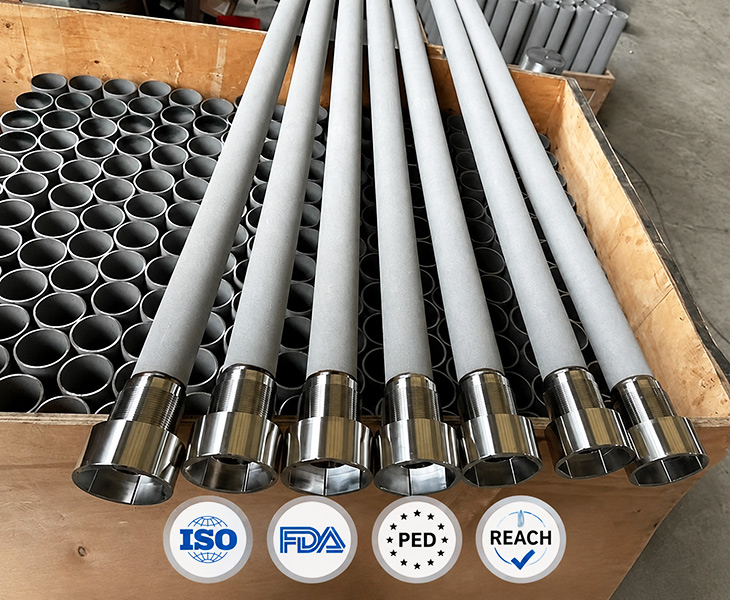
Why Choose FiltEdge's Sintered Filter Tube?
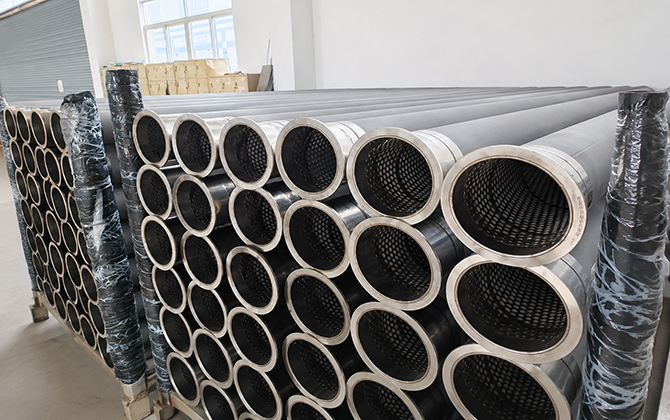
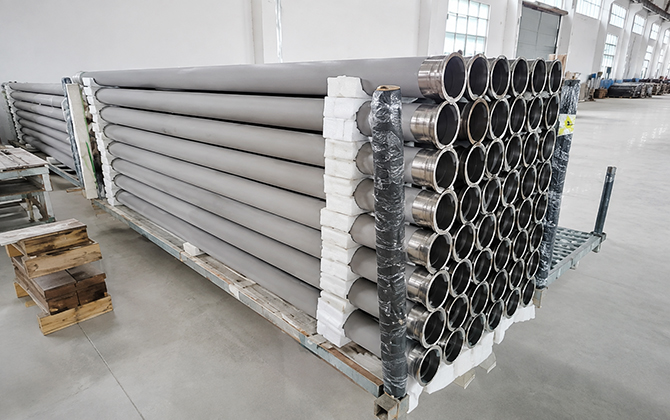
As a manufacturer and supplier of sintered filter tubes, FiltEdge can not only customize sintered filter tubes for you, but also provide high-quality sintered filter cartridges. We can promise you that the quality of each batch of sintered filter tubes is 100% consistent. We can also deliver samples quickly within 7 days and provide you with small batch trial orders, allowing you to quickly capture the market or conduct testing. We can also provide you with complete compliance and customs clearance documents along with the shipment, making your procurement more reassuring.
The Application Of Sintered Filter Tube
FiltEdge’s sintered filter tube, with its excellent performance, can be used in industrial systems such as liquids, gases, and dust. After your secondary processing is completed, it can provide you with stable and efficient medium transmission and separation guarantee.
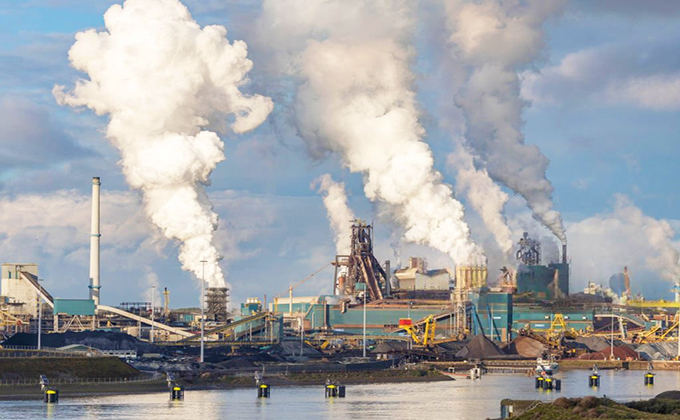
In high-temperature applications such as garbage incinerators, biomass power generation, blast furnace gas, and CEMS flue gas continuous monitoring systems, we intercept fly ash and particulate impurities to ensure the accuracy and emission compliance of subsequent analytical instruments.
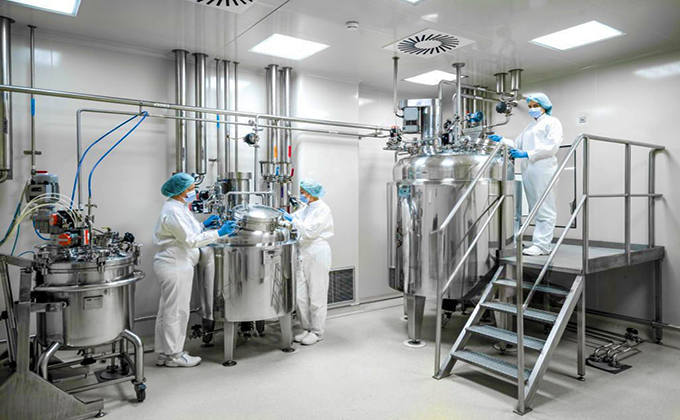
The microporous structure of the Sintered filter tube enables the formation of uniform microbubbles in the gases of biopharmaceutical fermentation tanks, beer/beverage CO2 carbonation towers, and water treatment aeration tubes, ensuring efficient and stable fermentation and carbonation processes.
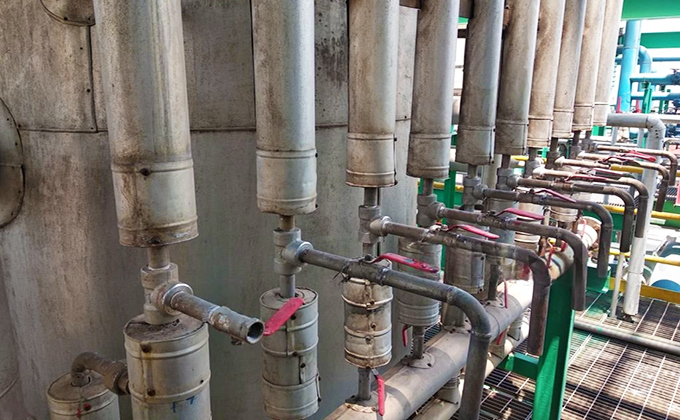
After secondary processing, the Sintered filter tube can be used in chemical powder fluidized beds, bin pump fluidized plates/tubes, and dense phase pneumatic conveying discharge nozzles to keep catalysts, resins, or powder particles in a “fluidized” suspension state, preventing agglomeration and blockage.
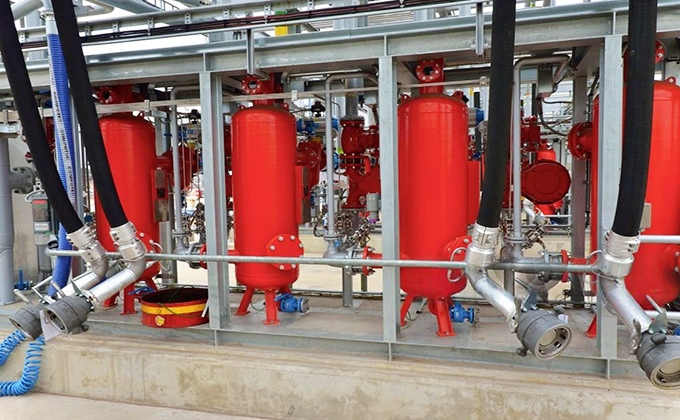
After processing the sintered filter tube into a sintered filter cartridge, its ability to be repeatedly cleaned and regenerated enables it to achieve the longest lasting use in petrochemical backwash filters, special single/double opening metal filter cartridge assemblies, and self-cleaning liquid filters.
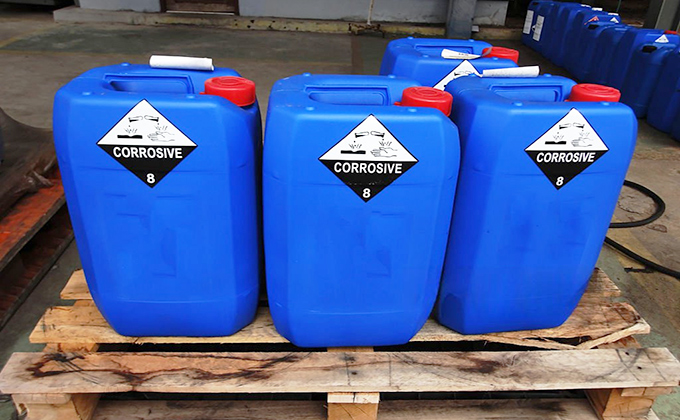
Made of materials such as titanium, stainless steel, PTFE, etc., specially designed for harsh fluids such as strong acids, strong alkalis, and organic solvents.
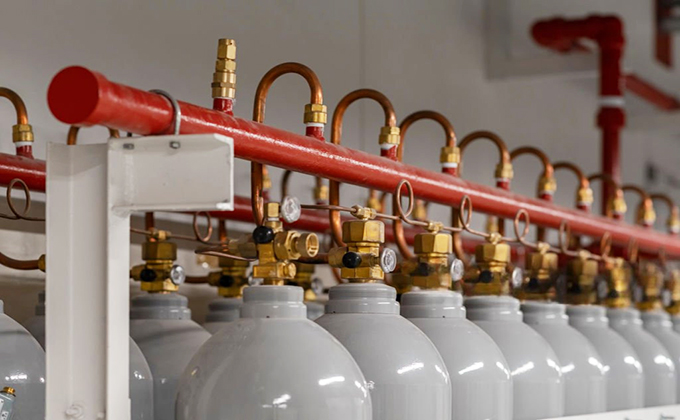
Petrochemical hydrogenation reactor catalyst interception, high-purity electronic grade gas filtration. While reducing material loss, we can ensure the purity of the finished product for you.
Specification For Sintered Filter Tube
The following is a comparison table of parameters and processes for FiltEdge’s sintered filter tube, to help you quickly choose a sintered filter tube model. We can also customize filter cartridges that better match your working conditions or market needs.
- Technical Specifications
- Construction Types Comparison
- Material Comparison
| Parameter | Specifications & Range | B2B Procurement / Engineering Focus Points (OEM Focus) |
| Material Selection | 316L, 304L, Titanium (Grade 1/2), Inconel 600, Hastelloy C-276, Monel, UHMW-PE, PTFE | Covers high-temperature resistance, strong acid/alkali resistance, and ultra-clean, non-leaching applications. |
| Filtration / Retention Rating (Micron Rating) | 0.2 µm – 100 µm (sub-micron levels customizable) | Precise particle retention with consistent bubble-point integrity. |
| Outer Diameter (OD) | 10 mm – 150 mm (non-standard sizes customizable) | Compatible with standard tube sheets and assembly fixtures. |
| Wall Thickness & Tolerance | 1.0 mm – 5.0 mm (Precision tolerance: ±0.1 mm) | Highly uniform wall thickness ensures a stable weld pool during joining operations. |
| Maximum Seamless Length | Up to 1500 mm (extendable via seamless splicing) | Minimizes welded joints, reducing system leakage risks. |
| Porosity | 30% – 50% (powder/mesh sintering); up to 80% (fiber felt sintering) | Directly determines system air permeability and initial pressure drop. |
| Operating Temperature | Metals: up to 600°C; Polymers: up to 120°C | Suitable for harsh conditions such as high-temperature flue gas and reactor vessels. |
| Maximum Differential Pressure | Forward differential pressure: up to 3.0 MPa; Backwash differential pressure: 1.0 – 1.5 MPa | High mechanical strength ensures no deformation under strong back-flushing. |
| Construction Type | Structure Characteristics | Weldability & Workability | Key Advantages | Best Applications |
| Powder Sintered Tube | Metal/polymer spherical powder compacted and thermally fused via molding, forming a 3D tortuous micro-porous structure. | Excellent (specialized density control at tube ends; TIG/laser welding without burn-through or pore blockage). | High sub-micron retention precision, uniform bubble-point, millisecond-level gas diffusion. | Fermenter / carbonation tower sparger, CEMS flue gas sampling probes, precision liquid filtration. |
| Mesh Sintered Tube | Multiple layers of precision-woven stainless steel mesh vacuum-sintered and fused into an integrated structure. | Excellent (the entire body is high-density metal mesh; exhibits superior performance in turning and girth welding). | Extremely high rigidity, excellent resistance to high-pressure shocks, flux recovery rate approaching 100% after intense back-flushing. | Automated pulse backwash filters, high-pressure gas filtration, viscous medium separation. |
| Fiber Felt Sintered Tube | 3D non-woven metal microfiber mat interlocked and sintered, offering very high porosity. | Good (requires solid metal end rings for welding integration). | Extremely high dirt-holding capacity (up to 3x that of powder tubes), ultra-low pressure drop, high flow capacity. | High-temperature flue gas dust removal, high-flow gas-solid separation, coarse filtration of high-viscosity fluids. |
| Sintered Plastic Tube | High-purity UHMW-PE or PTFE thermally fused without any binders or additives. | Not weldable (supports thermal insertion joining, thread cutting, or compression sealing). | 100% acid/alkali corrosion resistance, pure with no metallic ion leaching, cost-effective. | Strong acid/alkali gas/liquid filtration, low-pressure gas aeration, pneumatic conveying fluidization tubes. |
| Sintered Metal Tube (General Term) | A collective term covering all metal sintered tubes including powder, mesh, and felt types. | Excellent (all-metal substrate, fully compatible with various industrial welding standards). | High structural strength, extreme high-temperature resistance (up to 600°C), high differential pressure tolerance. | Petrochemical reactor catalyst recovery, high-temperature/high-pressure industrial system integration, specialty filter element manufacturing. |
| Material Grade | Max Operating Temperature | Key Corrosion Resistance & Physical Properties | Weldability & Secondary Fabrication | Best Suited Industries & Media |
| 316L Stainless Steel | Up to 450°C | Excellent overall mechanical strength; resists common organic acids, alkalis, and industrial gases. The most versatile option with outstanding cost-performance ratio. | Excellent (highly suitable for automated TIG/laser welding). | Industrial gas filtration, fermenter aeration, conventional petrochemical and water treatment systems (the first choice for ~80% of customers). |
| Titanium / Grade 1/2 | Up to 300°C | Exceptional resistance to chloride ions and seawater corrosion; low density, lightweight, and excellent biocompatibility. | Good (requires argon shielding for TIG/laser welding). | Seawater desalination, chlorine-bearing chemical media, pharmaceutical manufacturing (non-toxic with no metal ion leaching), ozone disinfection systems. |
| Hastelloy C-276 | Up to 600°C | Specifically designed for highly corrosive media such as concentrated hydrochloric acid, hydrofluoric acid, wet chlorine gas, and strong oxidizing salts. | Fair (sensitive to welding heat input; requires strict welding procedure control). | Hydrometallurgy, fine chemical strong-acid reactors, high-temperature/highly corrosive flue gas sampling probes. |
| Inconel 600/625 | Up to 800°C | Exceptional high-temperature resistance and oxidation resistance; maintains high mechanical strength at elevated temperatures; resists stress corrosion cracking. | Excellent (compatible with specialized high-temperature welding wires and TIG welding). | Extreme high-temperature reactors, high-temperature flue gas purification in waste incinerators, nuclear industry fluid filtration. |
| UHMW-PE (Ultra-High Molecular Weight Polyethylene) | Up to 80°C | Strong acid/alkali resistance; absolutely no metal ion leaching; smooth, anti-adhesive surface; extremely low cost and lightweight. | Not weldable (supports thermal compression bonding, mechanical fastening, or threaded connections). | Strong acid/alkali liquid filtration, electronic-grade high-purity water purification, low-pressure pneumatic conveying fluidization for powders. |
| PTFE / Teflon | Up to 120°C | The “king of plastics” — resists nearly all chemical solvents (strong acids, strong alkalis, organic solvents); excellent hydrophobicity. | Not weldable (supports heat-sealing and compression sealing with O-rings/gaskets). | Highly corrosive organic solvent filtration, high-purity semiconductor chemicals, hydrophobic gas drying/dewatering. |
There is a subordinate relationship between the two, and the sintered metal filter elements include sintered metal filter tubes, cartridges, discs, plates, sheets, etc. Apart from differences in shape and processing integrity, all other aspects such as precision, material, and craftsmanship can be achieved the same. It depends on your specific needs.
The most basic principle is that the pore size of the sintered filter tube should be smaller than the minimum size of the particles you need to filter. But it is also not advisable to choose high-precision ones to avoid frequent blockages. Here are some common application accuracies, or we can make specific choices for you based on your application.
Pharmaceutical/Fine Chemical : 0.2 µm-0.5 µm
Smoke continuous monitoring sampling probe: 0.5 µm-3 µm
Fermentation tank/beverage carbonation aeration (Sparging): 3 µm-10 µm
Petrochemical reactor catalyst recovery: 5 µm -20 µm
Fluidized bed/pneumatic conveying discharge pipe: 20 µm -50 µm
Viscous polymer/high-temperature heavy oil coarse filtration: 40 µm -100 µm
Of course, we can not only provide you with sintered filter tubes, but also offer you processed sintered filter cartridges. You only need to inform us of your working conditions, or provide your requirements directly, and our engineers can analyze, select, and customize processing for you.