
What is an HVAC Pre-Filter?
HVAC Pre-Filters are primary filtration components installed on the air intake side of air handling units, rooftop units, or ventilation equipment. Their core function is to intercept large amounts of dust, fibers, and debris before the air enters the main filter or the system’s internal coils. They can be made of synthetic fibers, glass fibers, or metal mesh, and made into flat, pleated, or cleanable structures.
FiltEdge’s HVAC pre-filters build the first line of defense for your air handling system, reduce equipment maintenance frequency, lower the cost of replacing high-end secondary filters, and ensure that the air conditioning unit (AHU) always maintains optimal air output.
HVAC Pre-Filter Types We Offer
FiltEdge can customize different HVAC pre-filters according to your different needs, offering one-time replacement, cleaning and maintenance, high-temperature environments, or odor requirements. Below are some products our customers frequently customize:
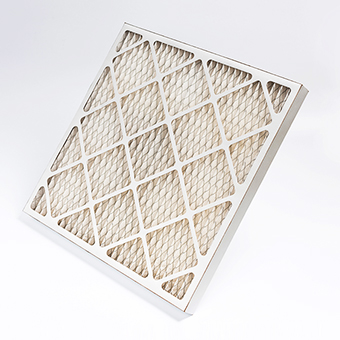
Pleated synthetic fiber filter material is installed in a moisture-proof paper frame or metal frame and maintained in pleated shape using support mesh. It is suitable for commercial buildings, warehouses, and general industrial AHU systems.
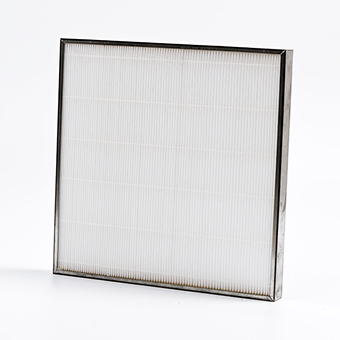
Fiberglass mats are suitable for intercepting larger air particles and can be used in specific temperature or industrial ventilation conditions. The frame, filter density, and temperature resistance need to be confirmed by model. The entire filter cannot be considered a high-temperature product simply because it uses a metal frame.
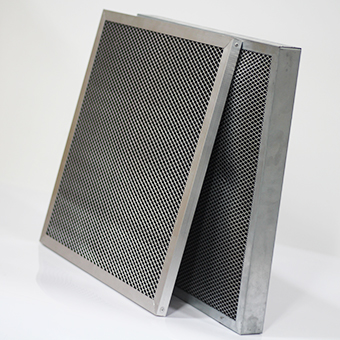
Multi-layer aluminum, galvanized, or stainless steel mesh structures are suitable for air intake sections that require regular cleaning. It is typically used for coarse protection and high dust load locations.
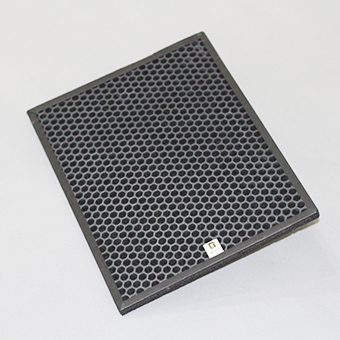
If the air entering the equipment is not dust, but also contains odors or chemical gases, then you need to choose a composite pre-filter with activated carbon. The target gas, concentration, humidity, and exposure time need to be confirmed before selection.
HVAC Pre-Filter Features
A good pre-filter must first match the existing system, not be more efficient as the sole criterion. The following characteristics correspond to airflow, maintenance, installation, and post-stage protection, respectively; a single filtration level is not considered the entire performance.

The initial resistance needs to be compared at the specified rated airflow. For filters of the same size, the resistance will vary if the filter material area, pleat spacing, or media are different.

Conventional pre-filtration can cover the coarse to medium to low MERV range. The specific rating should be determined based on coil protection, post-stage filters, and indoor air targets.

The pleated structure places more filter material within the same windward area. When the pleat spacing and support mesh are kept reasonable, the dust can be distributed over a larger medium area.

FiltEdge can be customized in standard or non-standard lengths, widths, and depths depending on the filter box. When the old label is inconsistent with the measured dimensions, the filter box opening, compaction surface, and sample installation results shall be used as the basis for confirmation.
Processing Technology of HVAC Pre-Filter
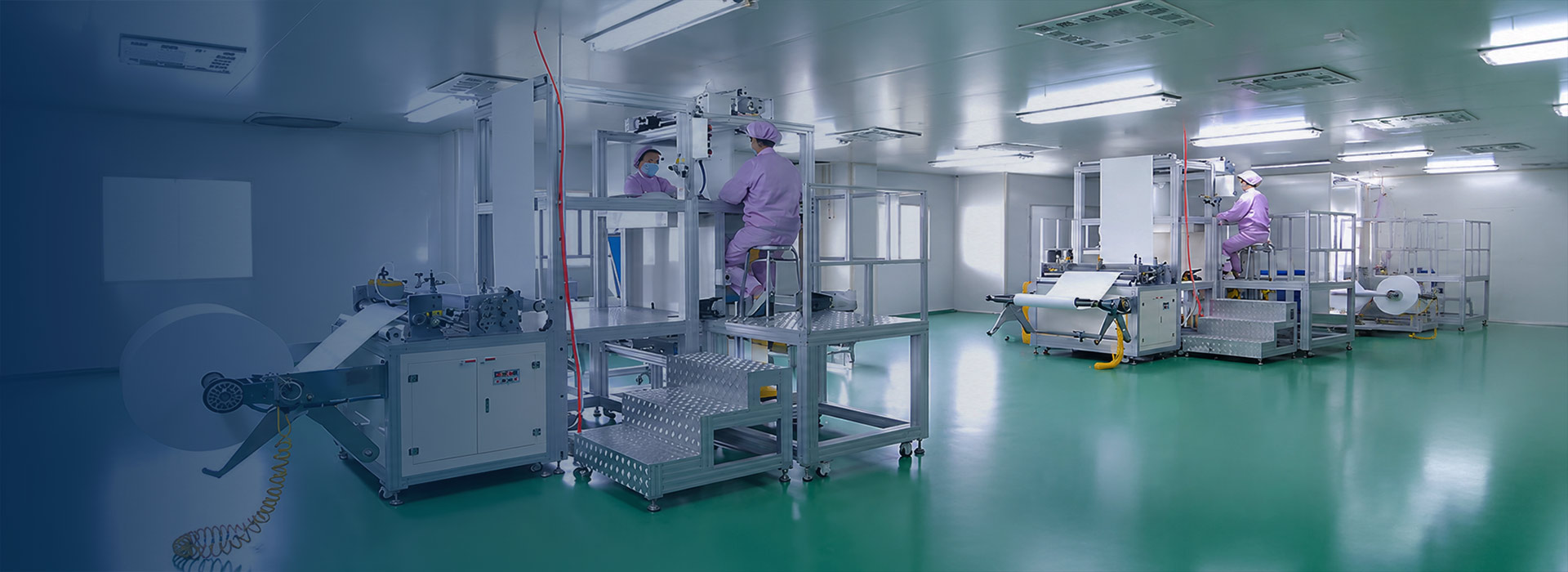
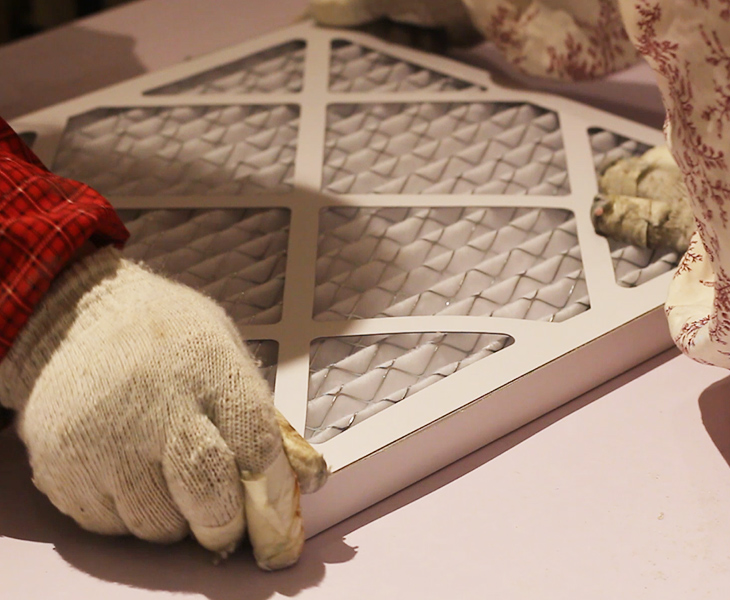
FiltEdge’s HVAC pre-filter production involves feeding cut nonwoven fabric raw materials into automated equipment to create uniform pleat spacing. Then, the shaped filter media is assembled with a plastic or metal frame and bonded using special sealants to prevent airflow bypass. After complete assembly, trim excess materials, control the folding height throughout the process, ensure the continuity of the adhesive lines, and prevent the filter cloth from stretching or tearing.
HVAC Pre-Filter Quality Inspection
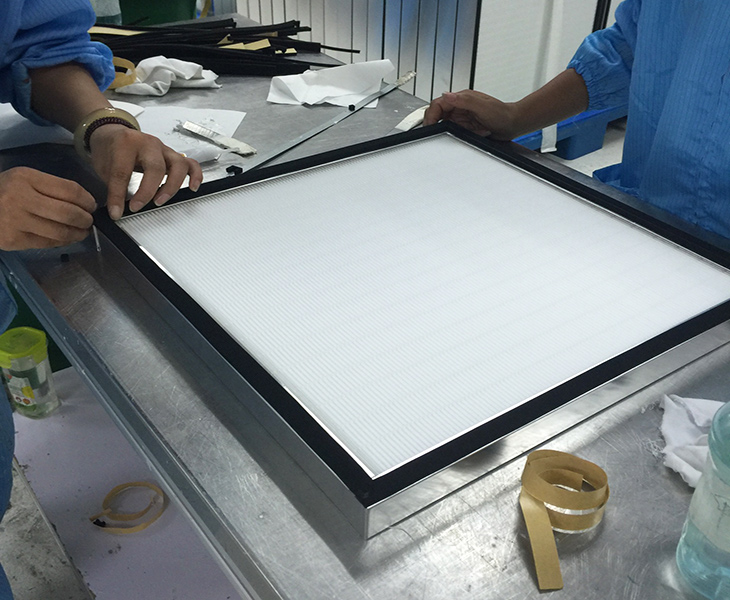
The quality inspection of HVAC pre-filters from FiltEdge suppliers involves many dimensions. External inspections include checking for deformation, damage to the filter cloth, glue overflow, and lint shedding. The focus is on airtightness testing to check for air leakage defects. Any failure will be deemed unqualified. Qualified products will be labeled with product dimensions, parameters, and model. Quality inspection records will be kept, and only qualified products can enter the packaging process.
Packaged Shipping of HVAC Pre-Filter
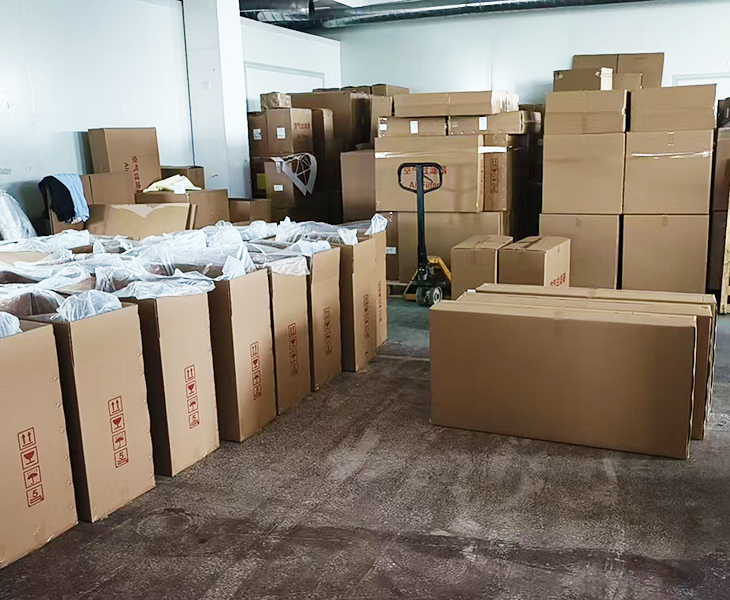
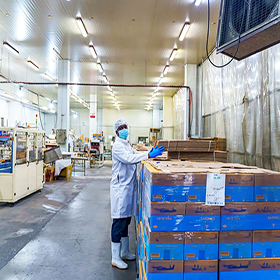
Quality-tested FiltEdge HVAC Pre-Filters are individually packaged in sealed bags to isolate dust and moisture, and then placed in a rigid cardboard box with cushioning material in the middle to prevent crushing and deformation during transportation. After packing, a tray will be placed, and the wrapping film will be fixed as a whole to prevent the stack from slipping. After the product is exported, we will track the logistics information to ensure that the product is delivered to you in good condition.
Why Choose FiltEdge as Your HVAC Pre-Filters Manufacturer?
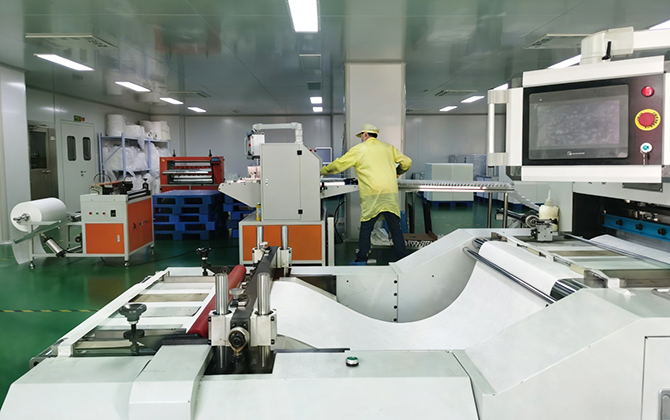
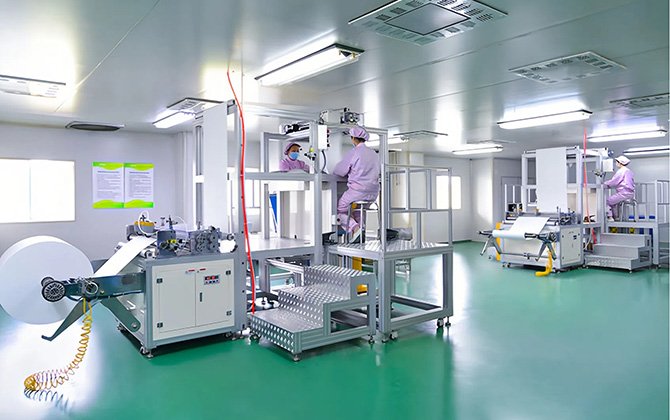
- FiltEdge has over 20 years of industrial filtration experience and has participated in more than 30 international industry exhibitions. Our long-term exposure to AHU replacement, OEM accessories, and bulk restocking projects in different countries has led us to place greater emphasis on actual size, airflow, and delivery documentation, rather than simply quoting based on a market name.
- We have served more than 10,000 customers and our business covers more than 100 countries, with a high proportion of customers in Europe and the United States. For cross-border procurement, this means that in addition to the products, there is a wide range of experience in handling British and metric dimensions, labeling languages, outer box markings and shipping methods, and related requirements can be handled together during the order confirmation stage.
- In addition to HVAC air filters, we also offer dust removal bags, dust removal cartridges, liquid filter bags, and liquid filters. When you need to consolidate multiple filter categories, consistent specification records, labeling, and shipping arrangements can reduce your coordination efforts.
HVAC Pre-Filters Applications
HVAC Pre-Filters are primarily used in the air intake section of commercial buildings and industrial facilities. When selecting a model, you need to decide on the paper frame, fiberglass, or metal mesh structure based on your on-site dust, operating time, post-stage configuration, and maintenance methods.

AHUs in office buildings, hotels, schools, and shopping malls typically require continuous processing of return and fresh air. If the pre-filter is not sized correctly or the resistance increases too quickly, edge dust accumulation, insufficient airflow, and increased replacement frequency will occur on-site. FiltEdge can confirm the disposable pleat model based on the measured dimensions of your filter box, rated air volume, and maintenance interval, and label different floors or units.
Processing, packaging, and assembly areas may generate fibers, paper scraps, or general industrial dust. Dust entering the coil directly increases the cleaning workload and accelerates the consumption of the post-stage filter. For air intake sections with high dust loads, our engineers will compare deep-pleated disposable filters and washable metal filters to select the appropriate type and determine the actual maintenance cycle based on differential pressure records.

Pre-filters in hospitals and laboratories only undertake pre-load management and cannot replace the end-efficient filtration specified in the project. You need to provide the post-stage filtration rating, air volume, differential pressure alarm value, and acceptance requirements at the same time. FiltEdge will verify the HVAC Pre-Filters model, label, and batch quality inspection documents based on the data you provide. Please note that MERV ratings and HEPA integrity testing requirements should not be confused.
HVAC Pre-Filters Technical Specifications
- HVAC Pre-Filters Technical Specifications
| Technical projects | Common Options or Ranges | Selection instructions |
| Product Structure | Flat, pleated, wire mesh | Select by filter box, dust load, and maintenance method |
| filter material | Synthetic fiber, glass fiber, metal mesh, activated carbon composite material | Different filter materials have different particle efficiency, temperature resistance and cleaning methods. |
| frame | Moisture-proof paper frame, galvanized steel, aluminum alloy, stainless steel | Moisture, corrosion, and weight requirements can affect material selection. |
| efficiency level | Common MERVs 5–9; Higher levels are confirmed by model. | The MERV rating shall be based on the applicable version of ASHRAE 52.2 test data |
| common depth | 45 mm, 95 mm and customization depth | Actual dimensions and nominal dimensions need to be confirmed |
| Reference rated air volume | Paper frame model approximately 1,500–3,500 m³/h | Varies with windward size, depth, filter media area, and resistance requirements |
| Recommended final resistance | Approximately 100–200 Pa, structurally confirmed | Metal mesh cannot use the same final resistance as paper frame or fiberglass models. |
| Reference maximum final resistance | Approximately 200–250 Pa, depending on the model. | Do not exceed the allowable differential pressure of the equipment and the product specifications |
| Operating temperature | The common upper limit for paper frame models is approximately 80°C; Metal or specific fiberglass models can be higher | The temperature resistance of the entire filter is determined by the filter material, adhesive, frame, and sealing material. |
| dimensions | Standard and non-standard dimensions | Provide actual length, width, depth and filter box opening before quotation |
| Testing and Documentation | Efficiency, resistance, size, batch or labeling documents are confirmed per order | Test methods, sampling ratios, and report formats must be agreed upon in advance. |
Note: The above are common options in the catalog and product series, and do not mean that all structures have all parameters at the same time.
The HVAC Pre-Filter is typically installed in the air intake section of the AHU ventilation unit, typically upstream of the main Filter.
FiltEdge HVAC Pre-Filter does not have a fixed grade; the filtration grade needs to be selected based on your post-stage Filter, target efficiency, and air quality requirements.
The replacement cycle of HVAC Pre-Filters depends on dust load, operating time, filter media area, etc. It should still be based on differential pressure, air volume, and appearance inspection; a fixed 30-day or 60-day period should not be used as a unified cycle.
Metal mesh or clearly marked cleanable structures can be maintained according to the prescribed methods; Paper frames and most disposable synthetic fiber or fiberglass products are not recommended for washing. Before cleaning, it must be confirmed that the filter media, adhesives, and frames are allowed to come into contact with water or cleaning agents.