
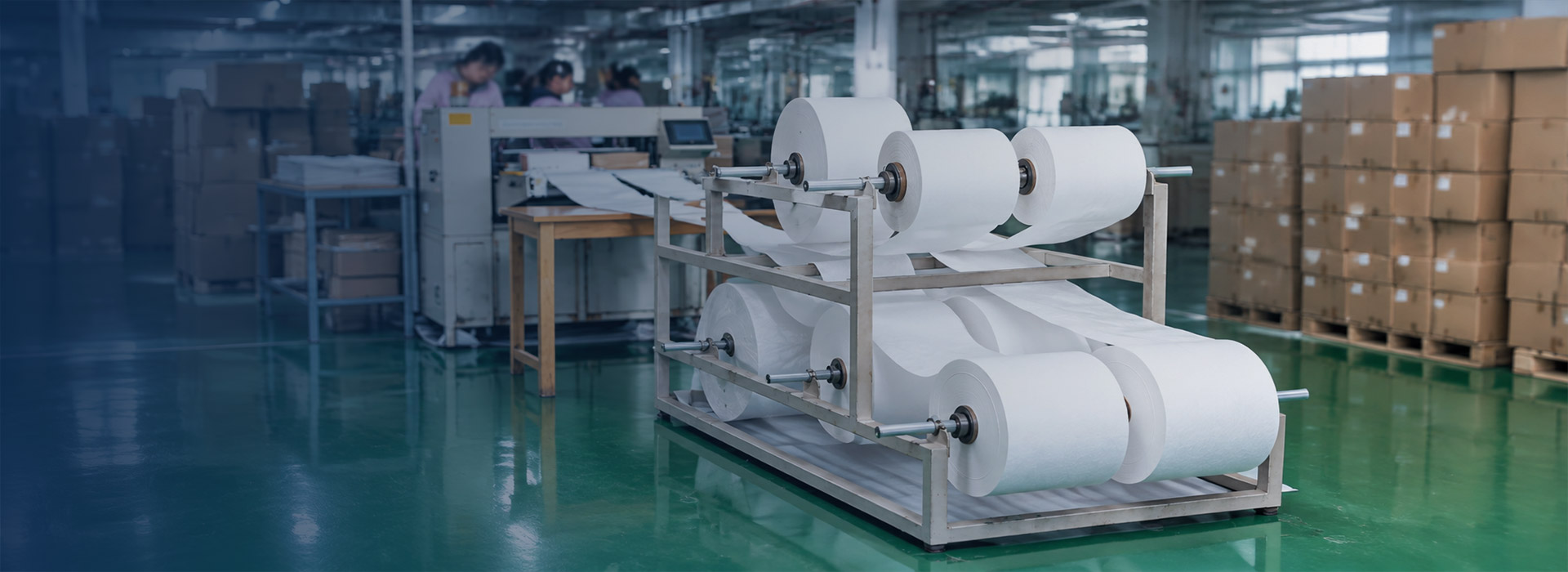
Liquid Filter Cartridge Solutions
FiltEdge offers over 100 liquid filter cartridges for industrial liquid filtration and process filtration. The products cover different structures such as melt blown filters, wire wound filters, folding filters, membrane filters, high flow filters, and stainless steel filters. The filtration media include PP, PES, PTFE, nylon, polyester, cellulose, and stainless steel. Different products can provide different filtration levels to meet different liquid filtration requirements.
You can choose the appropriate filter element based on the liquid type, pollutant load, required filtration accuracy, flow rate, operating temperature, chemical compatibility, and existing filter housing. This not only determines the required filtration level, but also better matches the structure, material, and actual operating conditions of the filter element.
Liquid Filter Cartridge Types
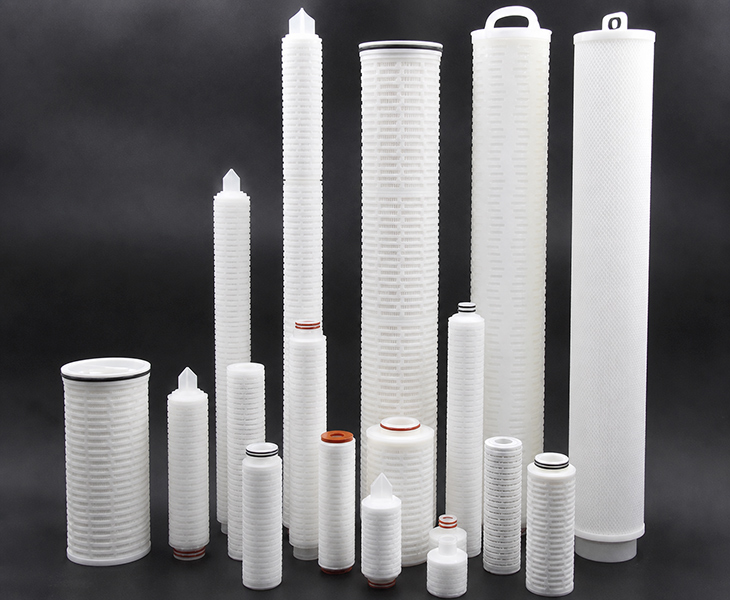
FiltEdge offers over 100 liquid filter cartridges, covering different filter structures, media, and micron levels. You can start with the type of liquid and pollutants, and then narrow down the selection range based on filtration accuracy, flow rate, temperature, pressure difference, and existing Filter Housing; If your working conditions are quite special, you can also directly hand over the operating parameters to us for matching.
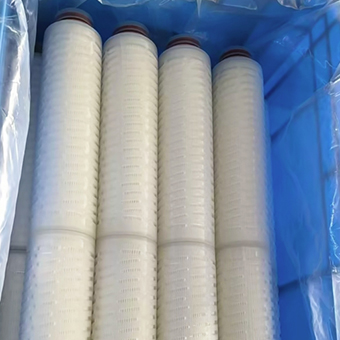
PP (polypropylene) filter cartridges cover common structures such as melt blown and folded, and can provide different filtration levels and size options. For water, chemical liquids, and general industrial process liquids, PP filter cartridges can usually be used for working conditions below 80 ℃; If you are more concerned about the daily filtration and replacement costs, the cost-effectiveness of PP is also an important reason for its widespread adoption.
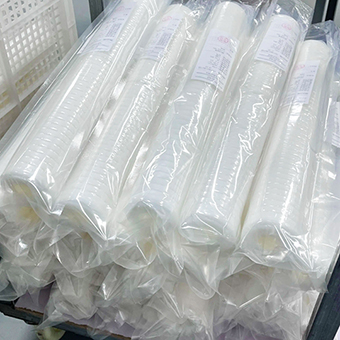
PES (Polyether Sulfone) filter cartridges are commonly used in filtration grades including 0.1, 0.2, 0.45, and 1 μ m, designed specifically for pharmaceutical, electronic grade precision filtration, and other conditions that require high particle control. For situations where more stable retention performance is required, products with an absolute precision of β ≥ 5000 and a dissolved substance below 10 ppm can be selected.
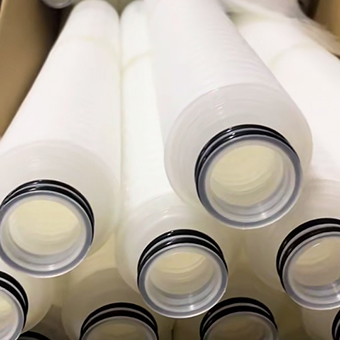
Polyester filter cartridge is resistant to hydrolysis and has good mechanical strength. It is relatively stable for systems that use water-based media for a long time and can withstand high loads.
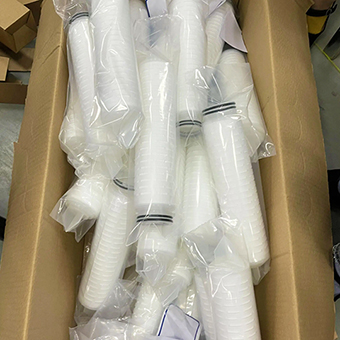
When encountering strong acids, strong bases, or halogen solvents, PVDF filter cartridges are a common option and are commonly used for filtering corrosive liquids.
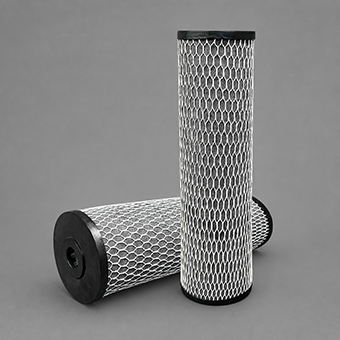
Activated Carbon filter can adsorb some soluble pollutants, odors, and chromaticity, which is beneficial for the taste and odor of the finished product; Installed at the front end, it can also extend the lifespan of the reverse osmosis membrane at the back.
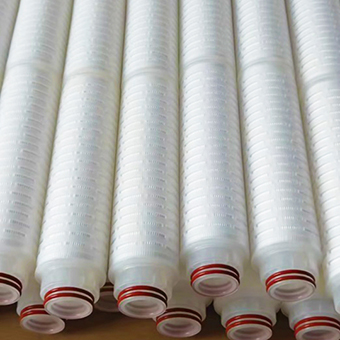
PTFE (polytetrafluoroethylene) has strong hydrophobicity and good resistance to most common chemicals, including some strong oxidants. If your liquid has strong corrosiveness or requires very high chemical compatibility of the filter material, PTFE is usually the preferred choice.
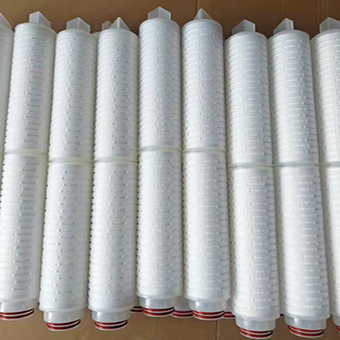
Glass Fiber filter cartridges can achieve a good balance between fine particle filtration and pollutant holding capacity, with common grades including 0.2, 0.45, 1, 5, and 10 μ m. If your filter often clogs quickly due to high particle load, you can focus on comparing the effective filtration area and pollutant holding capacity of fiberglass filter materials.
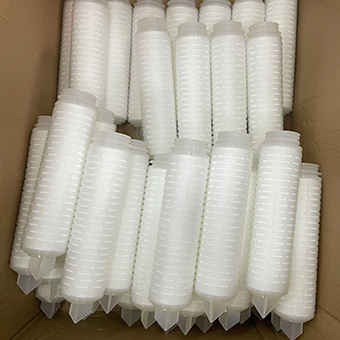
Nylon filter element is naturally hydrophilic and does not contain surfactants. It has good adaptability to alcohols, hydrocarbon solvents, and high-purity water. Nylon is also commonly used for liquid filtration with high requirements for low extraction and metal ion control.
Liquid Filter Cartridges for Different Flow Requirements
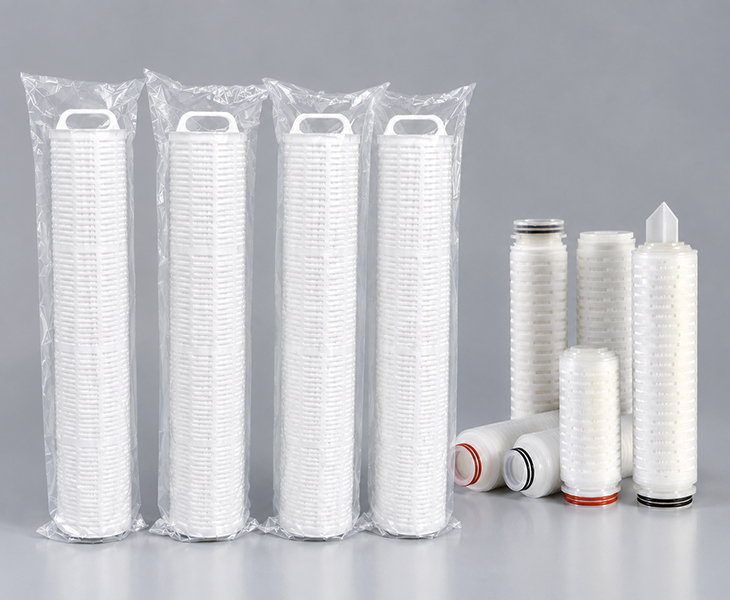
The standard filter element does not have to be replaced as soon as the flow rate increases. As long as the flow rate, pressure difference, and replacement cycle of the existing solution are acceptable, continuing to use Standard Flow is usually simpler. The situation that is truly worth considering for High Flow is often when the system flow increases, and ordinary filter cartridges need to be added one by one, eventually becoming more than ten or even more, and the housing also increases accordingly. The time and labor cost of changing filter cartridges become increasingly high. The High Flow Filter Cartridge can solve this problem from another perspective: the common outer diameter is about 152 mm (6 inches), with lengths of 20, 40, and 60 inches. Depending on the filter material and filtration level, a single water treatment flow rate can reach 45-60 m ³/h. If you have encountered too many filter cartridges, housing occupying space, rapid pressure drop rise, or frequent replacement, you can actually compare High Flow with existing standard filter cartridge solutions. FiltEdge will combine your flow rate, liquid viscosity, filtration grade, and existing housing to help you determine if a switch is necessary.
Replacement Filter Cartridges
Do you want to move the existing housing, just find a suitable replacement filter? FiltEdge can be manufactured and replaced on a one-to-one basis based on your original filter cartridge size, end caps, seals, filter materials, and filtration grade, such as lengths of 10, 20, 30, and 40 inches and filtration accuracy of 0.1-100 μ m. You only need to provide the original filter element model, size or photo, and we will further confirm the end structure and sealing specifications of DOE, 222, 226, flat mouth, etc., to achieve in-situ replacement for you.
Custom Liquid Filter Cartridges
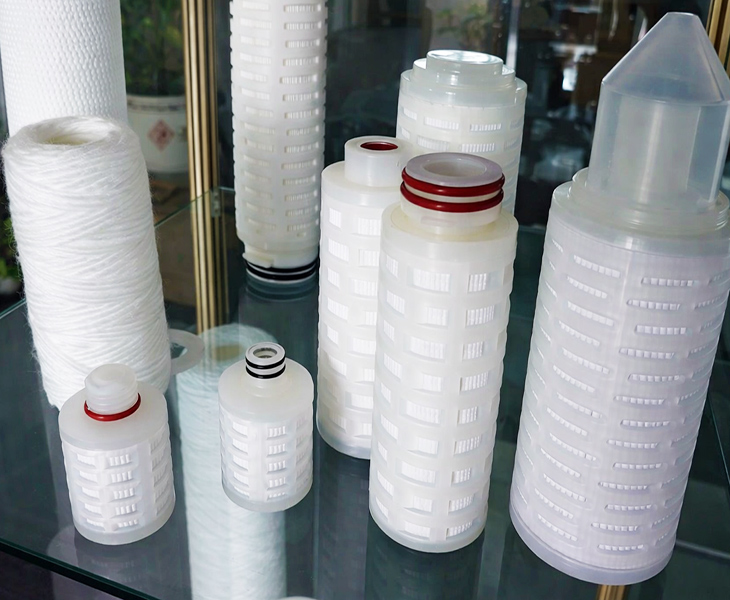
FiltEdge can customize the size, filter material, filtration grade, end structure, and sealing method of the filter element for you. We can also provide you with a more detailed evaluation for special high viscosity, high particle load conditions, or special chemical media. Customize based on your actual working conditions to make the filter more suitable for your needs
Why Choose FiltEdge Liquid Filter Cartridges?
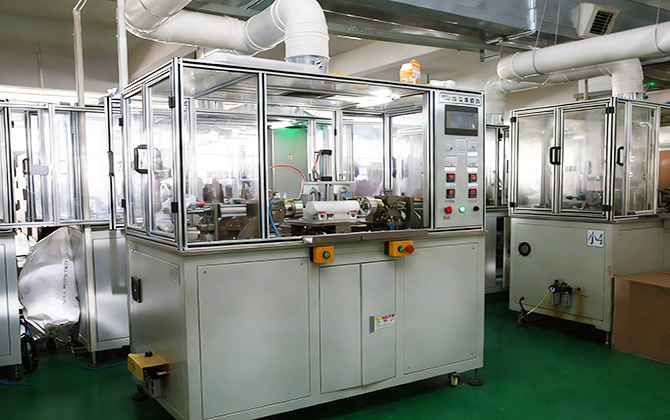
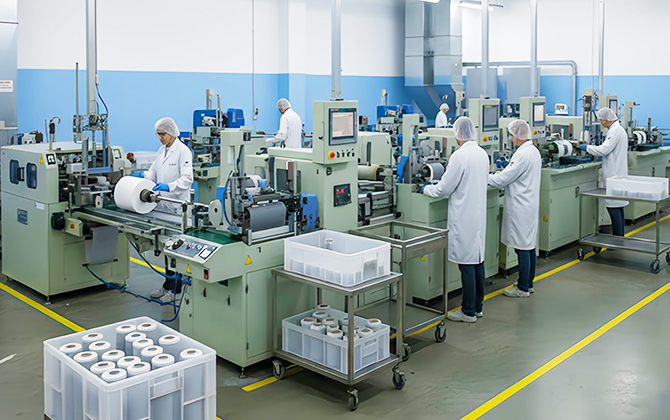
FiltEdge relies on over 20 years of experience in the filtration industry to provide you with filtration solutions ranging from operating condition analysis, filter element selection to filtration equipment configuration. You can also receive remote technical support, free installation guidance and on-site installation services, as well as upgrade services for old equipment. FiltEdge has offices and warehouses in both China and the United States, making it easier for you to communicate projects and arrange shipments more quickly. For more services and liquid filter cartridges products, please contact us for detailed consultation.
Liquid Filter Cartridge Applications
The requirements for liquid filtration vary among different applications. You need to pay attention not only to the filtration grade, but also to the particle type, pollution load, temperature, chemical compatibility, and subsequent process requirements in the liquid. FiltEdge offers Liquid Filter Cartridges in different materials and structures, making it easy for you to choose based on actual working conditions.

Solid particles, crystals, or process impurities in chemical liquids are prone to wear on pump valves and block heat exchangers. The corrosiveness and temperature of the medium often determine the material selection – for example, PTFE or PVDF are preferred for strong acid conditions, and nylon or polyester can be used as the solvent system. Choosing deep or folded structures based on pollution load can effectively extend the maintenance interval of downstream equipment.
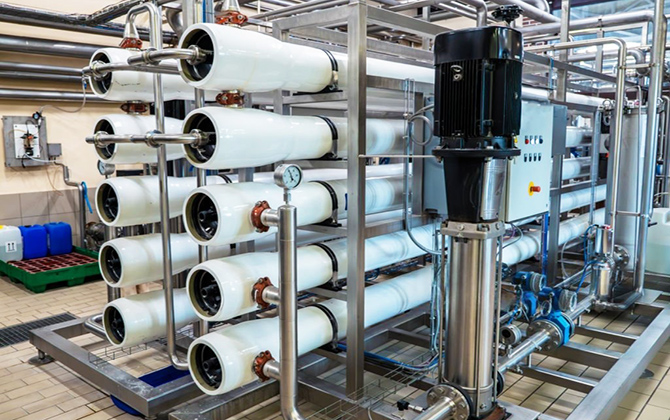
From sediment and rust in raw water to suspended solids in circulating water, particles from different sources pose different threats to subsequent equipment. Pre RO protection usually uses 1-5 μ m melt blown or wire wound filter cartridges to reduce the particle load entering the RO membrane, minimize membrane fouling and pressure drop rise; If the turbidity of the incoming water is high, it is recommended to use a 50 μ m coarse filter to reduce the front-end load before entering the fine filtration section. Adjusting the filtration level based on the incoming water quality can help reduce the RO membrane fouling load and extend the cleaning cycle.
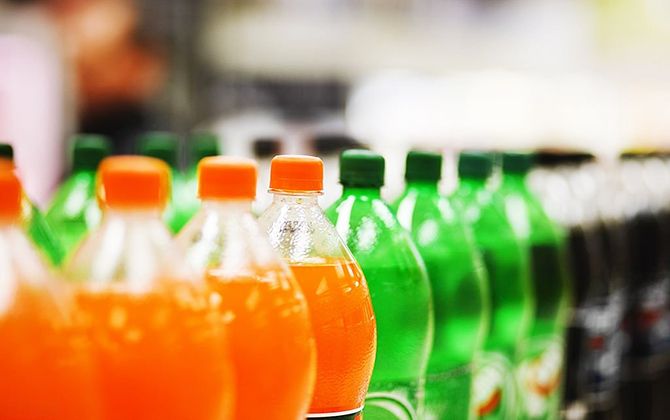
Syrup, process water, and beverages themselves have different requirements for filter cartridges. When controlling small particles, PES membrane filter can be chosen; If the liquid treated with activated carbon still contains a small amount of carbon powder, a 1-5 μ m deep filter element can be attached at the back for interception. For products used in contact with food, it is also necessary to confirm whether the filter material and sealing components comply with FDA or EC requirements based on your application.
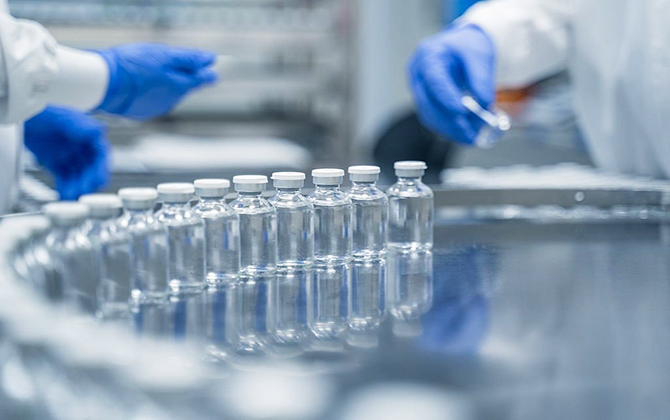
Pharmaceutical processes place greater emphasis on particle retention, low extraction, and integrity of filter cartridges. For example, 0.2 μ m PES or PTFE membrane filters can be used for sterilization filtration, and the integrity of the filter can be confirmed through bubble point or diffusion flow testing; If filtering solvents or corrosive process liquids, first confirm the chemical compatibility of the filter material before determining the specific model.
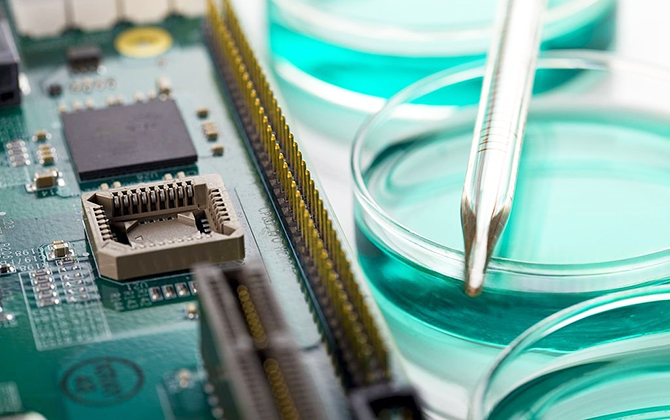
Ultra pure water, electronic chemicals, and CMP slurries are all sensitive to particle control, especially for fine filtration at the 0.1-0.2 μ m level. PES and PTFE membrane filter cartridges can be used for back-end fine filtration; When facing high viscosity liquids such as photoresist and slurry, it is necessary to consider both the effective area of the filter element and the pressure difference, rather than just focusing on the filtration accuracy.
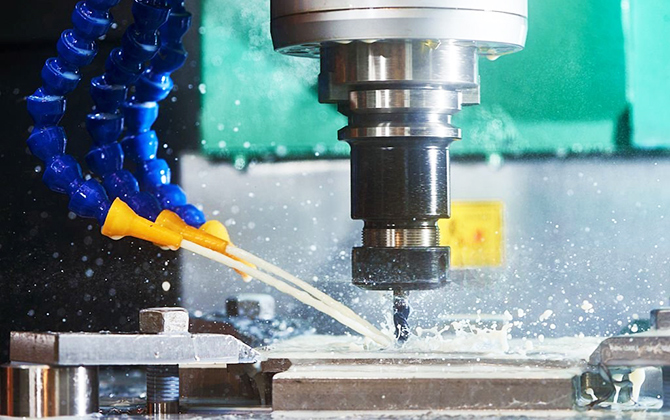
Coolant, cleaning fluid, and cutting fluid are prone to introducing metal shavings, abrasive particles, and other solid impurities during circulation, and clogging the filter element quickly is often more troublesome than insufficient filtration accuracy. When the pollution load is high, one can start with deep filter elements such as melt blown and wire wound filters; If higher temperature, viscosity, or continuous operation requirements are needed, washable sintered filter cartridges can also be considered to reduce frequent replacement.
Liquid Filter Cartridge Specifications
The following parameters are used to help you quickly understand the common configurations of Liquid Filter Cartridges. The actual specifications may vary depending on the filter material, structure, and operating conditions, and the specific selection is subject to the corresponding product parameters.
- Liquid Filter Cartridge Specifications
- Liquid Filter Cartridge Filtration Ratings
- Selection Guide
- Filter Media
| Parameter | Common Range / Options | Description |
| Filter Media | PP, PES, PTFE, Nylon, PVDF, Glass Fiber, Activated Carbon, Sintered Stainless Steel, Sintered Titanium, Sintered Nickel Alloy, Ceramic, PE, PA, Polyester, etc. | Select according to liquid properties, temperature, and chemical compatibility. |
| Filter Cartridge Structure | Melt Blown, String Wound, Pleated, Membrane, Sintered | Different structures correspond to different filtration mechanisms, dirt-holding capacities, and flow characteristics. |
| Filtration Rating | 0.1–350 μm | The specific range depends on the filter media and cartridge structure. Nominal or absolute filtration ratings are available. |
| Filter Cartridge Length | 5″, 10″, 20″, 30″, 40″, 50″, 60″, etc. | 10″ and 40″ are common specifications and can also be matched according to the Housing size. |
| Outer Diameter | Standard filter cartridges: approx. 61–70 mm; High Flow filter cartridges: approx. 152–160 mm | High Flow structures use a larger diameter to increase the effective filtration area. |
| End Cap Structure | DOE, SOE; 222, 226, Flat, Spear, etc. | Select according to the existing Housing and sealing requirements. |
| Seal Material | NBR, EPDM, FKM, Silicone, PTFE, etc. | Select according to the chemical properties of the liquid and operating temperature. |
| Operating Temperature | PP/PES/Nylon usually ≤80°C; PVDF usually ≤100°C; Sintered metals can be used in >200°C applications | The actual operating temperature is limited by the filter media, structure, and sealing materials. |
| Maximum Operating Differential Pressure | Approx. 2.5–5.0 bar @ 20–30°C | The specific value depends on the filter cartridge structure, material, and operating temperature. |
| Flow Rate | Liquid filter cartridge flow rate according to product structure and operating conditions | Liquid viscosity, filtration rating, filter media, and allowable differential pressure all affect the actual flow rate. |
| Chemical Compatibility | Determined according to filter media and liquid properties | Strong acids, strong alkalis, solvents, and high-temperature applications require separate compatibility confirmation. |
| Filtration Area | Determined according to filter cartridge size and structure | Pleated structures can increase the effective filtration area within a limited Housing space. |
| Filtration Rating | Typical Filtration Range | Typical Applications | Corresponding Product Examples |
| Coarse Filtration | 25–150 μm | Intercepts larger particles, sediment, rust, and processing impurities. Usually used as pre-filtration to reduce the contamination load of downstream filter cartridges. | String Wound Filter Cartridges, Melt Blown Filter Cartridges |
| Medium Filtration | 5–25 μm | Suitable for general industrial liquid filtration, balancing particle removal, flow rate, and filter cartridge service life. | String Wound Filter Cartridges, Depth Filter Cartridges, Melt Blown Filter Cartridges |
| Fine Filtration | 1–5 μm | Used to further remove fine suspended particles and suitable for processes with higher requirements for liquid cleanliness and clarity. | Pleated Filter Cartridges, Glass Fiber Filter Cartridges, Melt Blown Filter Cartridges |
| Ultrafine Filtration | 0.1–1 μm | Used for fine particle control in critical processes. If clear absolute retention performance or integrity verification is required, membrane filtration structures should be considered first. | PES Membrane Filter Cartridges, PTFE Filter Cartridges, Nylon Filter Cartridges |
| Your Operating Condition | Recommended Filtration Mechanism | Recommended Structure | Why Choose It |
| High solids content, wide particle size distribution, no requirement for absolute retention accuracy, and longer filter cartridge replacement cycles are desired | Depth Filtration | Melt Blown Filter Cartridge | Uses a gradient density structure to retain particles layer by layer inside the filter media, making it less likely to clog quickly and suitable for liquids with high contaminant loads. |
| Significantly high solids content, such as paint and adhesive liquids, and higher contaminant-holding capacity is required | Depth Filtration | String Wound Filter Cartridge | Continuous fibers are wound to form deeper filtration channels, which can hold particles of different sizes. If your liquid is relatively “dirty,” the string wound structure is usually worth considering first. |
| High-temperature or high-viscosity liquids, or you do not want to frequently purchase disposable consumables and can accept a higher initial investment | Depth Filtration | Sintered Filter Cartridge | The rigid porous structure is not easily deformed. Depending on the material and operating conditions, backblowing, backwashing, or other cleaning methods can be used for repeated use. It is more suitable for high-temperature, high-viscosity, and long-term operating conditions. |
| Large system flow rate, or a large number of existing filter cartridges, with a need to increase processing capacity within limited installation space | Surface Filtration | Pleated Membrane Filter Cartridge | The pleated structure increases the effective filtration area, allowing a higher processing flow rate within the same installation space while helping reduce initial differential pressure. |
| Absolute removal of particles above a certain size is required, or the process requires integrity verification, such as sterilizing filtration or electronic-grade filtration | Surface Filtration | Uniform Pore Membrane Filter Cartridge | The membrane has a relatively narrow pore size distribution and a steeper retention curve, providing clearer absolute retention performance. Bubble point and diffusion flow integrity tests can also be performed according to membrane material and application requirements. |
| Filter Cartridge Material | Applicable Applications | Limitations to Note | View Product |
| Polypropylene (PP) | General-purpose filter media, suitable for most aqueous solutions, acid and alkali solutions, and some organic media, with a common operating temperature of up to 80°C. If you pay more attention to purchase and replacement costs, PP has a relatively high cost performance and is commonly used for water treatment, plating solutions, and general chemical liquid filtration. | Not suitable for strong oxidizing media and some high-temperature organic solvents. Actual compatibility needs to be confirmed based on medium concentration and temperature. | → PP Filter Cartridge |
| Polyethersulfone (PES) | PES (Polyethersulfone) is suitable for fine particle liquid filtration, with common filtration ratings including 0.1, 0.2, 0.45, and 1 μm. For pharmaceutical, ultrapure water, and processes requiring integrity verification, PES membrane filter cartridges can be considered. | Long-term high-temperature use or contact with strong organic solvents may affect the membrane structure. The specific operating temperature and chemical compatibility should be confirmed according to actual operating conditions. | → PES Filter Cartridge |
| Polytetrafluoroethylene (PTFE) | PTFE has strong chemical stability and hydrophobicity and is suitable for highly corrosive liquids and some strongly oxidizing media. If your operating condition focuses most on the chemical compatibility of the filter media, PTFE is usually one of the preferred materials. | Relatively high cost, and the membrane structure is sensitive to mechanical stress. Specific resistance still needs to be confirmed according to chemical type, concentration, and temperature. | → PTFE Filter Cartridge |
| Nylon (Nylon) | Nylon has natural hydrophilicity and low extractables. It is suitable for alcohols, some esters and hydrocarbon solvents, and is also commonly used for ultrapure water fine filtration. For processes with requirements for metal ions and extractables, you can focus on comparing nylon filter media. | Not suitable for strong acids and strong oxidizers. Some polar solvents may cause material swelling. Compatibility should be checked before use. | → Nylon Filter Cartridge |
| Polyvinylidene Fluoride (PVDF) | PVDF (Polyvinylidene Fluoride) has good chemical resistance and is suitable for acidic media, some halogens and chlorinated solvents, with relatively low protein adsorption. For biopharmaceutical and chemical liquid fine filtration, PVDF can be selected according to specific operating conditions. | Limited resistance to high-concentration strong alkalis and some polar aprotic solvents. The specific medium and temperature should be confirmed before use. | → PVDF Filter Cartridge |
| Glass Fiber (Glass Fiber) | Glass Fiber is suitable for depth filtration and has a high dirt-holding capacity. It can be used for colloids, emulsified oil, and liquids with high contamination loads as pre-filtration. If a membrane filter cartridge is used downstream, glass fiber can also help reduce the upstream particle load. | Usually used for pre-filtration or as part of a composite filter media. When fiber shedding is a concern, attention should be paid to the filter media fixing method and product structure. | → Glass Fiber Filter Cartridge |
| Activated Carbon (Activated Carbon) | Activated Carbon reduces some dissolved organic substances, residual chlorine, color, and odor in liquids through adsorption. If your process has requirements for odor and taste, or you want to reduce the contamination load on an RO membrane, an activated carbon filter cartridge can be installed upstream. | Activated carbon is mainly used for adsorption and cannot replace particle filtration. A particle filter is usually installed downstream to reduce carbon powder or particles entering the subsequent system. | → Activated Carbon Filter Cartridge |
| Sintered Stainless Steel (304/316L) | Uses a rigid porous structure and can be cleaned by backblowing, backwashing, or other methods for repeated use according to operating conditions. Suitable for high-temperature, high-pressure, high-viscosity liquids and liquids containing abrasive particles, especially where long-term consumable costs need to be reduced. | Initial investment is usually higher than disposable filter cartridges. For strongly corrosive media, corrosion resistance should be checked according to the specific material, concentration, and temperature. | → Sintered Filter Cartridge |
| Sintered Titanium and Titanium Alloy | Titanium and titanium alloys have good corrosion resistance and mechanical stability and are suitable for corrosive liquids such as seawater, some chlorine-containing media, and nitric acid. In pharmaceutical, electronics, and seawater treatment applications with high requirements for material stability, sintered titanium filter cartridges can be considered. | High cost and processing difficulty. Fluoride-containing media and some strongly reducing acid environments require special material compatibility confirmation. | → Sintered Titanium Filter Cartridge |
| Sintered Nickel Alloy | Nickel Alloy, including some Hastelloy and Monel alloys, is suitable for high-temperature, highly corrosive, and high stress-corrosion-risk conditions. For petrochemical, offshore, and special media such as acetic acid and phosphoric acid, the corresponding alloy can be selected according to the specific concentration. | High material cost. Different nickel alloys have significant differences in corrosion resistance. Before selection, the material data should be checked according to the specific medium concentration, temperature, and pressure. | → Sintered Alloy Filter Cartridge |
| Sintered Ceramic | Ceramic filter cartridges have high hardness, wear resistance, and high-temperature resistance, and the pore size can be controlled through the sintering process. Suitable for food and beverage, pharmaceutical, high-purity water, and abrasive liquids containing hard particles. | Ceramic materials are relatively brittle and sensitive to mechanical impact and rapid temperature changes. Avoid collision during installation and maintenance. | → Ceramic Filter Cartridge |
| Sintered Polyethylene (PE) | PE (Polyethylene) sintered filter cartridges have good chemical stability and relatively low material cost. They are suitable for normal-temperature water treatment, plating solution coarse filtration, and applications requiring cleaning and repeated use. If you need a normal-temperature, low-cost cleanable filter cartridge, PE can be one option. | Common operating temperature is usually no more than 80°C. Not suitable for strong oxidizers and some aromatic solvents. | → PE Sintered Filter Cartridge |
| Sintered Polypropylene (PP) | PP (Polypropylene) sintered filter cartridges combine the chemical stability of polypropylene with the mechanical support of a sintered structure. They can be used for chemical liquid filtration and some applications requiring repeated cleaning. Common operating temperature can reach approximately 100°C, depending on the structure and operating conditions. | Not suitable for strongly oxidizing media. In low-temperature environments, changes in material toughness and mechanical properties need to be considered. | → PP Sintered Filter Cartridge |
| Sintered Polytetrafluoroethylene (PTFE) | PTFE (Polytetrafluoroethylene) sintered filter cartridges combine the chemical stability of PTFE with the rigidity of a sintered structure. They are suitable for strongly corrosive chemical liquids and some organic solvent filtration. If you need both high chemical compatibility and repeated cleaning, this structure can be considered. | High material cost and processing difficulty. The specific operating temperature, pressure, and cleaning method need to be confirmed according to the filter cartridge structure. | → PTFE Sintered Filter Cartridge |
| Sintered Nylon (PA) | PA (Nylon) sintered filter cartridges retain the hydrophilicity and organic solvent resistance of nylon, while the sintered structure improves mechanical stability and cleanability. For organic solvents, oils, and liquid filtration applications requiring repeated use, selection can be made according to actual temperature and medium. | Not suitable for strong acids and strong oxidizers. Nylon has a certain degree of water absorption, so dimensional stability needs to be considered in environments with large changes in humidity or temperature. | → Nylon Sintered Filter Cartridge |
Don’t rush to replace the finer filter element for now. If you are filtering high viscosity liquids, waxy liquids, gelatinous substances, or if there are already many solids inside, it is normal for the filter element to clog quickly. You can first check if there is a coarse filter in front, and then see how much solid actually enters the filter element.
Not necessarily. The finer the filtering level, the higher the initial pressure difference and faster clogging speed. For example, your process only needs to remove larger suspended particles, but using a 1 μ m filter element will naturally result in finer filtration, but the lifespan and flow rate of the filter element may not be cost-effective. When selecting, first determine the particle size that needs to be intercepted, and then decide on the filtration level.
You need to consider factors such as liquid viscosity, impurity content, particle diameter, and filter area comprehensively, rather than just looking at the flow rate on the filter catalog.
If there are many large particles in the liquid, directly replacing the filter with a finer one is usually not a good solution. Graded filtration is more suitable for this situation: the front filter element first processes sediment, rust, and larger solids, while the rear filter element is responsible for fine particles. This way, the load on each level is reduced, and the rear precision filter element is not easily clogged.
Sure, but pay attention to the pressure difference of the filter element. Especially after the filter element gradually becomes clogged, the pressure at the pump inlet will also decrease accordingly. If you really need to filter on the suction side, it is recommended to choose a filter element with a large filtration area and low pressure difference; If it is only to protect the pump, it is usually more appropriate to use a coarse filter in front.
How to Choose the Right Liquid Filter Cartridge?
When choosing a filter element, you cannot only consider accuracy from a single perspective. It is necessary to comprehensively consider the properties of the liquid, pollutants, flow rate, pressure, and your equipment in order to determine a filter element structure and material that is more compatible.
5-Step Selection Guide
- Identify Your Liquid
Firstly, you need to consider the type of liquid being filtered, such as water, oil, chemical, or other process fluids. Next, consider the viscosity, temperature, and chemical properties of the liquid. This can better select the material of the filter element and avoid damage caused by material mismatch.
- Identify the Contaminant
The particle size distribution and content of impurity particles are different, and the requirements for the structure and accuracy of the filter element are also different. So you need to confirm what impurities need to be removed, such as sediment, suspended particles, solids, metal particles, carbon fines, or other process impurities.
- Determine Required Micron Rating
Based on the subsequent process requirements of your filtration system, determine whether to use nominal rating or absolute rating for the filter element, such as 50 μ m, 5 μ m, 1 μ m, or 0.2 μm.
- Check Flow & Pressure
Confirm the flow rate of the liquid filter cartridge, working pressure, and allowable pressure difference of the system. If the filter element is subjected to high flow or high pollution load for a long time, a small filtration area may lead to a rapid increase in pressure difference; At this point, larger filtering areas, High Flow Filter Cartridge, or structures with higher pollutant holding capacity can be considered.
- Confirm Housing Compatibility
Finally, confirm whether the filter element matches your existing Filter Housing, including filter element length, outer diameter, interface form, end cap structure, and connection methods such as DOE, SOE, 222 or 226. If you are planning to directly replace the existing filter element, it is best to provide the original filter element model or size at the same time to avoid installation mismatch based solely on filtration grade selection.
Need help selecting a cartridge? Send us your operating conditions.
If you are unsure which filter element to choose, you can tell us the liquid type, viscosity, temperature, flow rate, working pressure, pollutants, and target filtration level. FiltEdge can help you narrow down your selection range based on your actual working conditions.