
What Is A Sintered Nickel Filter?
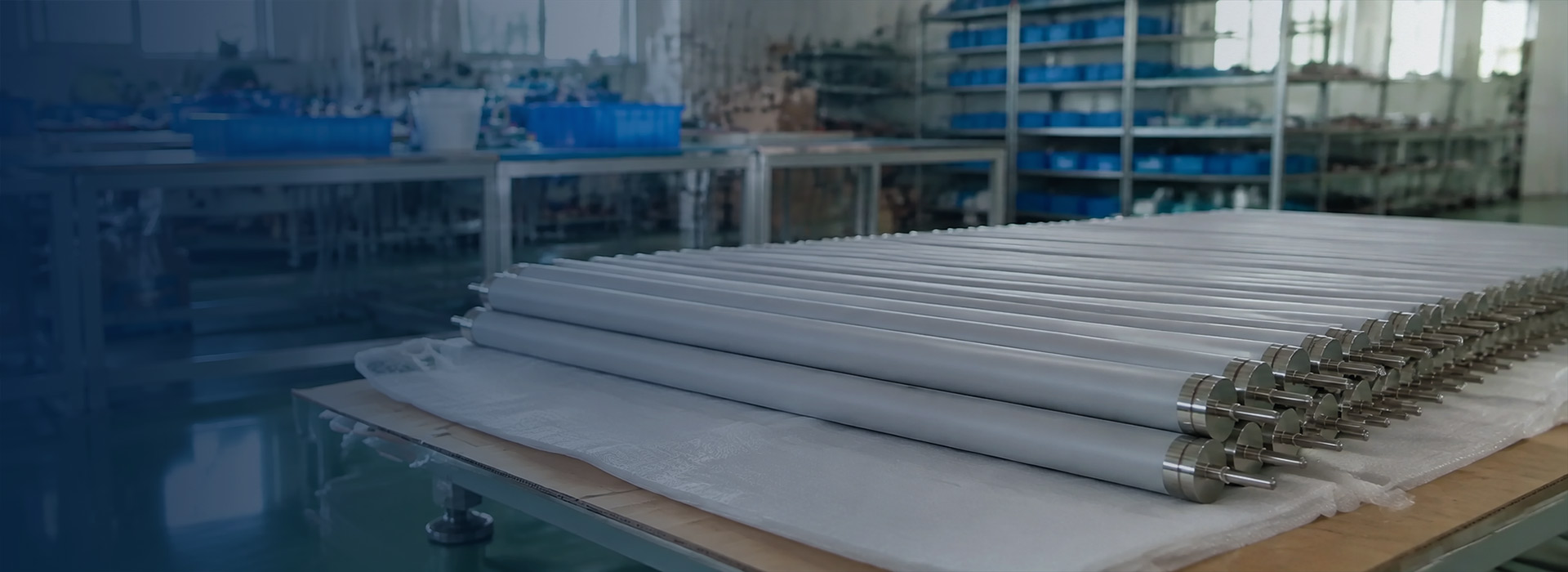
FiltEdge’s sintered nickel filter is a porous nickel filter formed by sintering metal powders with different nickel contents. The three-dimensional porous structure inside can help you intercept particles as low as 0.1 μ m through deep filtration. You can use Porous Sintered Nickel Filter in various working conditions such as fine chemical filtration, battery electrodes, catalyst carriers, etc.
FiltEdge can precisely control the sintering process according to your filtering needs and customize different gap structures of Sintered Nickel Filter Elements for you.
Sintered Nickel Filter Types
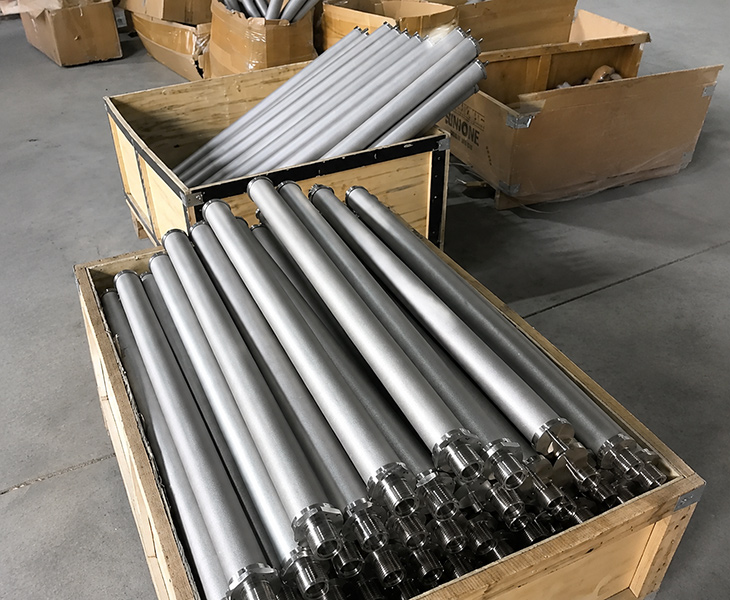
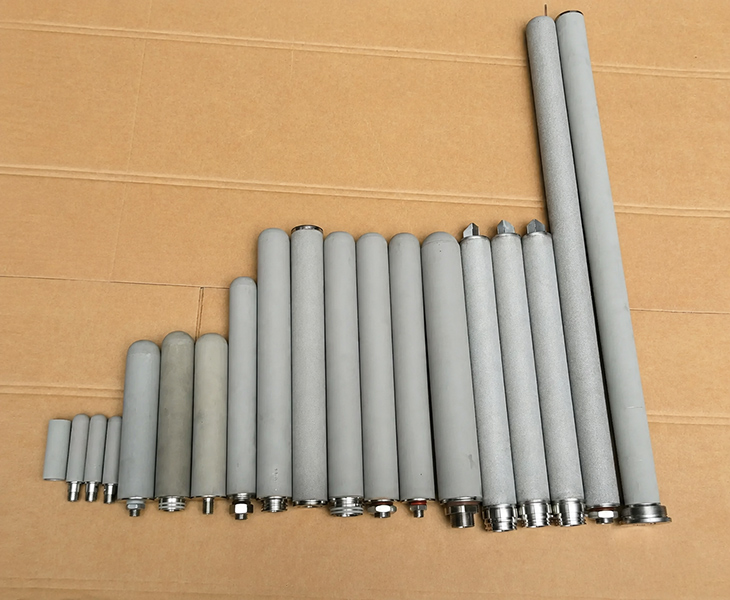
FiltEdge offers over a hundred models of sintered nickel filters to choose from, catering to different industries and processes. We can also customize special sintered nickel filters for you.
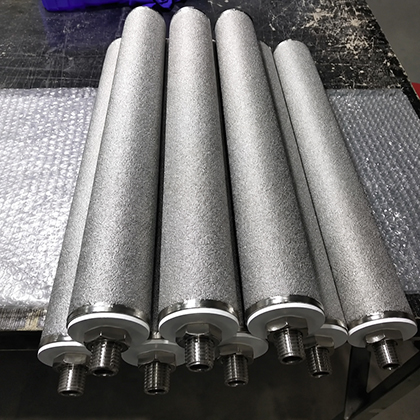
Supports multiple connection methods such as 222/226 interfaces, threads, flanges, etc; The filtration accuracy covers 0.2 μ m to 150 μ m, and the working temperature range is -200 ℃ to 650 ℃. Suitable for strong acid working conditions.
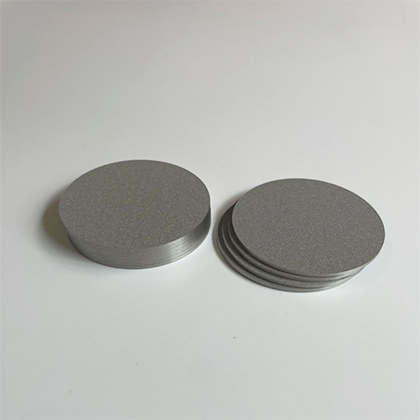
The thickness can be as thin as 0.5mm, with a diameter range of 5mm to 300mm. It is suitable for small flow precision filtration, instrument protection filtration, and laboratory analysis pretreatment.
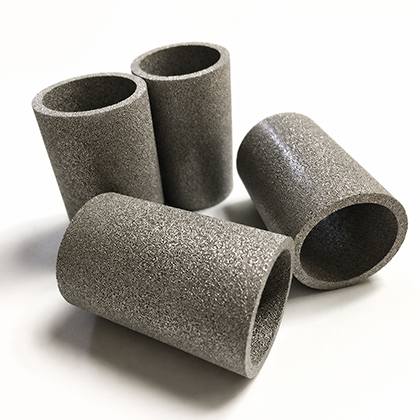
High temperature and high pressure resistance, with no welding forming process as a whole. The single length can reach 1200mm, with a diameter of 20mm to 200mm and a wall thickness of over 2mm.
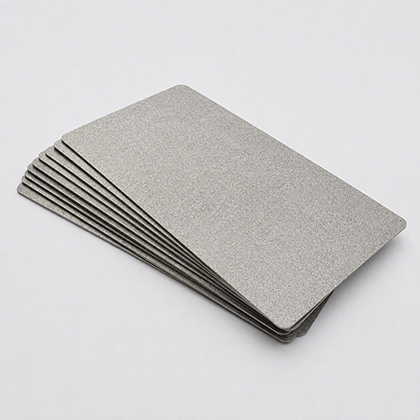 Sintered Nickel Filter Plate
The plate-shaped structure has various uses and can be customized with a thickness of 0.5mm to 10mm. The maximum size can reach 1000 × 330mm, and the filtration accuracy covers 0.2 μ m to 100 μ m.
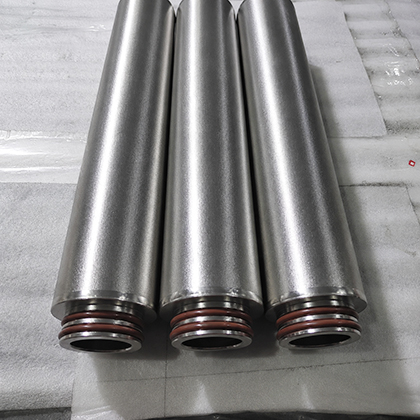
C22, C276 and other Hastelloy alloys are particularly suitable for extreme working conditions such as gas purification in semiconductor processes, filtration of high-temperature acidic media in petrochemicals, and pretreatment of seawater desalination.
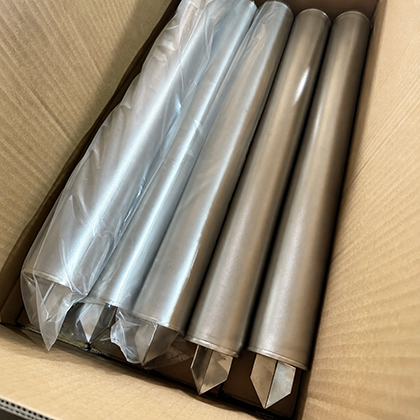 Inconel Sintered Filter
Using Inconel 600, 625 and other nickel chromium alloys as raw materials, the temperature can reach 800 ℃, and the filtration accuracy ranges from 0.5 μ m to 100 μ m.
The Advantages Of Sintered Nickel Filter
The Sintered Nickel Filter, with its 6 core advantages, can solve the harsh working conditions of high temperature, high pressure, and high corrosiveness that other ordinary filters cannot solve.

The Sintered Nickel Filter can withstand extreme high temperatures ranging from 500 ℃ to 1200 ℃, allowing you to easily filter polymer melt and high-temperature flue gas.

Compared to stainless steel materials, nickel sintered filter cartridges are more suitable for use in strong acid corrosive environments such as hydrochloric acid and sulfuric acid.

Usually, the porosity is about 40% -70%, and the accuracy covers 0.1-200 μ m. Based on your application, we can achieve cross scale pore size control from microfiltration to ultrafiltration for you.

It can withstand a high-pressure load of 55 bar (5.5 MPa), with a maximum design pressure difference of 0.69 bar. The sintered nickel filter has a sturdy structure and no risk of leakage.

The Sintered Nickel Filter strikes a balance between filtering accuracy and traffic, increasing your filtering efficiency to 99%.

Nickel filters can be restored and regenerated through various cleaning methods such as anti cleaning, anti pulse, ultrasonic, and online cleaning, extending their service life.
Applications Of Sintered Nickel Filters
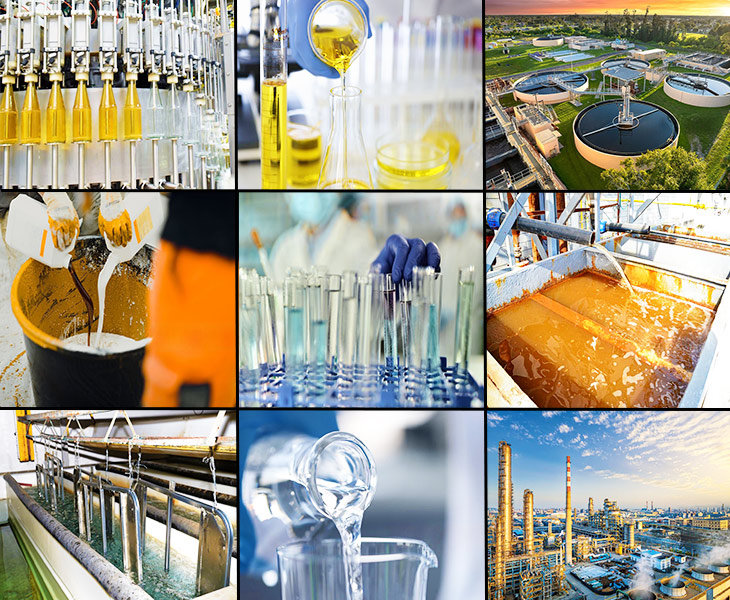
FiltEdge has a wide range of applications and can be used in industries such as chemical and petrochemical, pharmaceutical and food, electronics and semiconductor, environmental protection and water treatment. Help you handle high temperature, high pressure, corrosive filtration, gas-liquid separation, solid-liquid separation, and Oil&Process Fluid Filtration.
Custom Sintered Nickel Filter
As a supplier of sintered nickel filters, FiltEdge can customize sintered nickel filters according to your working conditions and market needs, including size, thickness, aperture, flow rate, pressure, shape, connection method, etc layer configuration、 As an important part of OEM/ODM, branding and other aspects can help you improve production efficiency and market share.
Quality Control Of Sintered Nickel Filter
The factory of FiltEdge’s sintered nickel filter strictly follows the ISO quality management system and adopts orderly manufacturing processes such as cold isostatic pressing (CIP) technology and vacuum controlled sintering. It also conducts strict quality inspection from the beginning of raw materials and provides corresponding reports, such as raw material testing, size inspection, bubble point testing, porosity inspection, airtightness testing, etc. Through orderly and rigorous production and testing, we ensure to provide you with high-quality sintered nickel filters
Cleaning And Maintenance Of Sintered Nickel Filter
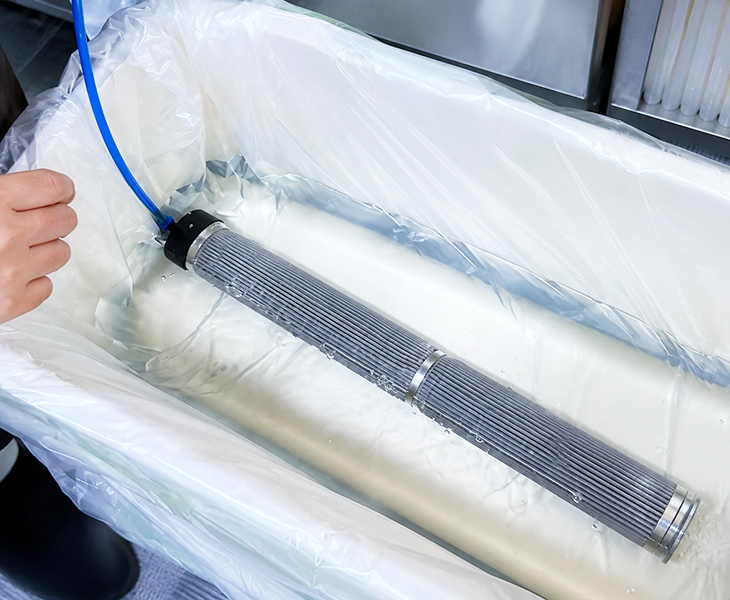
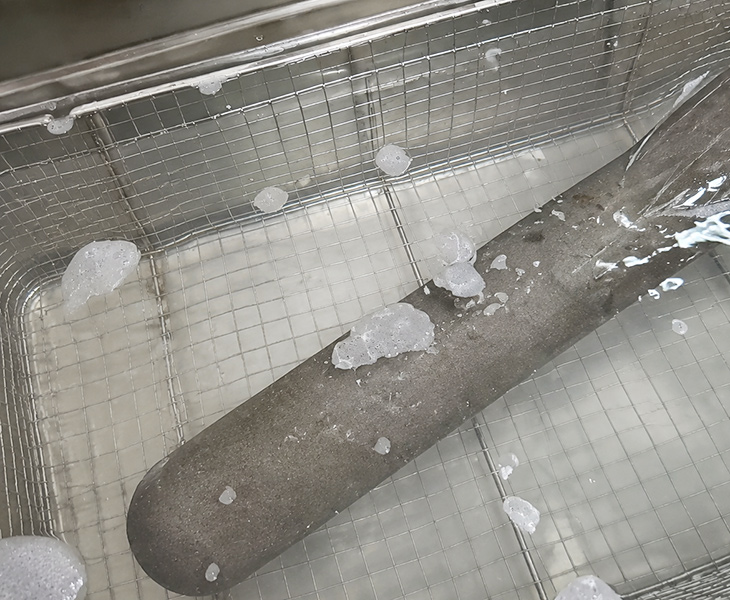
FiltEdge’s sintered nickel filter has a sturdy structure, stable chemical properties, and multiple cleaning methods to choose from, including Backwashing 、Reverse flushing 、Ultrasonic cleaning 、Chemical cleaning、Thermal cleaning And online cleaning and regeneration. You need to choose the appropriate cleaning method based on the filter material you use, the type of pollutant, and the operating conditions.
Why Choose FiltEdge's Sintered Nickel Filter?
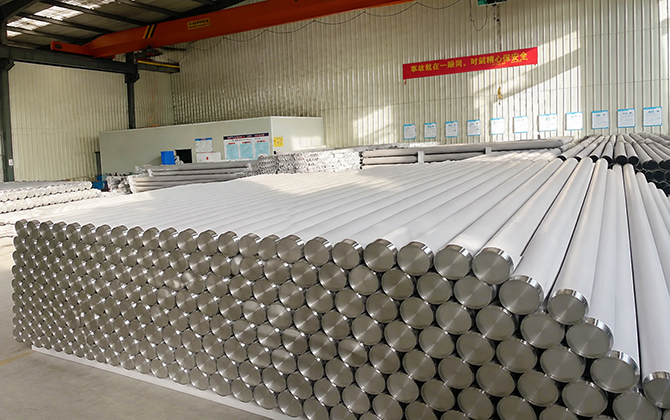
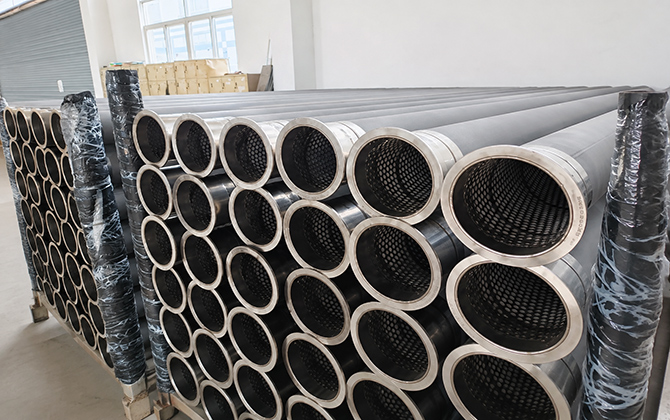
FiltEdge relies on the dual mode of American companies and Chinese factories to provide you with fast and efficient communication and shipping. Not only can we customize a sintered nickel filter for you, but we can also provide you with a complete set of filtering solutions. From the initial analysis of working conditions, equipment selection, to the preset inventory cycle of consumables in the later stage, on-site installation and maintenance, technical guidance, and upgrading of old equipment, all of these services can save you a lot of time and costs, allowing you to focus on your own production products and market.
Specification For Sintered Nickel Filter
FiltEdge’s sunken nickel filter, as a deep filtering element, is an important product for precision filtration. Here are its technical parameters, material comparison, and selection guide to help you quickly understand and select. Alternatively, you can contact us directly and we will analyze and design for you.
- Technical Parameters
- Material Comparison
- Selection Guide
| Parameter | Typical Value / Range |
| Material | Nickel & Nickel Alloys (e.g., Monel®, Inconel®) |
| Nickel Grade | Nickel 200, Inconel 600, 625, 690 |
| Filtration Rating | Liquid: 1.4 – 35 μm (Absolute) Gas: 0.1 – 100 μm General: 1 – 300 μm |
| Porosity | Typical: 35% – 75% Specific Design: 40% – 70% |
| Thickness | 0.5 mm – 10 mm (Customizable) |
| Diameter | Tube: Φ5 mm – Φ100 mm Sheet: Max. 1000 x 330 mm |
| Length | Up to 1200 mm (Seamless possible) |
| Operating Temperature | Standard: 800°C – 1200°C Specific Apps: Up to 1200°C |
| Operating Pressure | Standard: 3 MPa – 10 MPa (100 bar) High-Pressure: Up to 206.8 bar |
| Permeability | Correlates with porosity, pore size, and structure |
| Filtration Efficiency | Up to 99.9% |
| Surface Finish | Smooth, Sintered, or Welded |
| Shape | Tube, Plate, Sheet, Disc, Ring, Cone, Cylinder, Candle, Pleated |
| Connection | Welding, Thread (e.g., 1/4″, 1/2″), Flange, C-seal, etc. |
| Manufacturing Process | Powder Metallurgy (Cold Isostatic Pressing + Sintering) |
| Feature | Sintered Nickel | 316L Stainless Steel | Titanium | Ceramic |
| Temperature Resistance | Up to 800°C (standard); with coating modification, stable up to 1200°C; Nickel alloys (e.g., Inconel) withstand 800–1000°C | Service limit approx. 540°C; above this, embrittlement and microstructural changes occur | Approx. 300°C (working temperature) | Zirconia operates at >2000°C in oxidizing atmospheres; Alumina offers excellent thermal stability |
| Corrosion Resistance | Excellent acid resistance; withstands hydrochloric acid, sulfuric acid, acetic acid, and other strong acids; outperforms SS in high‑temp sulfur/chlorine/alkali environments | Moderate corrosion resistance; rapidly corrodes in high‑temp gases containing steam, sulfur, chlorine, or alkali | Excellent seawater resistance; suitable for desalination applications | Resists both acids and alkalis; TiO₂ shows exceptional chemical tolerance in both acidic and alkaline environments; hydrophilic surface resists fouling |
| Mechanical Strength | High; vacuum‑sintered neck structure provides excellent compressive strength and thermal shock resistance; pressure rating 3–5 MPa | High; porous SS pressure rating approx. 3–5 MPa | Good; working pressure approx. 2.0 MPa | High; excellent high‑pressure tolerance; brittle – low impact resistance |
| Chemical Compatibility | Suitable for strong acids, high‑temp corrosive gases, and alkaline solutions | Suitable for neutral and mildly corrosive fluids; not for high‑temp sulfur/chlorine/alkali environments | Suitable for seawater, biopharma, and food applications; not resistant to strong acids | Extremely high chemical stability; suitable for extreme pH environments; SiO₂ has hydrolysis instability in humid‑heat conditions |
| Porosity Control | Wide control range: 18%–70%; pore size 0.1–300 μm | Controllable: 18%–46%; pore size 1–100 μm | Approx. 30%–35% | Controllable; pore‑formers or laminated composites enable gradient pore structures |
| Cleanability | Excellent; supports backwashing, ultrasonic cleaning, and in‑situ regeneration; flux recovery >90%; service life 5–15 years | Cleanable and regenerable; supports backwashing | Cleanable | Excellent; supports intensive chemical cleaning; but higher cost |
| Typical Applications | Polymer melt filtration, chemical catalyst recovery, lithium‑battery electrolyte filtration, high‑temp flue gas purification | General liquid filtration, food & beverage, pharmaceuticals, water treatment | Seawater desalination, biopharma, food industry | High‑temp gas separation, corrosive fluid filtration, water treatment (membrane technology) |
| Step | Selection Criteria | Key Questions / Options | Technical Reference Data |
| 1 | Filtration Medium | What medium are you filtering? □ Gas / □ Liquid / □ Gas-Liquid (Mist) | — |
| 2 | Particle Size | What particle size needs to be removed? Target size: ______ μm | Typical range: 0.1 – 50+ μm |
| 3 | Filtration Rating | What rating do you require? □ Absolute (≥99.9% eff.) / □ Nominal (90–98% eff.) | Gas: 0.1 – 100 μm Liquid: 0.2 – 50 μm Test: Bubble point per ISO 4003 |
| 4 | Operating Conditions | Temperature / Pressure / Chemical environment? Temp: ______ °C / Press: ______ MPa / pH: ______ | Temp: Up to 800°C (1200°C coated) Press: 3.0 – 5.0 MPa (higher on request) Material: Nickel 200 / Inconel® / Hastelloy® |
| 5 | Flow Requirements | Flow rate and allowable pressure drop? Flow: ______ Nm³/h / ΔPmax: ______ bar | Porosity: 30% – 70% (typ. 35–45%) Permeability (air): 3 – 1300 m³/m²·h·kPa (ISO 4022) Higher porosity → lower ΔP, higher flow |
| 6 | Filter Geometry | What shape do you need? □ Disc / □ Tube / □ Cartridge / □ Plate / □ Custom | Disc: Φ5–300mm Tube: Φ20–200mm, L 100–1500mm Plate: max 1000×330mm Cartridge: 222/226 interface |
| 7 | Submit Specifications | How to get the final solution? Submit all specs above | Engineering recommendation within 48 hours |
Generally speaking, porous nickel filter and a subscribed nickel filter refer to the same product. Porous nickel filter is described from the dimension of the three-dimensional pore structure of the filter element; The sintered nickel filter is described from the production process of sintering.
Of course. Sintered nickel filters can be used for gas-solid separation. It can withstand high temperatures of 800 ℃ and acid corrosion resistance, and is commonly used in the following situations:
High temperature flue gas filtration: such as CEMS (Continuous Emission Monitoring System) sampling probe filtration
Compressed air purification: removing impurities, oil, and moisture from the air
Process gas purification: such as catalytic gas filtration, acid gas dry dust removal
Aseptic air filtration: used in industries such as pharmaceuticals and brewing
Of course. Sintered nickel filter is commonly used for solid-liquid separation. Its high filtration accuracy, no shedding, and repeatable cleaning characteristics make it widely used in the following industries.
Chemical industry: catalyst recovery, filtration of highly corrosive liquids (such as acid, alkali, salt solutions)
Pharmaceutical industry: Decarbonization filtration and fine filtration of large infusion and injection solutions
Food and beverage: clarification and filtration of beverages, alcoholic beverages, vegetable oils, and mineral water
Water treatment: Security filtration of seawater desalination reverse osmosis system, industrial wastewater treatment
Electronics industry: Pre filtration of ultrapure water systems