
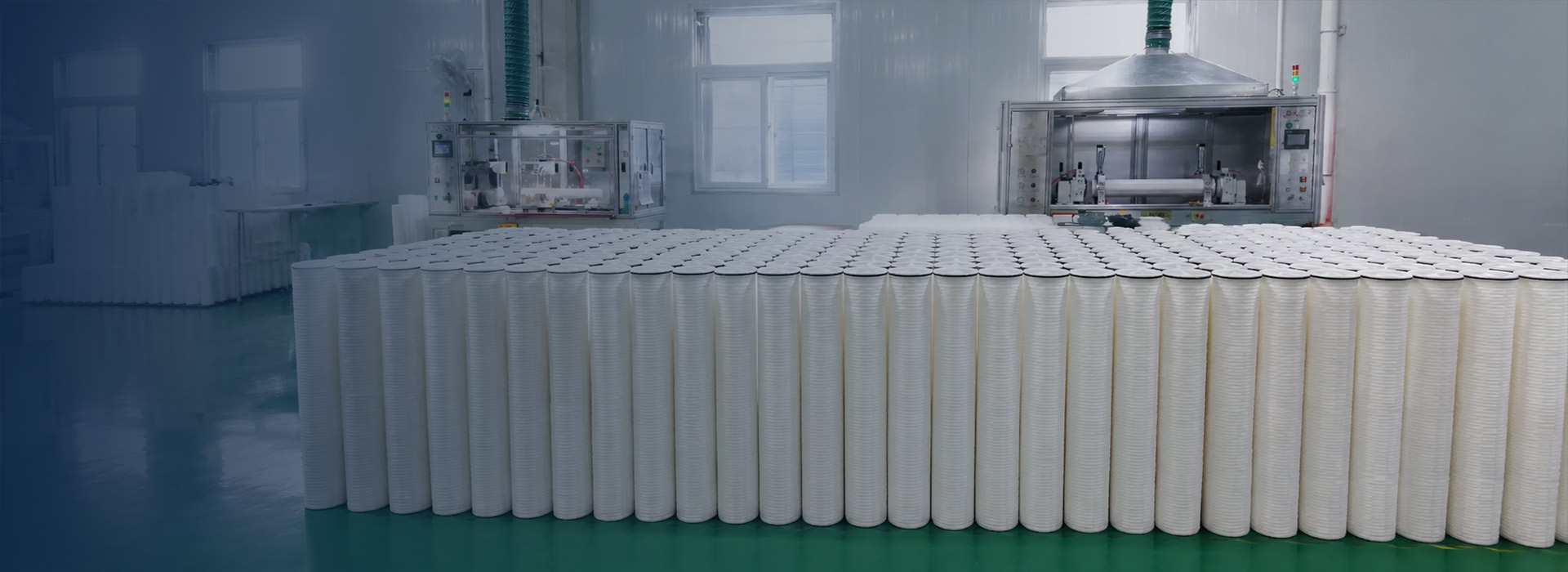
What Is FiltEdge's Petrochemical High Flow Filter?
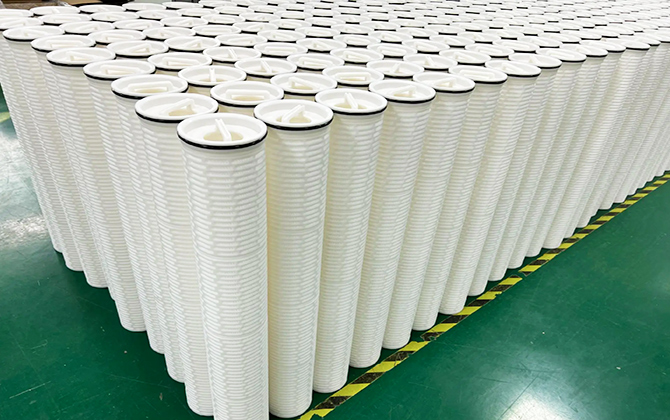
In the extreme working conditions of high temperature and high pressure in the petrochemical industry, ordinary filter elements are prone to blockage, shutdown, structural deformation, filter material damage, and decreased filtration accuracy when facing large particle impurities such as heavy oil and amine liquid, as well as strong acids, strong bases, and aromatic solvents. FiltEdge’s Petrochemical High Flow Filter is designed and manufactured to solve filtration problems in the petrochemical industry. It not only has an increased diameter of up to 6 inches in size, but its folding structure can handle large amounts of slurry for you while ensuring accuracy, which can reduce costs and increase efficiency in the petrochemical industry.
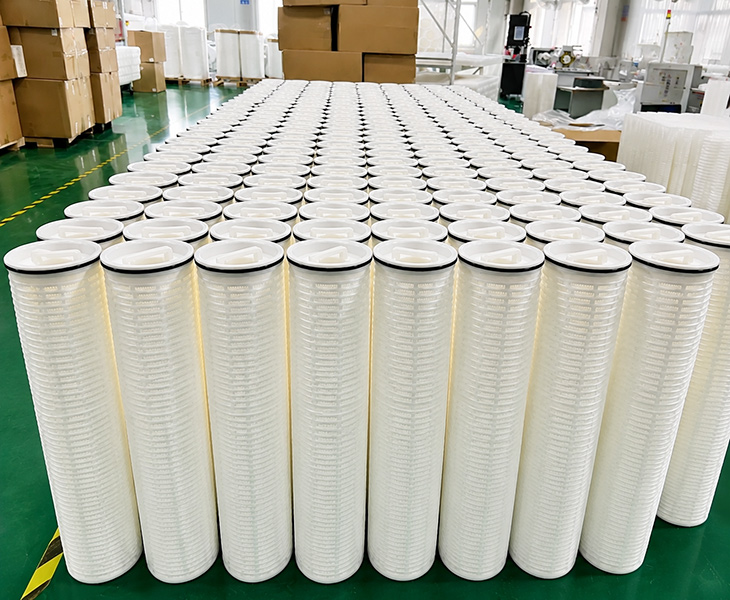
Why Does The Petrochemical Industry Use Petrochemical High Flow Filters?
In the face of extreme working conditions in the petrochemical industry, simply increasing the number of ordinary filter cartridges to expand the flow rate cannot achieve the desired effect. High flow filtration is not simply about increasing the size, but a specially designed Petrochemical High Flow Filter that uses a folding structure to solve the following difficulties for you:
- Reduce blockage and downtime: A single Petrochemical High Flow Filter adopts a deep folding structure inside, doubling the filtering area. It can increase your pollutant holding capacity and prolong the service life of your filter element.
- Reduce operating energy consumption: The large diameter flow channel of the Petrochemical High Flow Filter can maintain low pressure drop in high flow processes, allowing you to reduce energy consumption and minimize the frequency of filter replacement.
- Shorten maintenance time: With the same flow rate, the number of high flow filter cartridges used doubles and decreases, greatly reducing the time for manual filter replacement and minimizing your downtime.
- Save initial investment: The accompanying filter housing has a smaller volume than conventional filters, which can save you on initial purchase costs.
Types Of Petrochemical High Flow Filters
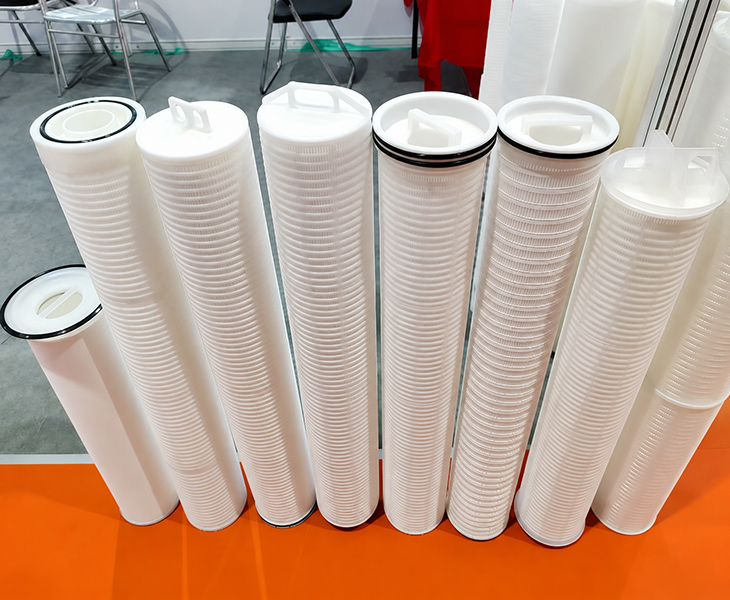
FiltEdge offers various materials and structures of Petrochemical High Flow Filters, which can handle different process procedures for you
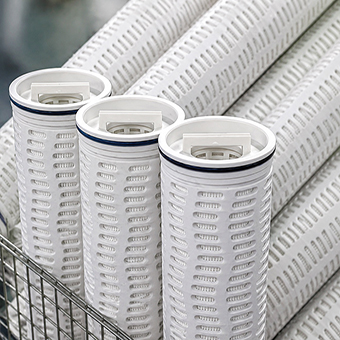
A cost-effective material that can handle liquids and gases below 80 ℃ in petrochemical plants for you.
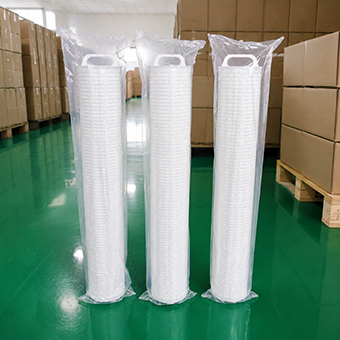
Can be used for liquids below 120 ℃, such as oilfield water injection, heavy oil/fuel oil blending pre filtration, and front-end protection of cracking units.
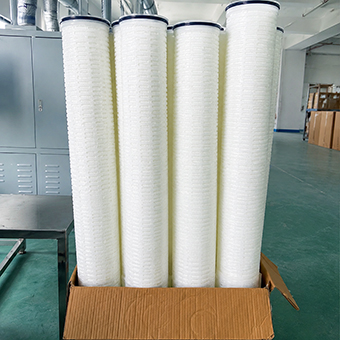
We can achieve high-precision interception of 0.1 μ m for you, which can be used for clarification of aromatic solvents such as benzene, toluene, xylene (BTX), catalyst pre filtration, etc.
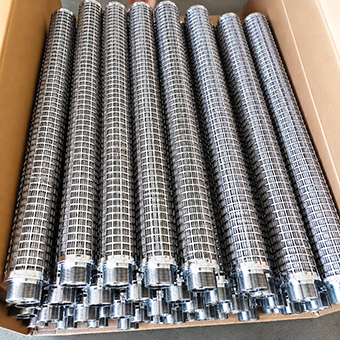
Stainless steel metal, can be repeatedly washed and used, and can withstand extreme high temperature and high pressure conditions, such as hydrocracking, thermal oil systems, etc.
Application of Petrochemical High Flow Filter
In petrochemical plants, Petrochemical High Flow Filters can provide applications in various production processes through different materials, structures, precision, etc.

Pre interception of atmospheric and vacuum residue, wax oil, and catalyst raw materials in hydrocracking and FCC units.

Pre treatment of various process wastewater and quench water generated in refining and ethylene plants.

Efficient recycling and filtration of high-temperature condensed water from steam.

Side stream system for high traffic filtering.

High temperature impurity removal in the heating system and thermal oil circulation system of the heavy oil tank area.

Circulating and refining filtration of various aromatic solvents and extraction solvents such as benzene, toluene, BTX, etc.

Circulating purification of Lean Amine and Rich Amine in desulfurization and decarbonization units.

The front-end security filtration of the ultra pure water and desalinated water preparation system (RO reverse osmosis/ultrafiltration) for the entire plant boiler.
The Capabilities of Petrochemical High Flow Filter
FiltEdge’s Petrochemical High Flow Filter has excellent performance, which can reduce consumable costs and maintenance frequency for you, and improve your production capacity and quality.

We can provide PP/fiberglass/PTFE/PES and stainless steel sintered petrochemical high flow filters for different processes in the petrochemical industry.

Petrochemical High Flow Filter is an inward and outward flow that helps you reduce the possibility of secondary pollution.

A single Petrochemical High Flow Filter with a diameter of 6 inches can handle a flow rate of 70-110m ³/h.

Based on the material you are using, the Petrochemical High Flow Filter can withstand temperatures ranging from 60 to 500 ℃.

The polymer filter can withstand a maximum pressure difference of 0.35-0.4MPa.

The Petrochemical High Flow Filter has excellent acid resistance, alkali resistance, and hydrolysis resistance.
Customized Petrochemical High Flow Filter
FiltEdge will provide you with non-standard lengths and outer diameters based on your operating conditions, matching your existing filtration equipment to protect your market share. We can also provide you with an accuracy of 0.1-100 μ m and customized composite gradient pore structure based on the properties of the liquid you are handling, extending the service life of your Petrochemical High Flow Filter and achieving effective filtration accuracy.
Why Choose FiltEdge's Petrochemical High Flow Filter?
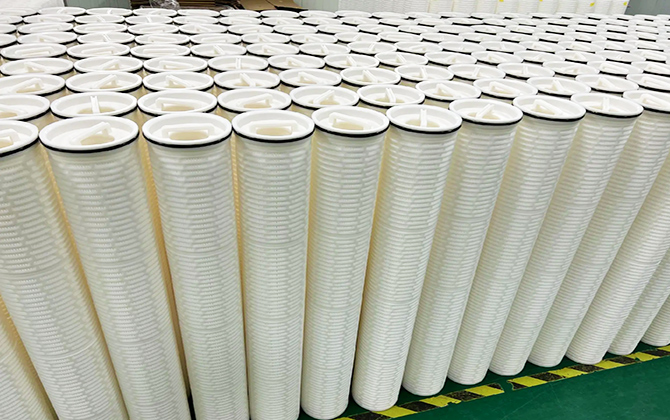
FiltEdge is not only a petrochemical high flow filter factory that provides filter products, but also a supplier of filtration system solutions. We design and customize the necessary equipment and consumables for the entire filtration cycle, helping you calculate costs and lifecycle. Not only do we provide pre-sales services such as working condition analysis and drawings, but we also offer after-sales services such as on-site installation, debugging, maintenance, training, as well as technical upgrades for old equipment.
Technical Parameters Of Petrochemical High Flow Filter
The following are the general parameters of Petrochemical High Flow Filter, chemical compatibility of different filter cartridge materials, and filter cartridge selection guide to help you quickly choose the filter cartridge that matches your working conditions. Alternatively, you can directly contact us and our engineers will help you analyze the working conditions and select the appropriate model.
- Specification
- Chemical Compatibility Rating Guide
- Filtration Selection Guide
| Parameter Item | Polypropylene (PP) Pleated Series | Glass Fiber Series | PES / PTFE Specialty Membrane Series | 316L / Hastelloy Sintered Series |
| Outer Diameter | 6 inches (152 mm) | 6 inches (152 mm) | 6 inches (152 mm) | 6 inches (152 mm) / customizable |
| Standard Lengths | 20″, 40″, 60″ | 20″, 40″, 60″ | 20″, 40″, 60″ | 10″, 20″, 40″ (spliceable) |
| Micron Ratings | 1, 3, 5, 10, 20, 50, 100 μm | 1, 3, 5, 10, 20, 40 μm | 0.1, 0.22, 0.45, 1, 3 μm | 0.5, 1, 3, 5, 10, 25, 50, 100 μm |
| Filtration Efficiency | ≥ 99.9% (absolute grade) | ≥ 99.9% (absolute grade) | ≥ 99.99% (absolute grade) | ≥ 99% |
| Max. Operating Temp. | 82°C | 121°C | 90°C (PES) / 150°C (PTFE) | 300°C – 500°C |
| Max. Allowable Forward ΔP | 0.34 MPa @ 82°C | 0.40 MPa @ 25°C | 0.34 MPa @ 121°C | 1.0 – 2.0 MPa (extremely high pressure resistance) |
| 0.42 MPa @ 25°C | 0.40 MPa @ 25°C | |||
| Recommended Change-out ΔP | 0.15 – 0.24 MPa | 0.15 – 0.24 MPa | 0.15 – 0.24 MPa | Depends on service conditions and backwash frequency (can withstand up to 0.5 MPa if necessary) |
| Max. Design Flow per Cartridge | Up to 114 m³/h (40″ length) | Up to 90 m³/h (40″ length) | Up to 70 m³/h (40″ length) | Customized based on fluid viscosity and mesh size |
| Flow Direction | Inside-out | Inside-out | Inside-out | Inside-out or Outside-in |
| Common Chemical Media | PP (Polypropylene) | Glass Fiber | PES (Polyethersulfone) | PTFE (Teflon) | 316L Stainless Steel | Recommended Seal Material |
| Process Water / Condensate / Circulating Water | A | A | A | A | A | EPDM |
| Weak Acid / Dilute HCl / Dilute H₂SO₄ | A | A | A | A | B | EPDM / Viton® |
| Strong Acid (Conc. H₂SO₄ / HNO₃) | B | A | C | A | C | Viton® (FKM) |
| Strong Alkali (Caustic Soda / NaOH) | A | C | A | A | A | EPDM |
| Amine Solutions (Rich / Lean DEA, MEA, etc.) | A | A | A | A | A | EPDM (high foam‑resistant grade) |
| Aliphatic Hydrocarbons (Diesel / Kerosene / Gasoline) | A | A | A | A | A | Viton® (FKM) |
| Aromatic Solvents (Benzene / Toluene / Xylene) | C | A | C | A | A | Viton® (FKM) or PTFE‑encapsulated |
| Polar Solvents (MEK / Acetone) | A | A | C | A | A | EPDM |
| High‑Temp Heavy Oil / Thermal Oil (>120°C) | C | C | C | B | A | Metal hard seal / Flexible graphite |
| Dimension / Condition | Detailed Parameter / Range | Recommended Filter Media / Solution |
| By Media | ||
| Process water, condensate, circulating water, low‑concentration amine solutions | → Use Polypropylene (PP) series | |
| Heavy oil, water injection, medium‑temperature light hydrocarbons | → Use Glass Fiber series | |
| Strong acids, strong alkalis, aggressive aromatic solvents | → Use PES / PTFE specialty membrane series | |
| Catalyst recovery, ultra‑high‑temperature thermal oils | → Use Sintered metal mesh / powder (stainless steel or alloy) | |
| By Temperature | ||
| Ambient ~ 60°C (low‑temperature water service) | → Use Polypropylene (PP) | |
| 60°C – 120°C (medium‑temperature oils / hot service) | → Use Glass Fiber / PES | |
| 120°C – 500°C (extreme high‑temperature service) | → Use Sintered 316L SS / Hastelloy | |
| By Differential Pressure (ΔP) | ||
| Polymer series – maximum allowable ΔP | → 0.35 – 0.4 MPa | |
| Sintered metal series – maximum allowable ΔP | → ≥ 1.0 MPa | |
| Recommended change‑out alarm point | → Replace when ΔP reaches 0.15 – 0.2 MPa | |
| By Flow Rate | ||
| Standard capacity per single cartridge (based on 6″ OD) | → 70 – 110 m³/h (depends on micron rating) | |
| Total system flow requirement | → Modularly combine cartridge quantities in proportion to total flow | |
| By Micron Rating (Precision) | ||
| Coarse filtration / upstream protection / side‑stream filtration | → Available: 10 μm, 20 μm, 50 μm, 100 μm | |
| Fine filtration / catalyst capture / RO security | → Available: 0.1 μm, 0.5 μm, 1 μm, 5 μm | |
| By Housing / Vessel | ||
| Retrofitting existing old filter housings | → Standard adaptors provided – seamless fit into most existing high‑flow housings | |
| New installation – custom engineered systems | → Filtedge supplies complete housings compliant with GB150 / ASME codes | |
| By Brand Interchange | ||
| Replacing major international high‑flow cartridge brands | → 1:1 drop‑in replacements for Pall, 3M, Parker, and other standard high‑flow series – no structural modifications required |
There are two main reasons for this. Firstly, there is a sudden fluctuation in the upstream process, which leads to a sudden increase in impurities in a short period of time, exceeding the preset processing capacity of the Petrochemical High Flow Filter; Secondly, the accuracy and aperture gradient design during selection are unreasonable, and large particle impurities directly block the surface of the Petrochemical High Flow Filter, without fully utilizing the deep filtration structure of the upper filter element. Tell us about your working conditions, and we will help you analyze the problem in detail and come up with improvement plans.
In petrochemical applications, instantaneous pressure shock when opening pumps or valves can cause physical deformation of the filter element, rupture of the filter material, and penetration of impurities. FiltEdge’s Petrochemical High Flow Filter uses a high-strength thickened central support skeleton and outer protective mesh, allowing it to withstand pressure differentials of 0.35-0.4MPa and cope with such fluctuations. But we also do not recommend keeping the filtering system in a fluctuating state for a long time.
FiltEdge not only sells filter cartridges, but also provides fluid diagnostic services. Through your filter housing structure, operating pressure difference curve, downstream fluid purity, and other aspects, it can help you identify whether it is a problem with the Petrochemical High Flow Filter or a design issue with the filtration system.