
Why Choose Filtedeg Rigid Cell Air Filters?
- To determine the specifications of your Rigid Cell Air Filters
When your old filter label is damaged or purchased according to the previous nominal size, it can easily lead to you purchasing the wrong air filter. We will first check the actual size, rated airflow, filtration efficiency and gasket orientation for you before confirming the production specifications. This can reduce problems such as inability to install dimensions, incorrect orientation, or mismatched resistance after arriving at the site. - Ensure consistency in subsequent orders for Rigid Cell Air Filters
Filtedeg will use the samples and order specifications confirmed by both parties as the basis for subsequent production. For customers who purchase in bulk or share inventory for multiple items, maintaining product consistency is more important than simply getting a lower quote. - OEM Rigid Cell Air Filters service without additional docking.
When you need to create your own brand or supply filters to your equipment, we can confirm filter production, labeling, and packaging requirements simultaneously in the same order. You no longer need to find other suppliers to handle the packaging separately, and it will not affect your warehouse management and on-site installation. - No need to repeatedly confirm Rigid Cell Air Filters production follow-up
After order confirmation, specification changes, label content, and packaging requirements all require continuous follow-up. We will organize these details into a unified set of production requirements to reduce omissions in verbal communication.
What Are Rigid Cell Air Filters?
Rigid Cell Air Filters Types We Offer
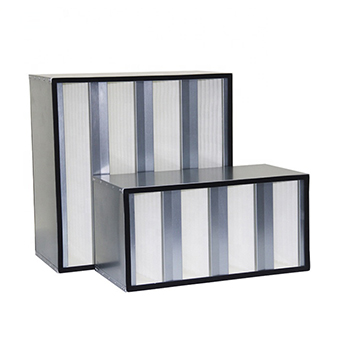
Suitable for conventional commercial and industrial HVAC systems, these rigid cell filters can be configured according to project requirements in terms of efficiency, depth, frame and sealing. These types of rigid cell filters are ideal for your regular projects where you need a stable supply specification but do not want to recheck the structure for each batch.
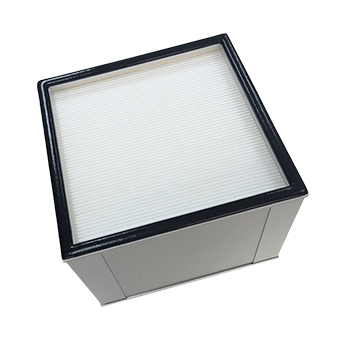
By increasing the effective filter surface area, the resistance increase can be slowed down. These extended surface filters are also often classified by the purchasers as high-capacity air filters, suitable for units with longer operation time, higher particle load, or limited maintenance windows. During the sampling stage, you should compare the initial pressure difference under the rated air volume and the pressure difference trend after dust accumulation, rather than just comparing the filter surface area.
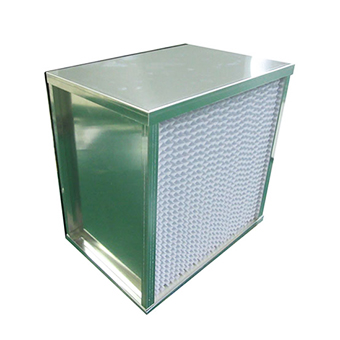
The metal frame provides strong structural support for the rigid box filters, making it suitable for projects with fluctuating air volume, limited internal space of the equipment, or those prone to being compressed during transportation. You also need to confirm the anti-corrosion requirements, the overall weight of the equipment, and the installation direction to avoid overlooking the on-site load-bearing capacity and environmental conditions simply because the frame is harder.
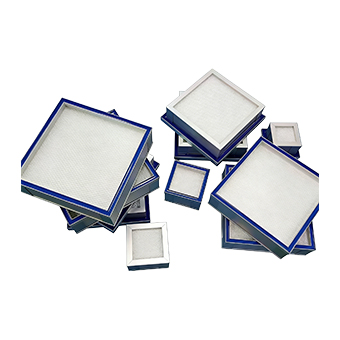
For old units, non-standard installation slots or OEM accessories, we can confirm custom rigid air filters based on the actual size, gasket direction and air volume requirements. You can first use samples to verify the installation and pressure difference, and then lock the drawings, part numbers and packaging methods for the batch orders to reduce subsequent specification drift during replacements.
Rigid Cell Air Filters Features
Choose rigid cell air filters. The adjectives listed in the product catalogue do not reflect the actual operating results. Similarly, those labeled as rigid box filters or extended surface filters may still have significant differences in rated air volume, initial resistance, pleat spacing, and sealing method among different models. We recommend that you verify these parameters along with the efficiency report; it is also advisable to keep the on-site pressure difference records, as they better illustrate the filter’s usage in this unit compared to the “high dust holding capacity” claim. The following standard data is for reference only and the order performance should be based on the model information confirmed by Filtedeg.

MERV 13 has clear classification requirements. According to ANSI/ASHRAE 52.2, under standard test conditions, its minimum average efficiencies are as follows: 50% for particles ranging from 0.3 to 1.0 μm, 85% for particles ranging from 1.0 to 3.0 μm, and 90% for particles ranging from 3.0 to 10 μm. This set of data is suitable for determining the particle control range, but MERV 13 should not be equated with HEPA. Before placing a bulk order, please verify the specific model, test air volume, and report version; installation sealing, actual air volume, and dust accumulation status will all affect the on-site performance.

The significance of deep folds lies in the fact that within the same windward size, more filter materials can be accommodated. Dust is thus distributed over a larger surface of the medium, and does not prematurely concentrate in a localized area. The US Department of Energy’s information on high-capacity filters also mentions that increasing the filtration area and the number of folds helps to slow down the increase in pressure difference after dust accumulation. When purchasing, you can directly obtain the initial resistance data at the rated air volume; the replacement cycle should be determined by combining the sample operation and the trend of the on-site pressure difference.

The pressure difference will be included in the long-term operation bill of the fan. Calculated with a 20,000 m³/h air volume, 65% total fan efficiency, and 8,760 hours of operation per year, if the average pressure difference between the two schemes differs by 30 Pa, the theoretical power difference is approximately 0.26 kW, which is approximately 2,250 kWh per year. This is not a fixed energy-saving value of the product, but rather a comparison method. By substituting your unit’s air volume, operating hours, electricity price, and measured average pressure difference into the calculation, the result will have purchasing significance.

When the air volume changes or the filter material accumulates dust, the outer frame must still securely hold the filter material in its installation position. The rigid box is used to limit bulges, extrusions and frame displacement, while the connection points are sealed continuously. There is no single percentage for side leakage applicable to all projects – the actual size, tolerance, gasket compression amount and on-site installation all play a role. When confirming the quotation, clearly list these items. After delivery, check the sealing around the entire perimeter again, which is often more practical than accepting a general promotional figure.
Rigid Cell Air Filters Manufacturing Process
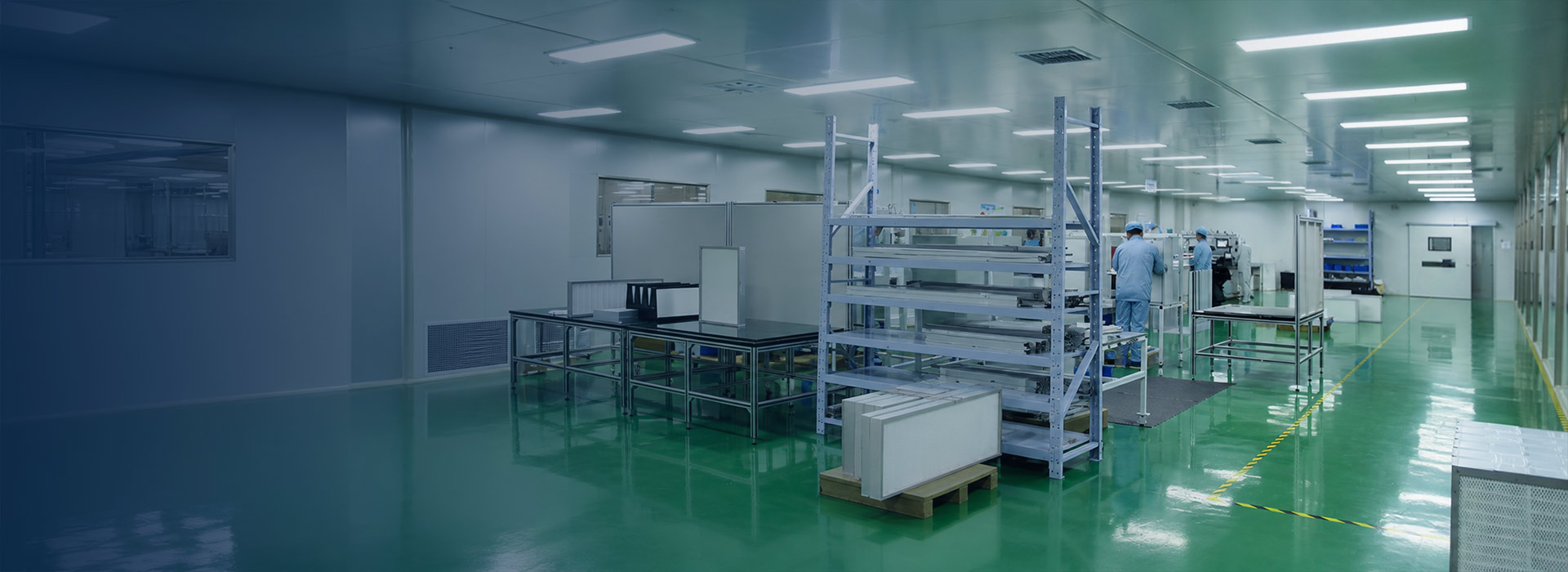
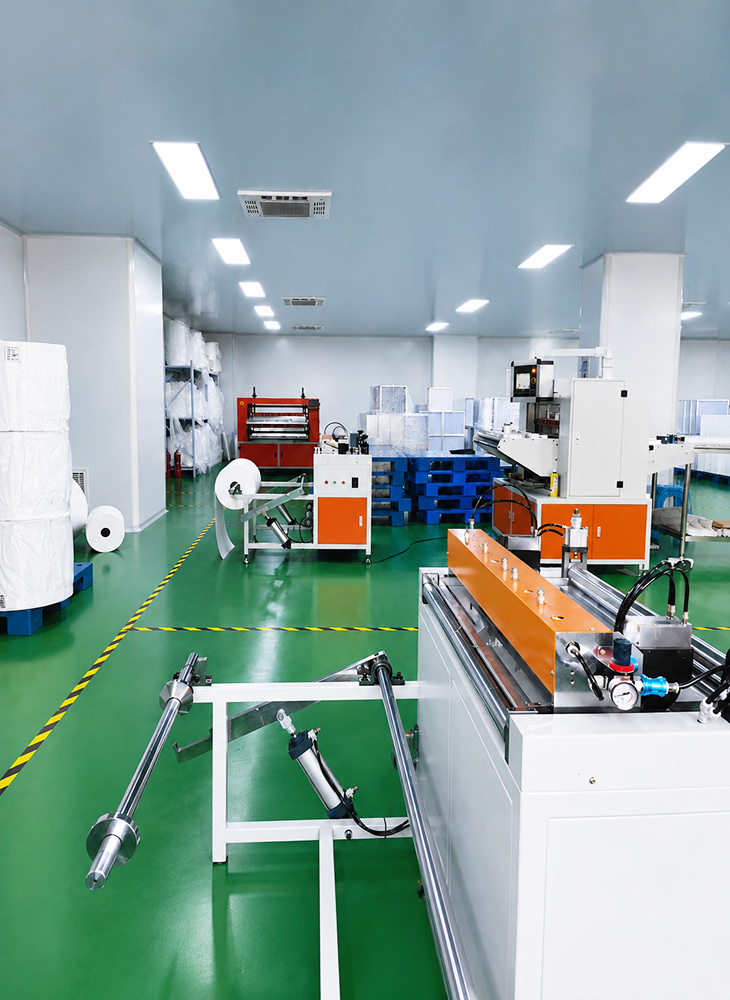
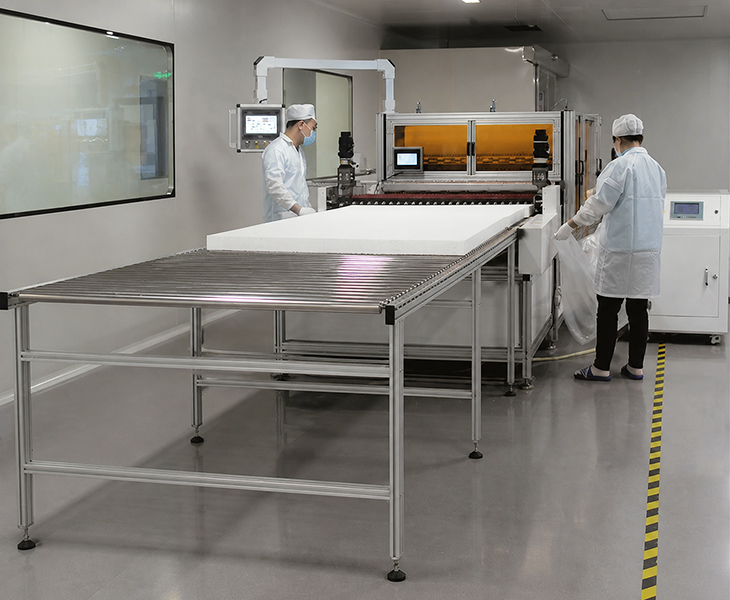
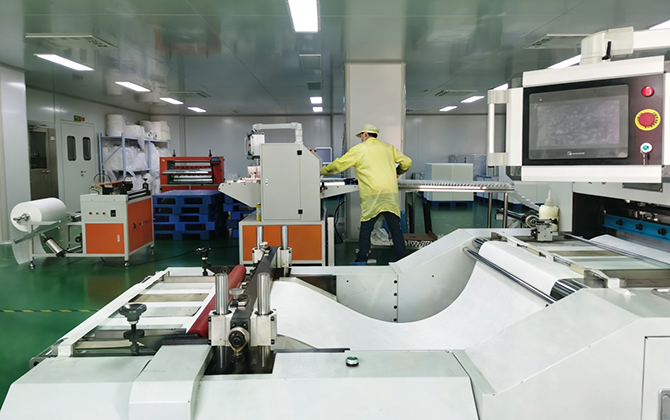
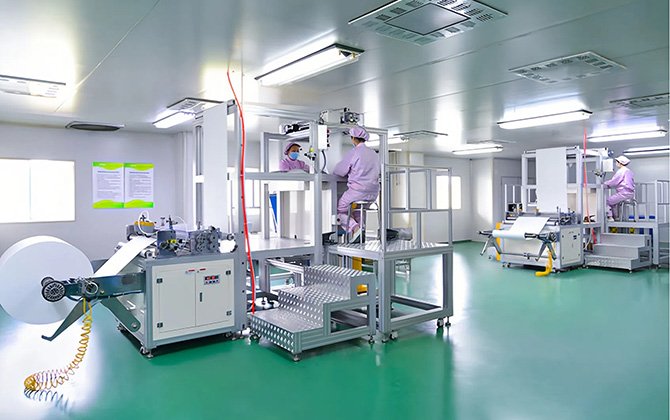
A rigid cell filter starts with the cutting of the filter material. The filter material is folded according to the order size, and then the spacing lines or supports fix the spacing; after the filter material package is completed, the edges are sealed around and then placed into the outer frame. The assemblers finally check the length, width and depth. This sequence may seem ordinary, but it determines whether the spacing of the pleats is similar in the batch goods, whether the filter material package is properly positioned, and whether the outer frame can smoothly enter the installation position. For you, the most intuitive result is that the first batch of samples and subsequent replenishments are less likely to have significant drift in structure and size.
Rigid Cell Air Filters Inspection and Testing
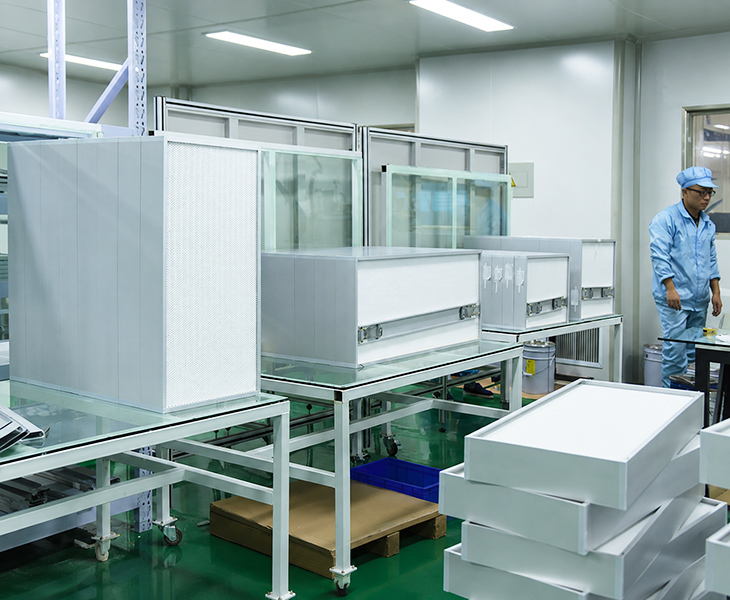
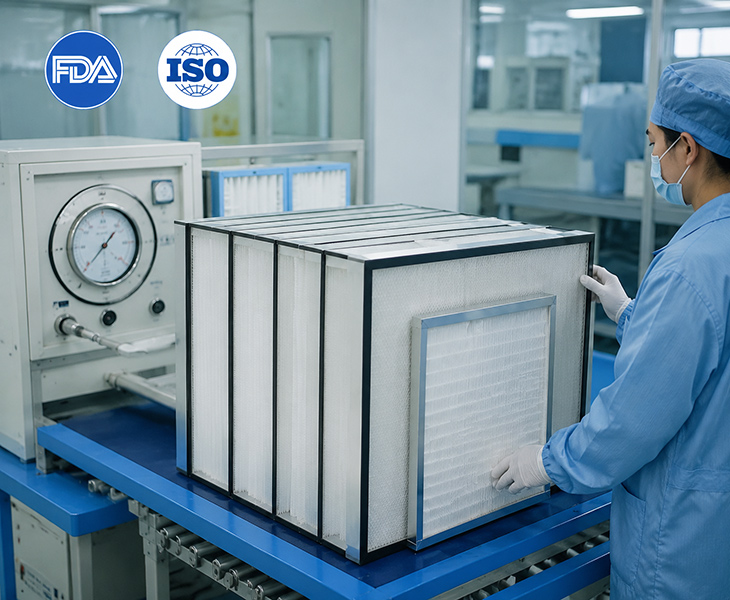
The inspection begins with the verification of raw materials: the filter material, the outer frame and the sealing material must be consistent with the version specified in the order. On the production line, check the pleat distance, glue lines, edge sealing and assembly status; for the finished products, verify the actual dimensions, appearance, labels and packaging item by item. If the order specifies efficiency, air volume or resistance documents, the corresponding model and report version will be listed in the confirmed materials. The purpose of this is very specific – to leave the issues such as size mismatch, incorrect labels or structural defects to be handled in the factory, rather than waiting for your warehouse to unpack and then investigate later.
FDA-Related Materials and ISO 9001 Quality Management for Rigid Cell Air Filters
If the food or related items involve applicable FDA material requirements, please specify the contact conditions, material restrictions and document list during the inquiry. We will confirm each option of materials and the statements or materials that can be provided along with the order; the entire filter will not be simply written as “FDA-certified product”. The orders and production processes of Filtedeg are included in the ISO 9001 quality management system, and the specification versions, batches and inspection requirements can be queried accordingly. Therefore, your quality team can complete the document verification during the procurement stage, and there is no need to discover the missing information before the equipment installation.
Rigid Cell Air Filters Packaging and Logistics
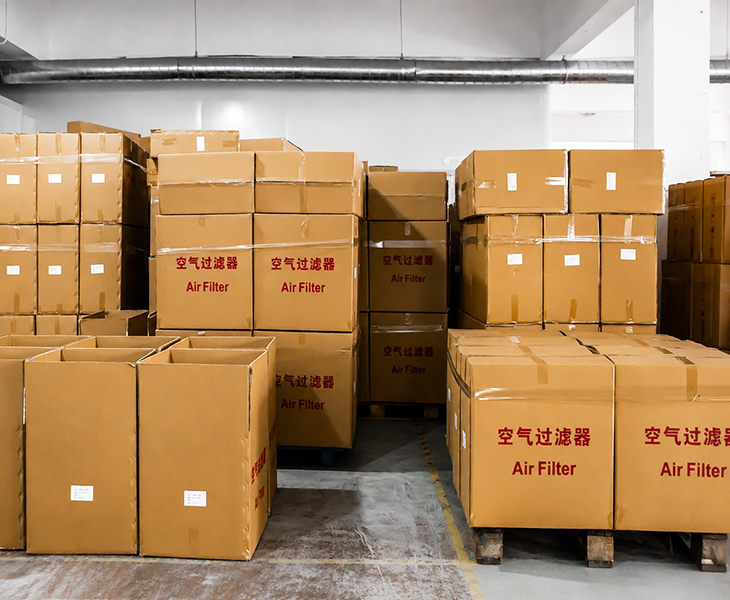
Deep-type box filters are prone to deformation during transportation. When the edges and corners as well as the outer frame are subjected to force, even if the filter material is not damaged, it may still affect the on-site installation. The packaging plan will be determined based on size, packing quantity and transportation method: additional inner liners, corner guards, pallets or external reinforcement may be required. Each box will be marked with the part number, specification and quantity. Multiple HVAC box filters should not be placed in the same box label. The warehouse can directly count and categorize by labels, and installation personnel do not need to temporarily unpack to look for the model; when an abnormality is found in the outer box, the responsible batch can also be more easily located.
Why Choose Filtedeg as Your Rigid Cell Air Filters Manufacturer?
Rigid Cell Air Filters Applications
The same type of filter may be called rigid cell air filters, rigid cell filters or high capacity air filters in different projects. However, the name cannot replace the confirmation of working conditions. Office buildings are more concerned about complaints and energy consumption, hospitals pay more attention to stable air supply, data centers focus on pressure difference, and factories worry about dust fluctuations and downtime. The following does not list industries in a general way, but starts from the actual problems you encounter on-site, explaining the actual improvements that the products can bring.
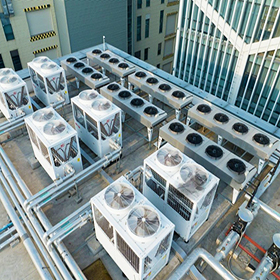
In offices, malls and hotels, you may often encounter problems such as dust accumulation at the air outlets, indoor dust complaints, frequent cleaning of the coil, and a significant increase in pressure difference shortly after the filter is replaced. Choosing rigid cell filters that match the residual pressure of the unit can improve particle control while avoiding the blind pursuit of high efficiency grades. What you get is not only cleaner air supply, but also reduced dust accumulation on the coil and temporary maintenance interference on operations.

In hospital outpatient areas, corridors, offices and other public areas, you need to control the particles brought by human activities and avoid high-resistance filters causing insufficient air volume of the original unit. You can choose the corresponding MERV level according to the area requirements and reduce air bypass by using a rigid structure, continuous sealing and correct gasket direction. For areas requiring higher control, Rigid Cell Air Filters can also undertake medium-efficiency or pre-filtering tasks, helping the subsequent-stage high-efficiency filters reduce the load of larger particles. It does not replace the HEPA system required in key areas, but can help you delay the increase in pressure difference of the subsequent-stage filters and reduce unplanned replacements.
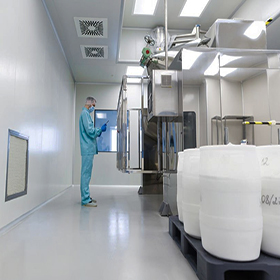
In pharmaceutical and life science auxiliary areas, you don’t want to see the front-stage filter clogging prematurely, which leads to an increase in the burden of the subsequent-stage high-efficiency filters or forced downtime for replacement when production schedules are tight. By extending the surface structure, you can provide a larger space for dust, and the rigid outer frame is more suitable for maintaining the stability of the filter material package. For example, if the replacement cycle of a certain filter point can be extended from 4 months to 6 months after on-site verification, then the annual replacement frequency will decrease from 3 times to 2 times, equivalent to reducing about 33% of the replacement work. This number is not a fixed lifespan commitment, but can help you directly calculate potential savings in labor, downtime and spare parts during the sample testing stage.
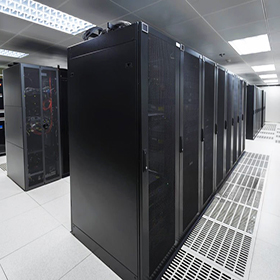
Data centers operate throughout the year, and the average pressure difference of the filter will continuously affect the fan burden. You need to compare not a single number of the initial resistance of the new filter, but the pressure difference changes throughout the entire usage period. Choosing Rigid Cell Air Filters with matching filtration area and air volume and arranging replacements based on pressure difference records can help you incorporate filtration costs into the annual energy consumption management, rather than dealing with passive handling after the alarm of air volume. The specific energy-saving calculation method is placed in the Features section, making it easy for you to substitute with on-site data.
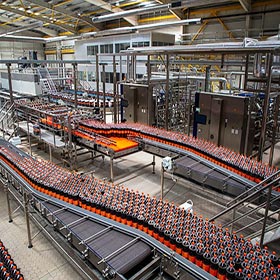
In the food and beverage processing environment, you may encounter packaging dust, personnel activity particles, humid air, and strict cleaning protocols. To address these situations, you can choose matching filter materials, moisture-resistant frames, and sealing materials to keep the filter structure stable within the planned maintenance cycle and reduce dust from entering the heat exchanger and ventilation ducts. Taking 100 filtering points as an example, if the annual replacement frequency is reduced from 4 times to 3 times through on-site verification, you can complete 100 fewer filter disassemblies per year, reducing the operation frequency by 25%, and simultaneously reducing the pressure on waste filter materials and spare parts turnover.

In general manufacturing plants, your dust load may vary with shifts, processes, and seasons. Ordinary soft-frame filters are prone to bulge and deform under high air volume or after accumulation, and in severe cases, they can even affect the seal. Rigid box filters fix the filter material package with a rigid box, making the filter unit more stable during operation. You can also set the replacement points in conjunction with the differential pressure gauge, no longer blindly replacing filters based on the calendar. The benefits of this approach are: when the dust load is low, you won’t prematurely scrap still usable filters; when the load suddenly increases, you can arrange maintenance before the air volume is affected. For oil mist, corrosive gases, sparks, or combustible dust, you still need to use specialized filtering solutions.

The challenges in airports, convention centers, and large hotels are the large number of filter points, large fluctuations in personnel flow, and maintenance can only be scheduled during limited periods. You can reduce on-site misinstallation and repetitive verification by standardizing actual dimensions, gasket directions, and labels; a larger filter area helps cope with peak particle loads. Taking 500 filtering points as an example, if the average replacement cycle is extended from 3 months to 4 months through differential pressure records and sample verification, the annual replacement quantity can be reduced from 2,000 to 1,500, a decrease of 500, or 25% of the procurement and replacement workload. The final savings should be calculated in combination with your unit price, labor costs, and on-site test results.
Rigid Cell Air Filters Industry Solutions
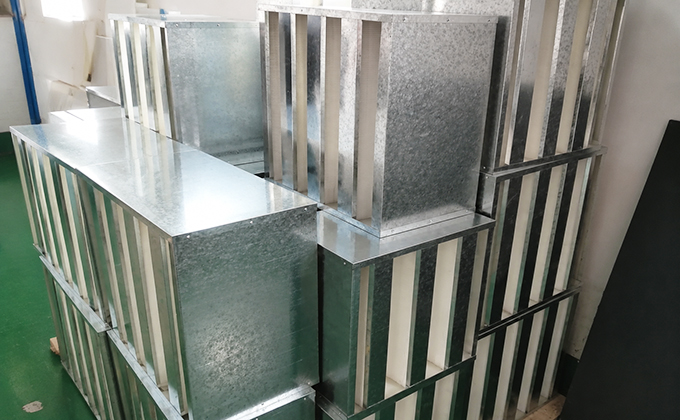
If you are in charge of office buildings, shopping malls or hotel projects, we can organize the models and labels of rigid cell filters by floor, group or replacement batch. This not only facilitates your arrangement of night or off-peak construction, but also reduces the frequent mixing of a large number of similar specifications in the warehouse and on-site.
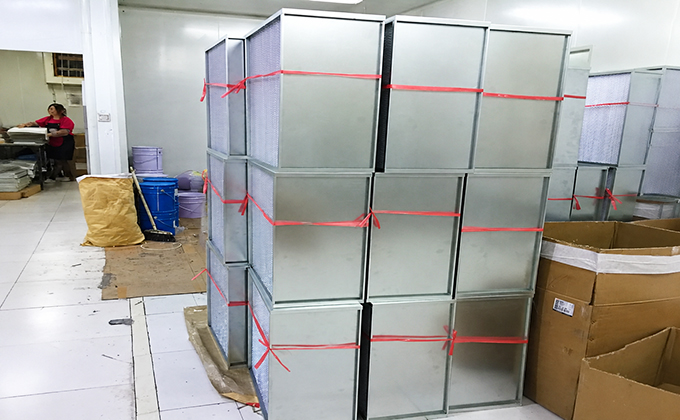
If your factory has multiple dust conditions, we will distinguish between general air dust and oil mist, corrosive gases, sparks or combustible dust before providing the quotation. This is to avoid using ordinary HVAC box filters in inappropriate environments. For the available standard conditions, we can organize the specifications by equipment location to facilitate your conducting small-scale verification before expanding the purchase.
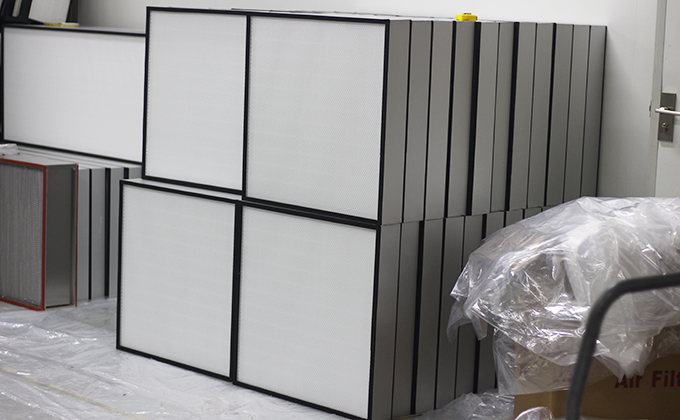
The medical project places greater emphasis on zone identification, batch records, and traceability documents. For HVAC box filters used in comfort air conditioning and applicable auxiliary areas, we will prepare production and inspection materials based on the confirmed efficiency, actual size, and sealing method; the specific application still needs to be confirmed by your engineering and infection control team in accordance with the project specifications.
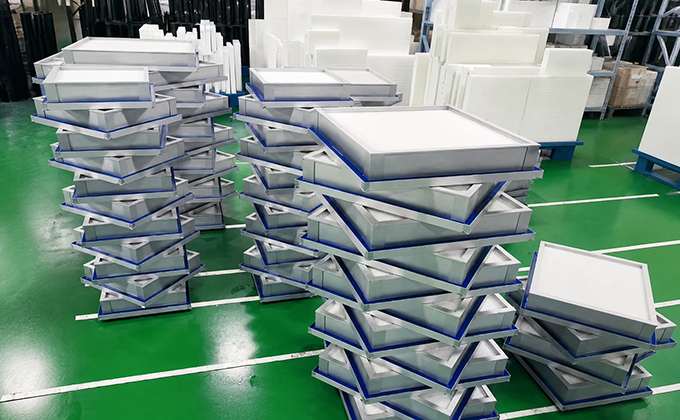
Data centers are better suited to first use samples to verify the initial resistance, actual dimensions, and pressure difference trends, and then decide on the batch supply. As a supplier of rigid air filters, we can distinguish labels and packaging by room or air handling unit, allowing you to replace and retain test records in stages without interrupting critical operations.
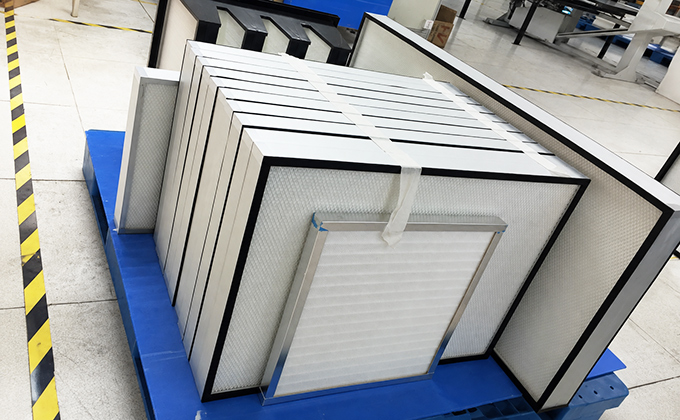
The food and pharmaceutical auxiliary areas tend to place greater emphasis on material documentation, labels and batch management. We can distinguish between general high-capacity air filters and configurations with specific material file requirements during the order confirmation stage, preventing you from discovering incomplete information when the project review is approaching. Ultimately, the material selection should still be based on actual contact conditions, environmental requirements and your project specifications.
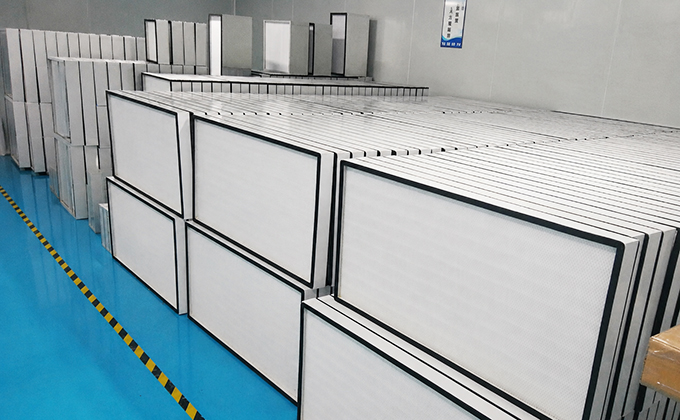
When the air handling unit has been running for a long time, has a high particle load, or has limited maintenance windows, you need to pay attention to whether the filter can balance the air volume, particle efficiency and pressure difference changes throughout its entire service life. The rigid box structure of Rigid Cell Air Filters and the expanded filtration area are suitable for such high-capacity HVAC conditions, but the final choice should still be based on the unit’s residual pressure, rated air volume, and on-site replacement conditions.
Rigid Cell Air Filters Technical Specifications
The following are the conventional optional configurations for rigid cell air filters and similar extended surface filters, which are provided for reference during the initial selection process. The final parameters shall be based on your specific conditions, drawings, samples, and the official technical documents.
- Rigid Cell Air Filters Technical Specifications
| Project | Standard optional range/Description |
| Product structure | Rigid box type, deep pleat extended surface structure |
| Filter medium | Synthetic fibers, glass fibers or specified composite filter material by the project |
| Efficiency grade | Can be configured according to MERV or the specified efficiency of the project; specific range needs to be confirmed based on the filter material and testing requirements |
| Frame material | Galvanized steel, plastic or other optional materials |
| Common depth | Approximately 6 in or 12 in; can also be customized according to the equipment installation space |
| Size | Standard and non-standard sizes are available; please confirm the nominal size and actual size before placing the order. |
| Rated air volume | Determined based on the windward size, filtration efficiency, structure and allowable pressure difference. |
| Initial resistance | Varies with size, air volume, filter material and efficiency grade, refer to the confirmed data. |
| Sealing method | No gasket, single-sided gasket or double-sided gasket. |
| Installation direction | Confirmed according to the specific product structure and system design. It is not recommended to judge solely by appearance. |
| Operating temperature and humidity | Dependent on the combination of filter material, outer frame and sealing material. Special conditions should be specified in advance. |
| Custom service | Size, filter material, efficiency, outer frame, sealing gasket, label and packaging |
Both are often marketed as similar box-type filters in the market, but rigid cell air filters emphasize a rigid structure and stable filter material units, while box air filters are a broader description of the shape. Some suppliers also use names like HVAC box filters or rigid box filters for their products. When making actual purchases, you should still check the filter material efficiency, actual size, rated air volume, and sealing method, rather than judging interchangeability based solely on the name.
You also need to check the filter material structure, pleat depth, efficiency grade, frame material, actual size, rated air volume, and gasket position. For box-type filters with the same appearance, their performance and applicable working conditions may not be the same.
Rigid cell air filters can have different medium-high efficiency grades depending on the filter material and structure configuration, but there is no fixed range applicable to all manufacturers and models. The most reliable approach is to select based on the target particle control level, system resistance, and project standards.
If you provide the current model, MERV requirements, rated air volume, and initial resistance, we can help narrow the range. For hospitals, pharmaceuticals, or projects subject to regulations, the design documents, regulations, and on-site verification requirements should be taken as the reference.
Only when the actual length, width, depth, filtration efficiency, rated air volume, pressure difference, and sealing method match, can rigid cell filters be suitable as replacements for existing box filters; the same nominal size does not mean the actual size is exactly the same. If the equipment list only specifies box air filters, it is best to provide photos, labels, and measured dimensions of the old filter before bulk purchasing to eliminate installation deviations.
It is recommended that you provide old filter labels and six-sided photos, and measure the actual size, installation frame dimensions, and gasket position. If the original model information is incomplete, you can send samples or provide equipment drawings to reduce the risk of inability to install after delivery.
The replacement time should not be determined only by fixed months. A more reasonable basis is filter pressure difference, system air volume change, on-site dust load, operating duration, and enterprise maintenance specifications; the actual lifespan of different buildings and seasons may vary greatly.
When the pressure difference approaches the system’s set final resistance, there is damage or failure of the seal, the air volume significantly decreases, or when the project’s replacement conditions are met, replacement should be arranged. Regularly recording pressure difference trends is more conducive to controlling energy consumption and inventory than relying solely on calendar cycles.
Rigid Cell Air Filters Related Products
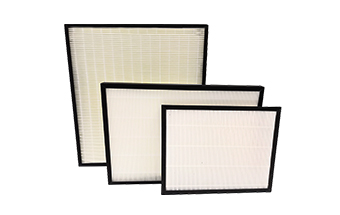
If you need a pre-filter or medium-efficiency filter solution with thinner thickness and more controllable cost, you can learn more about pleated panel filters.
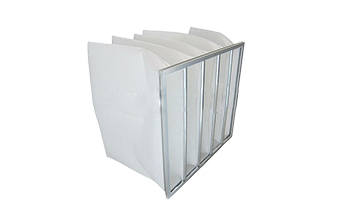
When the equipment has sufficient installation space and it is desired to achieve a larger filtration area through a bag-type structure, HVAC bag filters can be chosen.
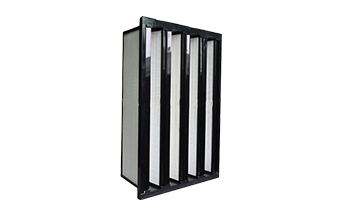
For high air volume, compact installation space requirements or higher filtration capacity needs, V-bank air filters can be further compared.
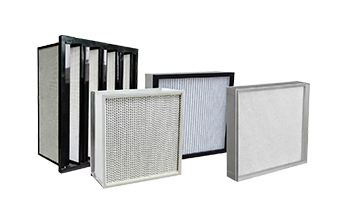
If the project requires a final filtration solution with higher particle filtration efficiency, you can refer to industrial HEPA filters. Then, based on the project standards, confirm the efficiency and testing requirements.
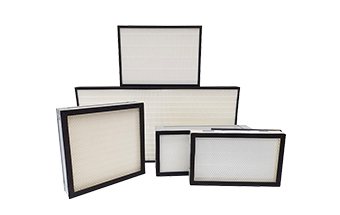
For non-standard sizes, replacement of old models or OEM accessory projects, you can learn about the customization process on the “Custom Industrial Air Filters” page.