

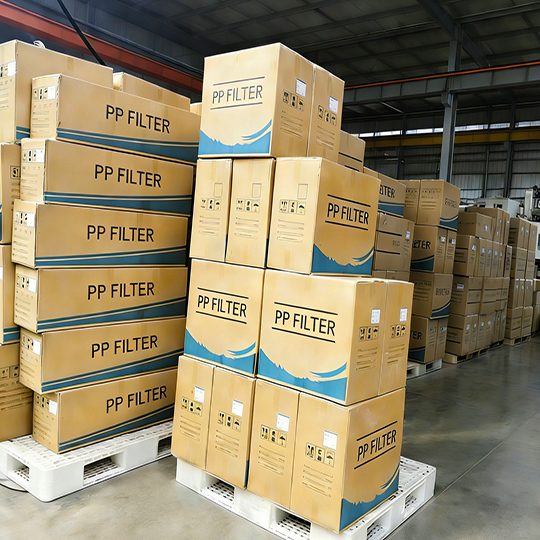
Why Choose FiltEdge Melt Blown Filter Cartridges?
Many normal filters have the same pore size from outside to inside. This can cause dirt to block the surface quickly. FiltEdge melt-blown cartridges use a multi-layer structure with different pore sizes. Dirt is trapped step by step through the whole filter. Because of this, our cartridges can hold 2–3 times more dirt than regular ones of the same size. This means fewer replacements and lower labor cost. Some low-quality filters may release fibers into the liquid. This can contaminate the downstream system. FiltEdge uses high-purity polypropylene and a stable production process to reduce fiber shedding. Second, our cartridges meet food-contact safety standards, water safety requirements, and ISO quality system standards.
What is a Melt Blown Filter Cartridge?
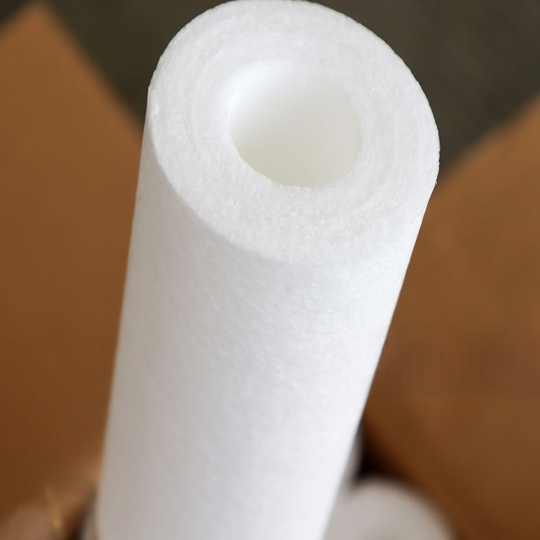
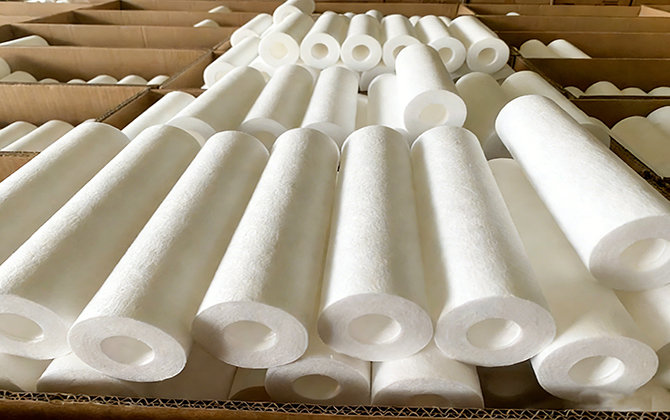
A melt-blown filter cartridge is made from 100% polypropylene. It is produced using melt-blown technology and is used for depth filtration. The filter has a unique gradient pore structure. The pores are larger on the outside and smaller on the inside. This design helps the filter hold more dirt and operate longer. A good filter should not only stop dirt but also hold it inside the material. FiltEdge Melt-blown filters help you save your filtration budget more effectively.
Melt Blown Filter Cartridge Series
FiltEdge melt-blown cartridges come in two types based on the core:
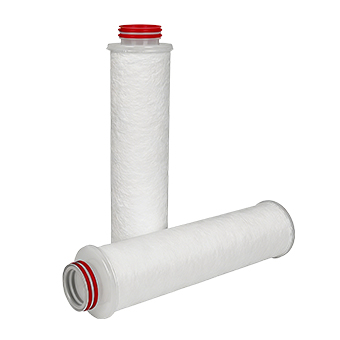
These cartridges have a polypropylene core inside. The core gives extra strength and helps the cartridge keep its shape under pressure. They are suitable for RO pretreatment, high-pressure systems, and higher-temperature liquids.
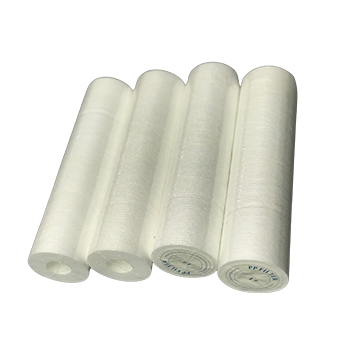
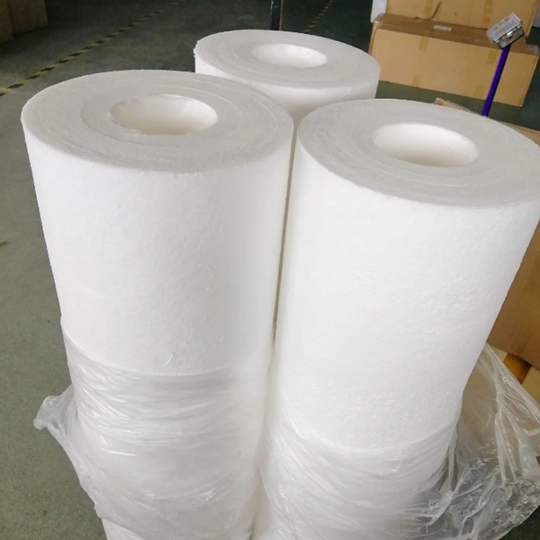
These cartridges do not have an inner core. They are lighter and use less material. This also makes recycling and transportation easier. They are often used in semiconductor cleaning, fine chemicals, and high-purity water systems.
Key Features of Melt Blown Filter Cartridges

Made from pure polypropylene, these filters can be used with many acids, alkalis, and some organic solvents.

Special thermal bonding at the fiber ends helps keep fibers in place and reduces the risk of shedding.

The open outer layer allows liquid to pass through easily while still providing good filtration accuracy. This helps reduce energy use in the system.

Different fiber thicknesses are used in different layers. Larger particles are stopped outside, and smaller ones are trapped deeper inside. This reduces surface clogging.
Multi-Gradient Structure
Some cheap filters clog very fast because all the dirt stays on the surface. This causes pressure to rise quickly and shortens the filter life.
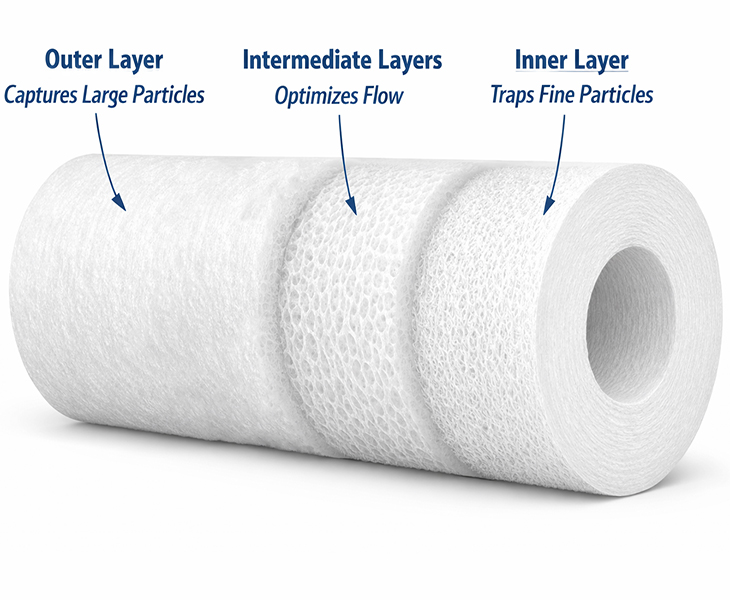
FiltEdge cartridges use a gradual density structure. The outer layer catches big particles. The middle layers help spread the flow. The inner layer captures very fine particles. This design reduces surface blockage, increases dirt-holding capacity, and extends service life. Fewer replacements mean less downtime and lower labor cost.
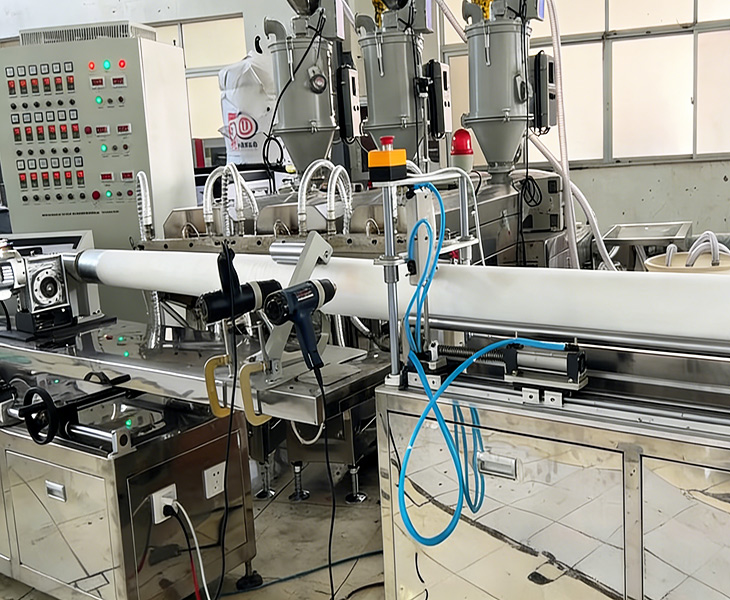
Hot-Melt Bonding Process
FiltEdge cartridges are bonded using polypropylene hot-melt technology instead of chemical glue. This helps keep the filter material clean and safe.
A heat treatment process also helps reduce fiber shedding when pressure or flow changes. Core versions provide extra strength, while coreless versions are lighter and more cost-effective. Confirm applicable food-contact documentation for the selected materials and intended use before ordering.
Why choose FiltEdge?
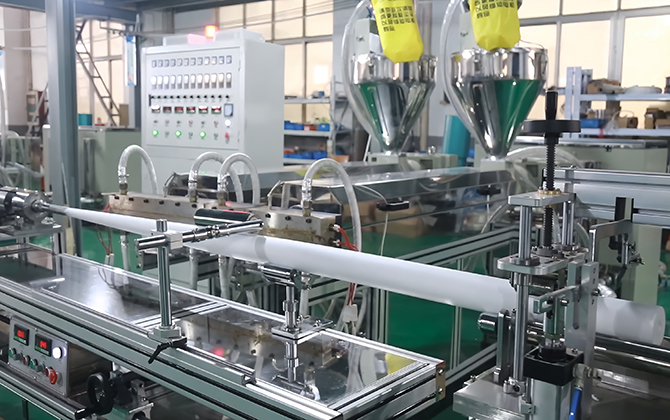
FiltEdge LLC is a U.S. company established in 2025, supported by SFFILTECH in China, established in 2006. Manufacturing support is provided through SFFILTECH in China. Confirm product specifications, available quality documents, pricing and delivery in the quotation. Certificates must be checked for the relevant entity, facility and product. Support is arranged during business hours; any on-site service or warranty terms require separate agreement.
Applications of Melt Blown Filters
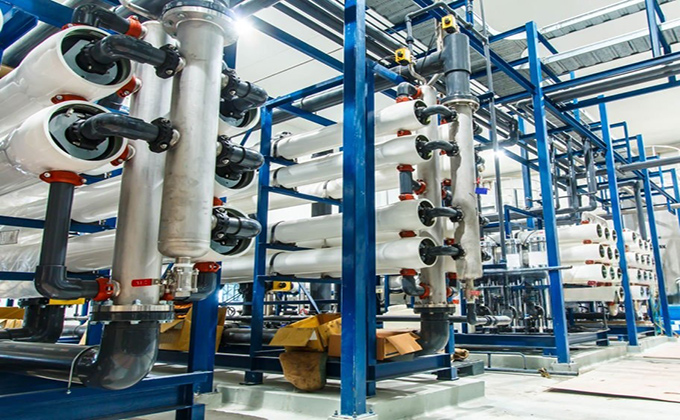
Removes particles and helps protect RO membranes, extending membrane life.
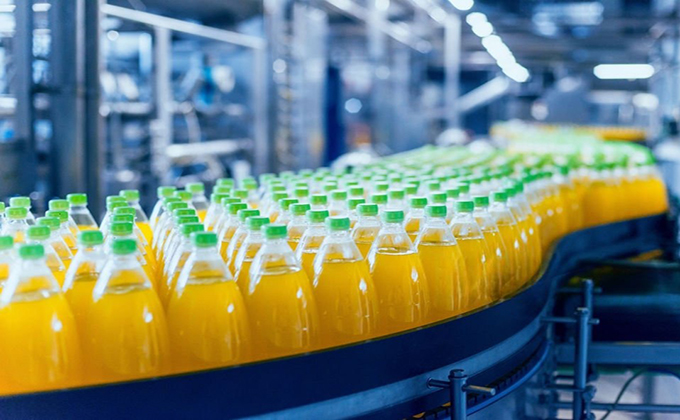
For water filtration applications, confirm material compatibility, required food-contact documentation and downstream water-quality requirements.
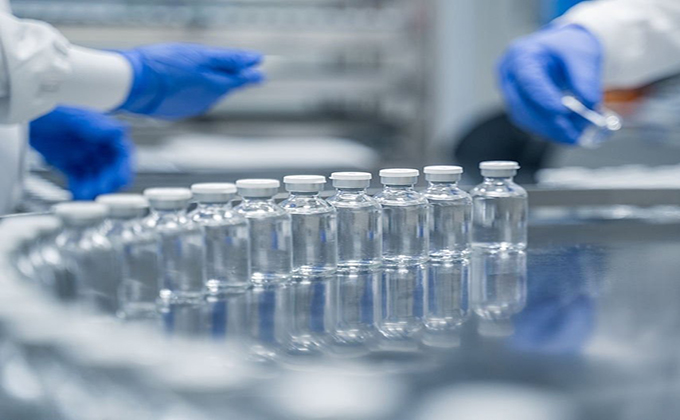
Compatible with many process liquids, including those with acids, alkalis, and solvents.
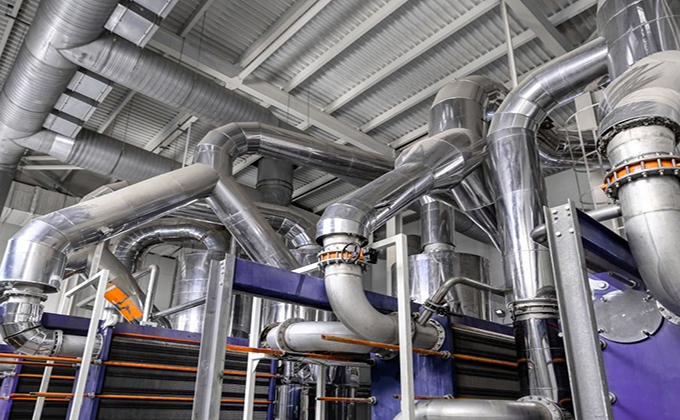
Helps remove particles, protect nozzles, and reduce scaling problems in circulation systems.
Technical Specifications
- Technical Specifications
| Name | Material | diameter | length | Micron Rating |
| core | polypropylene | 4.5 inch | 10 inch | 0.5,1,5,10,50 micron |
| coreless | polypropylene | 2.5 inch | 20 inch | 0.5,1,5,20,25 micron |
| Specification | Pleated filters | Melt-blown filters |
| Surface area | high | low |
| Dirt holding | Fit for uniform particles | Excellent for varied particles |
| Flow rate | superior | moderate |
| Cost | high | economical |
If there are many impurities, replace every 1-2 months; if the water quality is good, replace every 3-6 months.
It depends on your specific operating conditions. Filter cartridges with cores are suitable for applications requiring high mechanical strength, high-temperature liquids, or viscous liquids. Coreless filters are more suitable for cost-effective solutions or industries with stringent environmental requirements.
No. During filtration, it catches impurities within the fibers. So you cannot totally remove them after use. Reusing them will decrease the efficiency of filtration.
Polypropylene cartridge options are available. Suitability for food and beverage use depends on the selected materials, operating conditions and applicable documentation; confirm these requirements before ordering.