
Advantages of FiltEdge Mesh Filter Bag?
- Sewn and Welded Mesh Filter Bag Construction
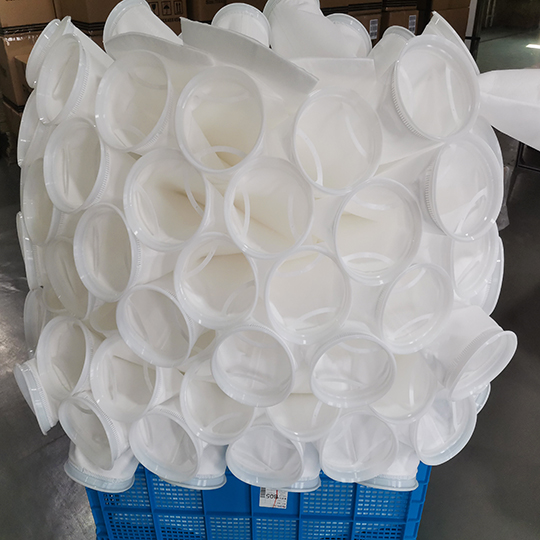
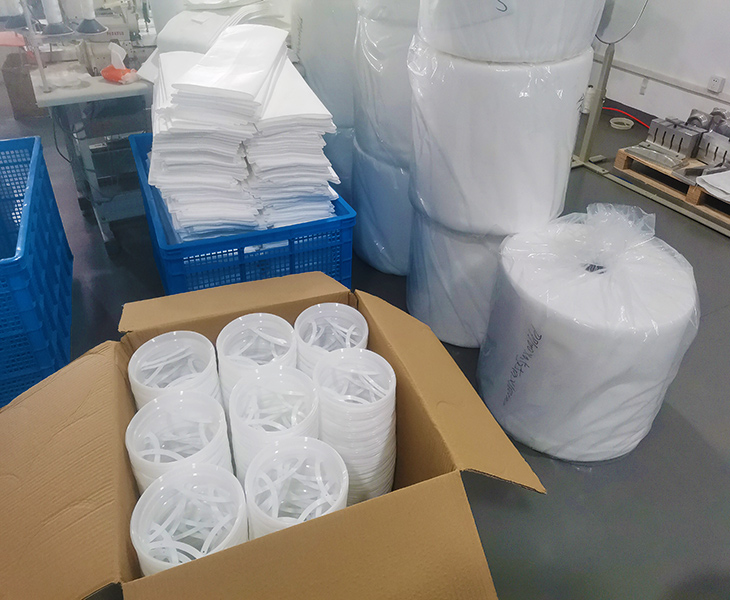
FiltEdge manufactures mesh filter bags using both sewing and ultrasonic welding processes. You can choose the appropriate structure for your filtration system based on the mesh material and application requirements. - Consistent Mesh Filter Bag Dimensions
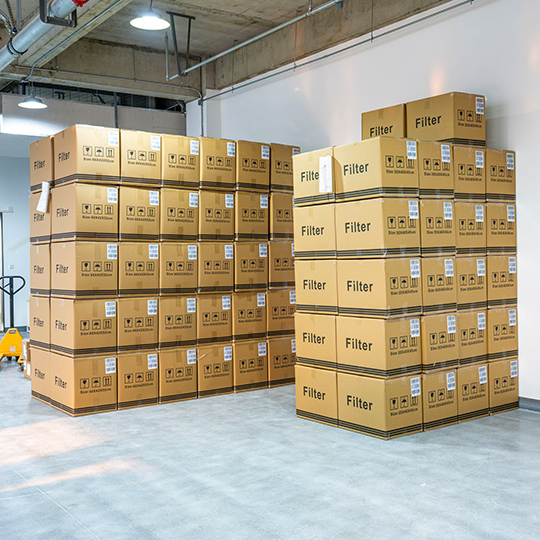
When replacing the mesh filter bag in an existing filter housing, the bag size and ring location need to match the equipment. FiltEdge pays attention to these manufacturing details to help you install the filter bag correctly and reduce problems caused by dimensional mismatches during replacement. - Consistent Manufacturing for Repeat Supply
If your production process requires regular procurement of mesh filter bags, maintaining a consistent product structure across batches helps to better schedule filter bag replacements. FiltEdge focuses on manufacturing consistency to support your ongoing filter bag sourcing needs.
What Is Mesh Filter Bag?
Mesh filter bag is a liquid filter bag made of woven Mesh with defined Mesh. As the process liquid passes through the mesh, particles larger than the mesh size are trapped on the surface of the filter medium, while smaller particles may pass through. Unlike felt filter bags that trap particles inside the filter media, mesh filter bags primarily achieve solid-liquid separation through surface filtration, making them suitable for filtration scenarios where particles need to be separated according to specific mesh sizes.
Mesh Filter Bag by Material
Choosing the right mesh material requires considering your liquid chemistry, operating temperature, and filtration requirements. FiltEdge offers nylon, polyester, and polypropylene (PP) mesh filter bags to meet the needs of various industrial liquid filtration applications.
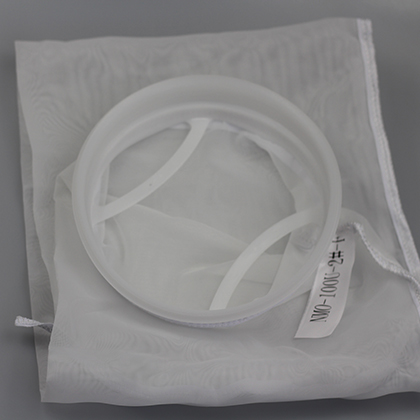
Nylon mesh has good mechanical strength and wear resistance, making it a good material to consider when your process involves particles that can cause wear. Before selecting nylon mesh, it is necessary to confirm its compatibility with the liquid to be filtered, especially when filtering acidic solutions or liquids with strong chemical properties.
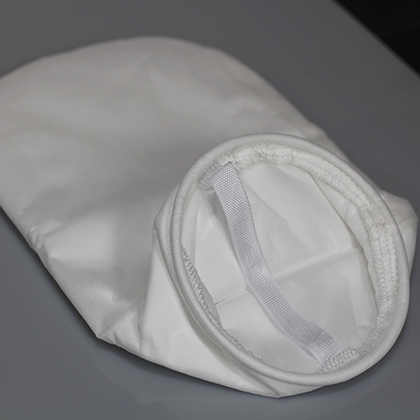 Polyester Mesh Filter Bag
Polyester mesh can be considered when you are more concerned about the stability of the mesh structure and its ability to retain dimensions over long-term use. For aqueous liquids or conventional industrial filtration applications, polyester materials can help maintain a more stable mesh structure and bag shape, but the actual choice still depends on your operating conditions.
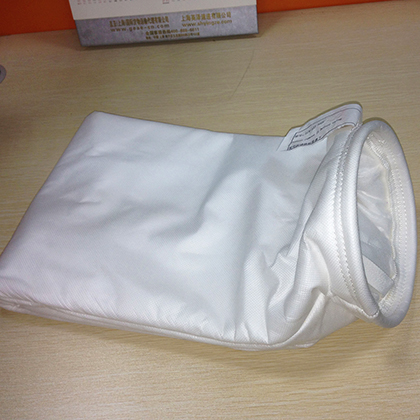
When you prioritize chemical compatibility, polypropylene (PP) mesh can be considered, especially in filtration applications for many acidic and alkaline solutions. If you plan to filter liquids with strong chemical properties, you need to confirm that the specific PP material is compatible with the liquid composition and operating temperature.
Key Features of Mesh Filter Bag

Mesh filter bags primarily trap particles on the surface of the filter media, rather than trapping contaminants internally like deep filter media. When you need to trap particles larger than the selected mesh size, mesh filter bags are suitable for this type of filtration requirement.

Under suitable operating conditions, the relatively open structure of the mesh allows liquid to pass through with relatively low resistance. If your process needs to maintain a high liquid handling flow rate, the appropriate mesh size and filter bag size can be selected based on the flow requirements.

Depending on the mesh fabric material, trapped contaminants, and cleaning method, some mesh filter bag can be cleaned and reused. If you want to reduce the consumption of disposable filter bags, you can assess whether the actual operating conditions allow for effective cleaning while avoiding damaging the mesh or affecting the filtration effect.

Mesh filter bag offers different Mesh sizes to meet different particle retention needs. You can choose the appropriate mesh size based on the particles you need to retain and the process flow conditions.
Custom Mesh Filter Bag Solutions
- Custom Mesh Sizes and Materials
You can specify the mesh material and mesh size based on liquid properties and particle retention requirements. FiltEdge offers nylon, polyester, and PP mesh fabrics, and can choose the appropriate mesh size for your specific application. - Custom Bag Dimensions and Ring Options
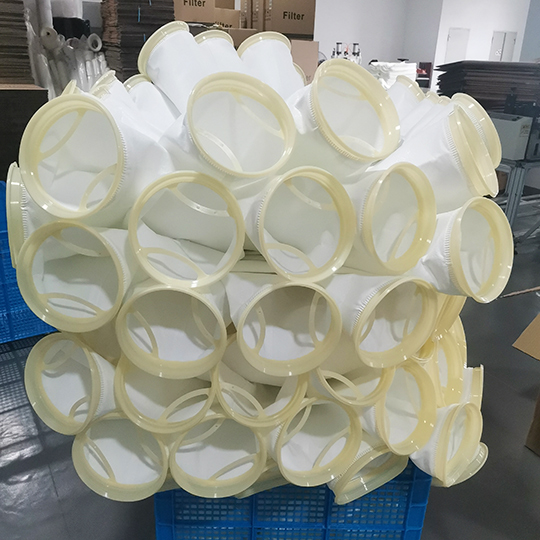
If standard sizes do not fit your filter housing, you can provide information about the required size or existing filter bags. FiltEdge offers #1–#5 standard sizes and custom sizes, and selects the appropriate ring port configuration based on housing structure and operating conditions. - Sewn or Ultrasonically Welded Construction
Depending on the mesh material and application requirements, you can choose between sewing or ultrasonic welding structures. The specific process needs to be determined in conjunction with the requirements of material compatibility and filtration process.
Certifications and Quality Control for Mesh Filter Bag
- Quality and Compliance Documents
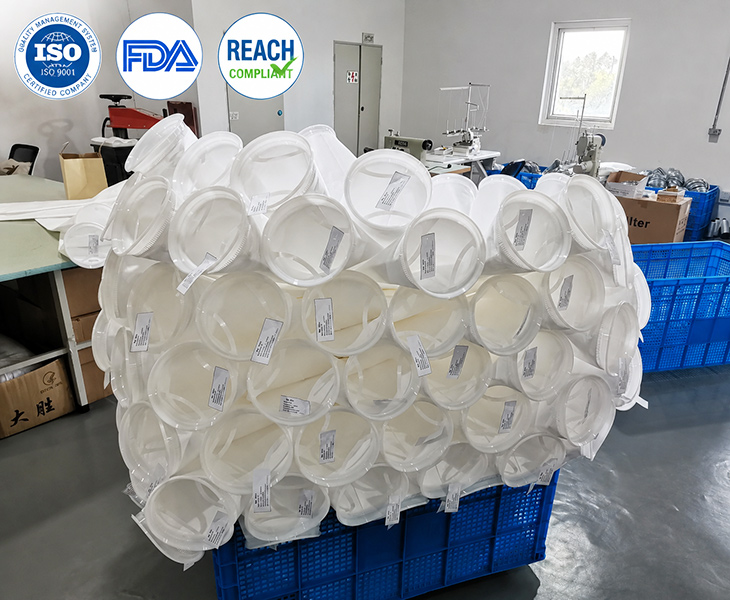
FiltEdge can provide relevant documentation based on your chosen mesh material and application, including ISO 9001 quality management system certification, applicable FDA-related compliance documents, and REACH-related compliance information. Because these documents vary in nature and purpose, you should confirm their availability and suitability based on the specific product and intended use. - Mesh Filter Bag Material and Structure Inspection
Raw materials are inspected prior to production, and the mesh structure is checked to help confirm that the selected materials and mesh specifications meet your requirements. These checks help identify potential material or mesh-related issues before the mesh filter bag is completed. - Bag Dimensions and Finished Product Inspection
Verify the bag dimensions and finished product structure according to the specified requirements. The inspection includes checking critical dimensions and checking the finished product for obvious structural problems before delivery. This helps you determine whether the mesh filter bag meets the specifications agreed upon by both parties.
Why Choose FiltEdge for Mesh Filter Bag?
- Experience in Industrial Filtration Manufacturing
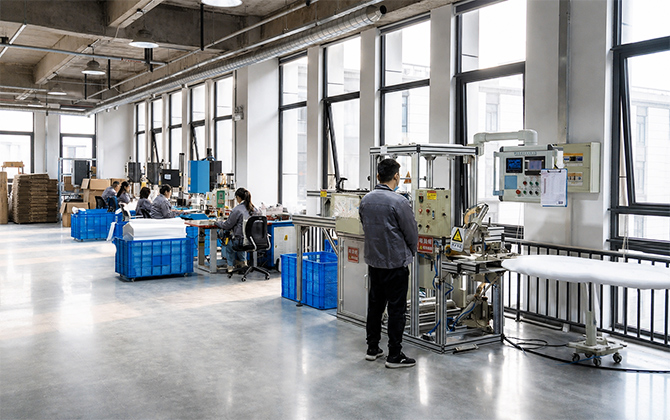
FiltEdge has over 20 years of experience in liquid filtration manufacturing, covering a variety of filter media, bag structures, and industrial applications. If you are purchasing mesh filter bags for a specific process, you can communicate material and structural requirements with manufacturers who are familiar with liquid filtration products. - Sewing and Ultrasonic Welding Capabilities
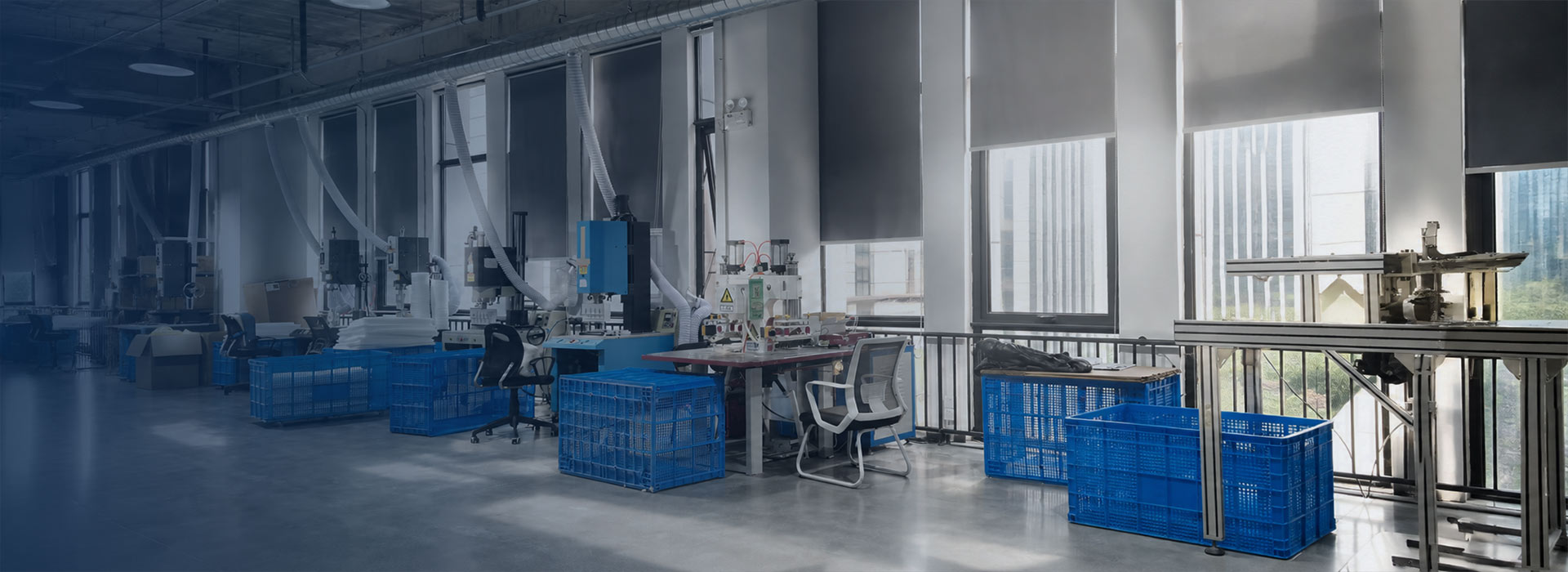
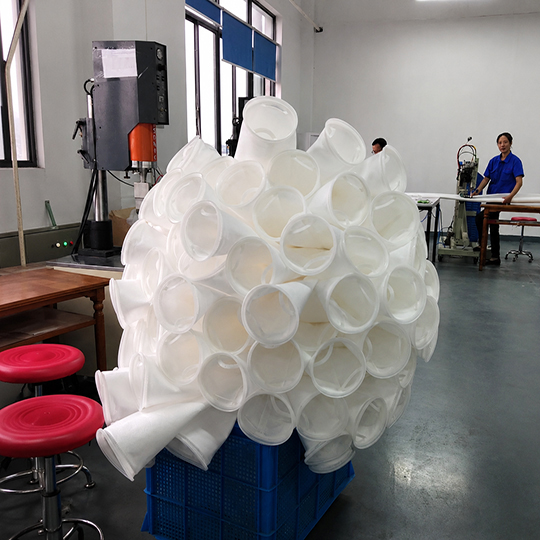
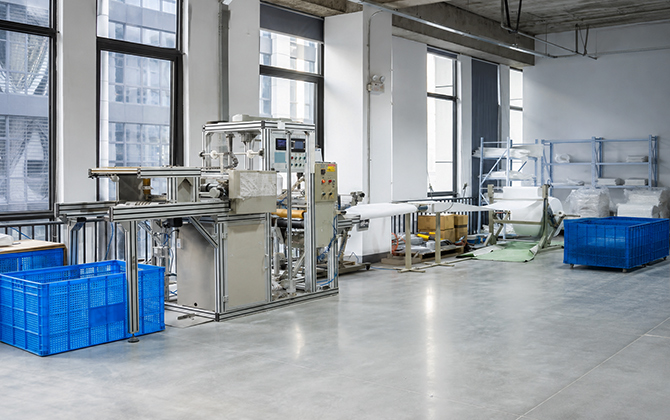
Mesh filter bag is not made in exactly the same way. FiltEdge is equipped with 10 industrial sewing machines and 2 fully automated ultrasonic welding machines for the production of mesh filter bags. We will evaluate the appropriate fabrication method based on your mesh material and application. - Consistent Manufacturing for Repeat Supply
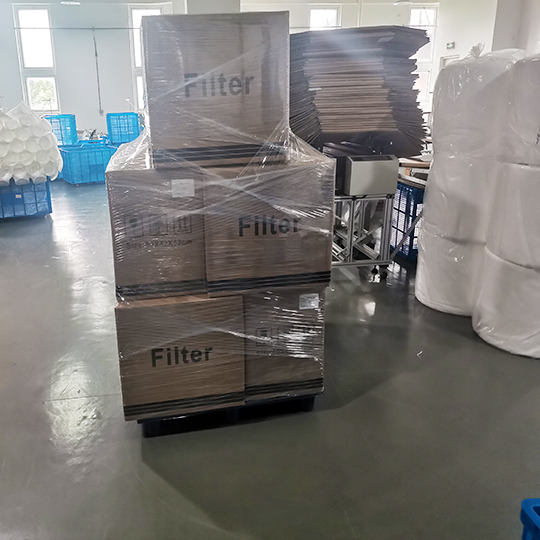
When purchasing mesh filter bag repeatedly, installation and replacement work may increase if there are differences in size or construction. FiltEdge inspects raw materials, verifies bag dimensions, and checks the finished product to ensure that subsequent deliveries meet your specifications wherever possible.
Applications of Mesh Filter Bag
FiltEdge mesh filter bag is suitable for a variety of industrial liquid filtration scenarios. The specific choice depends on your process fluid, the particles to be removed, and the actual operating conditions.

The mesh filter bag can be used to remove impurity particles and agglomerates from compatible paints, coatings and inks. If your process requires particle screening before filling or subsequent processing, the appropriate mesh material and mesh size should be selected based on the liquid formulation.

In chemical production processes, mesh filter bag can help separate suspended solids from compatible process liquids. Before selecting a filter bag, it is necessary to confirm the chemical compatibility of the mesh material with the liquid composition and operating temperature.
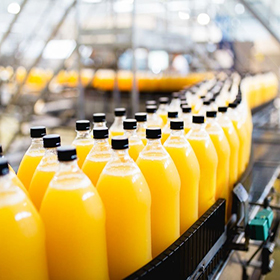
In applicable food and beverage production scenarios, mesh filter bag can be used to screen particles from liquids such as syrups, cooking oils, and beverages. If your process involves food contact, you need to confirm that the filter material and related components meet the applicable requirements.
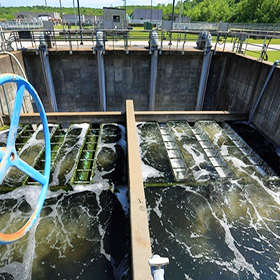
For industrial water treatment processes that require the removal of larger suspended particles, the mesh filter bag can be used for particle interception before subsequent equipment. You can choose the appropriate mesh size based on the solid particles you need to intercept and the system flow requirements.
Technical Specifications of Mesh Filter Bag
FiltEdge mesh filter bag is available in different materials, mesh specifications, sizes, and ring port configurations. You can choose standard specifications or customize the filter bag based on liquid properties, particle retention requirements, and filter housing size.
- Technical Specifications of Mesh Filter Bag
| Parameter | Specifications |
| Filter Media | Nylon, Polyester, Polypropylene (PP) |
| Common Mesh Counts | 20, 40, 60, 80, 100, 150, 200 Mesh |
| Common Filtration Ratings | 25, 50, 75, 100, 150, 200, 250, 400, 500 μm |
| Standard Bag Sizes | #1, #2, #3, #4, #5 |
| Ring Materials | Galvanized Steel, Stainless Steel, PP, PET |
| Bag Construction | Sewn or ultrasonically welded, subject to material and application suitability |
| Customization Options | Bag dimensions, filter media, mesh count, filtration rating, ring material, ring configuration, and bag construction |
Mesh filter bag mainly traps particles on the surface of the filter medium through woven Mesh, while filter felt filter bags trap particles inside the filter medium. If you need to screen particles according to a specific mesh size, a mesh filter bag may be more suitable. The specific choice should depend on the particles you need to remove and the desired filtration effect.
Yes, you can clean and reuse the mesh bags under applicable conditions. Unlike many needle punched felt filter bags that are used in a disposable replacement manner, the mesh bags are generally reusable as long as the mesh is kept intact and the entrapped contaminants are effectively removed. After cleaning, inspect the mesh, seam, and ring opening areas for damage or deformation. If the filter bag is damaged or no longer meets your filtration requirements, it should be replaced promptly. The actual number of times that can be reused depends on the mesh material, the type of contaminant, the cleaning method, and the operating conditions.
To choose the right mesh size, first determine the size of the particles you need to remove from the process fluid. Smaller meshes can trap finer particles, while larger meshes generally facilitate liquid flow and reduce the risk of clogging. You should also consider liquid viscosity, solids concentration, required flow rate, and operating conditions. If you already know the particle size you want to trap, you can narrow down the appropriate mesh size range accordingly. If you are still unsure, you can provide FiltEdge with specific application information to receive advice on mesh selection.