
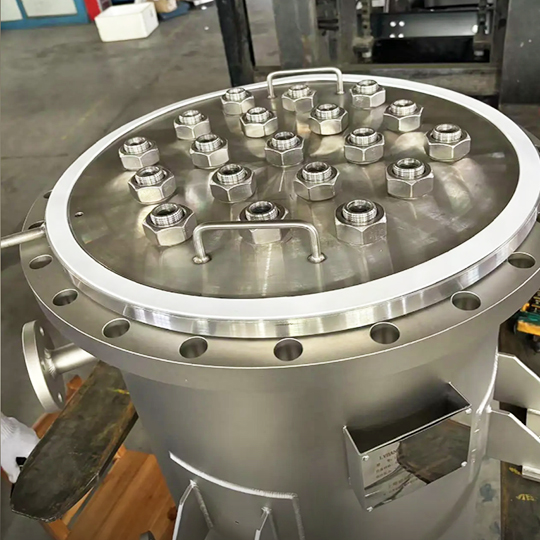
What Is Code 7 Filter Housing?
FiltEdge’s Code 7 Filter Housing is a filter cartridge designed for high hygiene processes, featuring a slot structure with 226 double O-rings and dual locking ears (positioning fins). The Code 7 Filter Housing will never shift under high pressure, backwashing, or pulse conditions, and can meet your sterile needs, achieving zero side leakage. You can use it with confidence in the pharmaceutical, food and beverage, and high-purity water industries.
Why Choose FiltEdge's Code 7 Filter Housing?
Zero leakage: The precision machined Code 7 base perfectly fits into your filter element, creating an indestructible sealing barrier for you.
Aseptic: Made of high-quality 304 or 316L stainless steel, the inner wall undergoes rigorous mechanical polishing or electric polishing (Ra<0.4 μ m), with no dead corners or residues, fully supporting your existing CIP/SIP process.
Compliance: From material traceability to pressure testing, each of our Code 7 filter housings complies with FDA and GMP standards, allowing your production line to easily pass various rigorous industry audits.
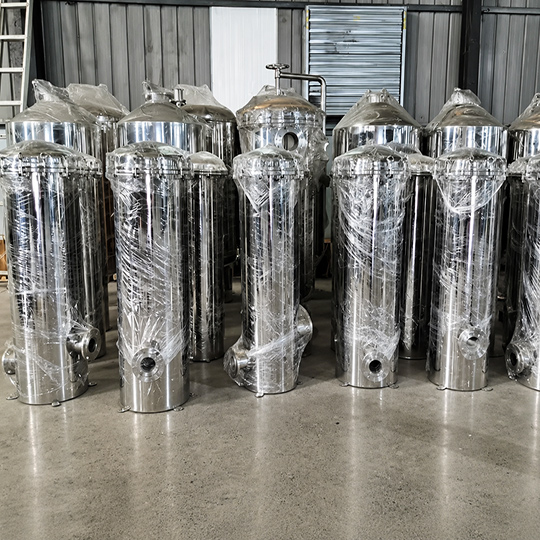
Type of Code 7 Filter Housing
Whether used for small flow processes such as laboratories or high flow large-scale production lines, FiltEdge can match you with the perfect Code 7 Filter Housing filtration system.
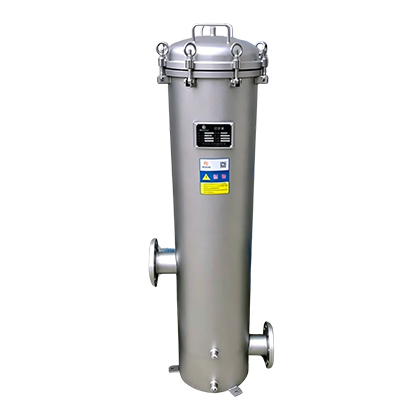
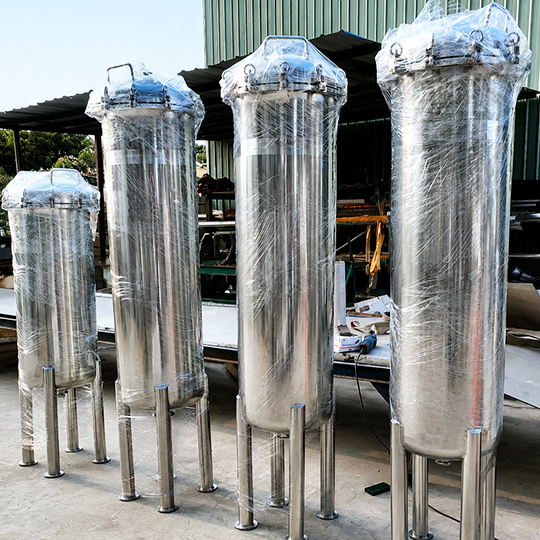
Used for a single Code 7 Cartridge Filter, with a compact structure and minimal footprint. You can use it in the laboratory or as a sample before expanding production.
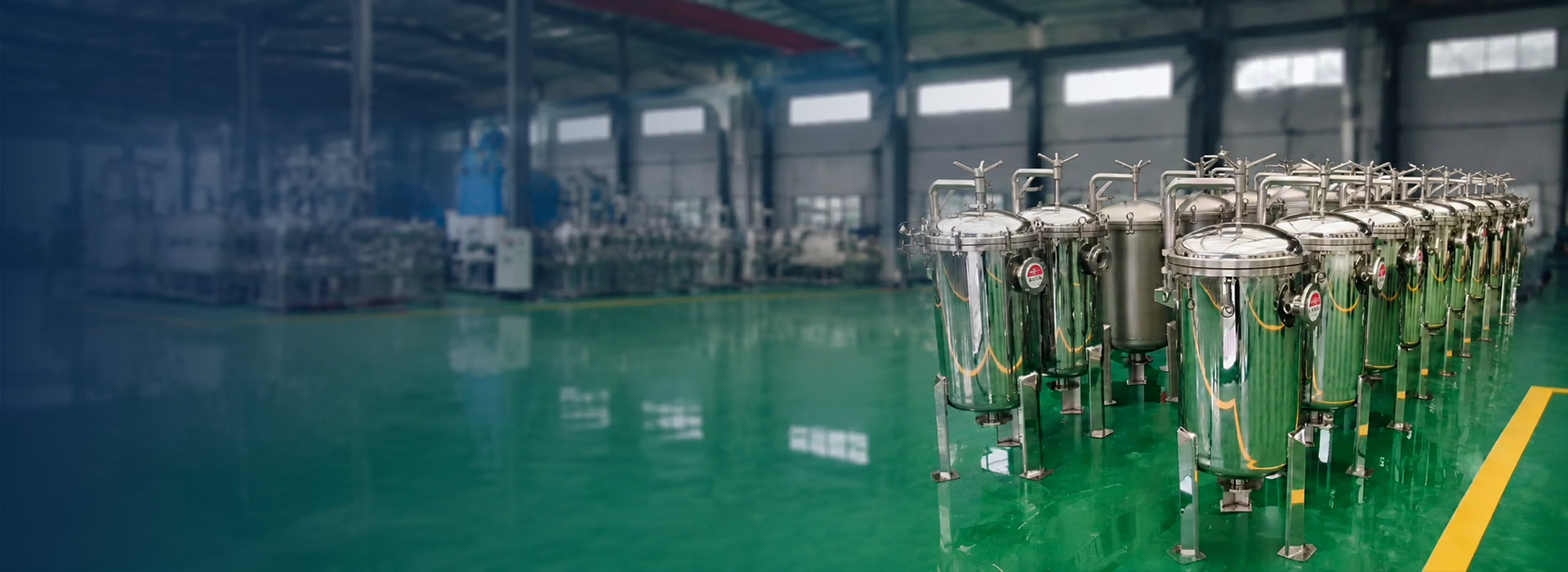
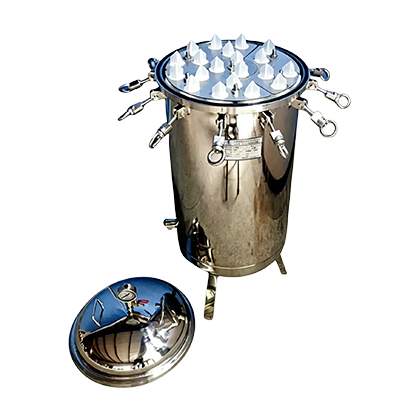 Multi Cartridge Filter Housing
Can accommodate 3-20 high flow filter cartridges, or up to 200 conventional size filter cartridges. Stable operation and reduced replacement frequency.
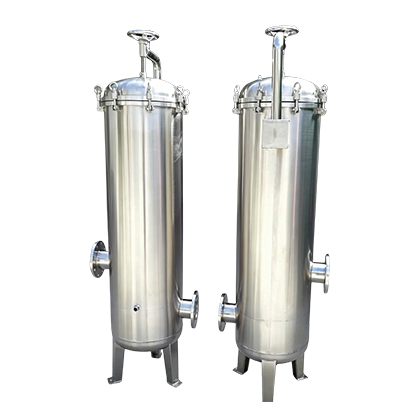
Made of 304/316 stainless steel material, the internal Ra value can be lower than 0.44 μ m, and CIP/SIP cleaning can also be set.
Characteristics of Code 7 Filter Housing
FiltEdge’s Code 7 Filter Housing is optimized in terms of material, sealing, and easy maintenance to meet the demands of rigorous industry audits, high-pressure conditions, and zero pollution.

The precision machined 226/Code 7 base card slot and dual locking ear rotation deadlock design ensure that the filter element does not shift and 100% filters every drop of liquid under high pressure and high flow impact.

Code 7 Filter Housing is made of SS304/SS316 material and can provide proof of raw material (MTR).

Using mirror polishing to make Ra<0.4 μ m, to prevent bacterial growth and residual wall hanging.

Code 7 Filter Housing can perform online steam sterilization and chemical cleaning, significantly reducing downtime and maintenance time between production batches.

Conduct a 300 minute 1.5-fold water pressure test on each of your Code 7 Filter Housing units to ensure they do not burst during long-term high-pressure and high load operation.

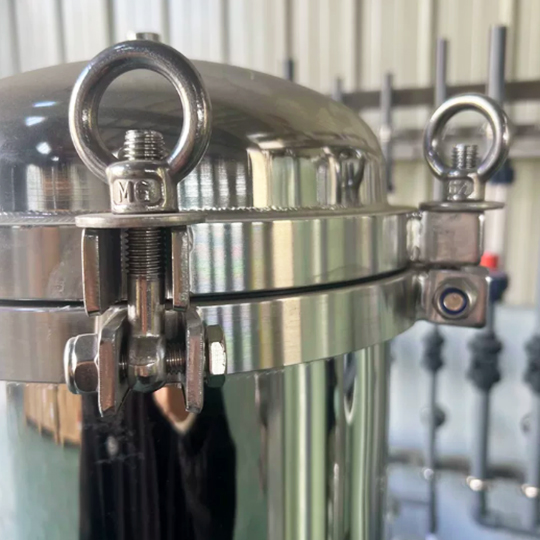
We provide various head fastening methods such as Tri clamp, Swing bolts, or Flange, making it easy for you to quickly replace filter cartridges and maintain Code 7 Filter Housing.

The Code 7 Filter Housing used in the food and pharmaceutical industries complies with FDA and GMP regulations for metal materials and sealing rings (such as silicone, EPDM, Viton) that come into contact with fluids.

Code 7 Filter Housing is manufactured in a modular and modular manner, saving you a lot of installation time.x
Certification of Code 7 Filter Housing
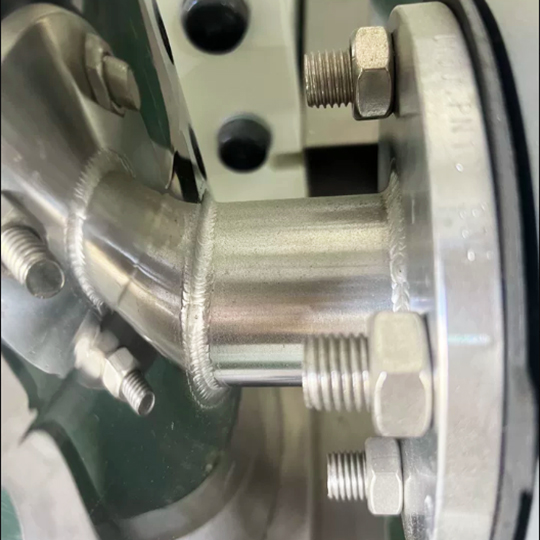
FiltEdge follows strict production processes and quality inspection standards to provide you with Code 7 Filter Housing that meets ISO/CE and FDA certification requirements. And we can provide you with a complete set of compliance documents, including raw material certification, hydrostatic test reports, weld test reports, and more. If necessary, we can also arrange a third-party testing company to test the filtering equipment for you.
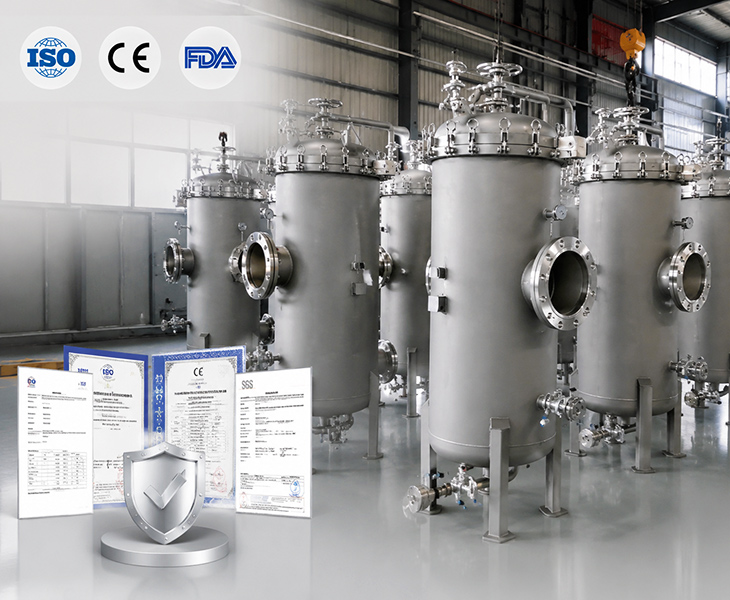

Application of Code 7 Filter Housing
With its sealing, safety and sterility characteristics, Code 7 Filter Housing is widely used in industries with strict purity requirements such as biopharmaceuticals, food, beverages, ultrapure water systems, microelectronics and semiconductors, and fine chemicals.
Customized Code 7 Filter Housing
Each operating condition is different, and the filtration requirements for the process are also different. Code 7 Filter Housing manufacturers can provide you with powerful customization support. Whether you need customized Tri camp, flange, thread and other inlet and outlet connection methods, exhaust and drainage devices, or customized installation brackets, series/parallel expansion, we can provide you with drawings and parameters based on your working conditions for precise customization.
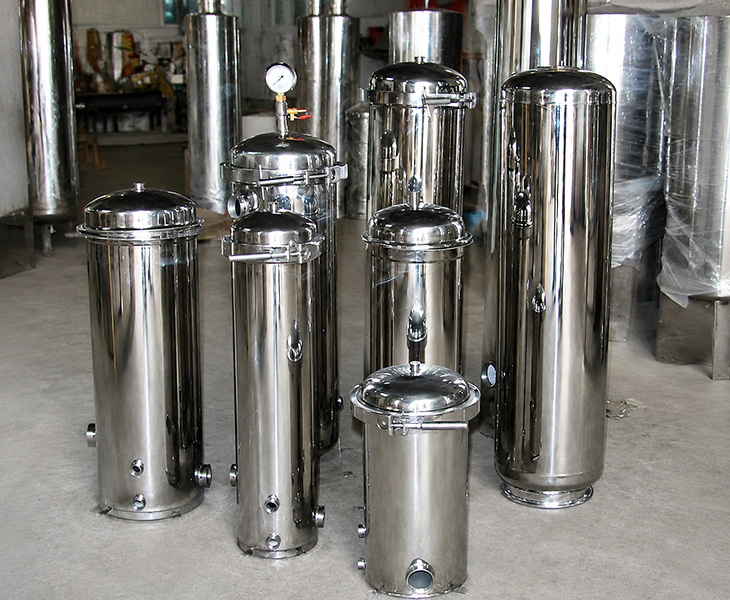
Code 7 Filter Housing Supplier's Services
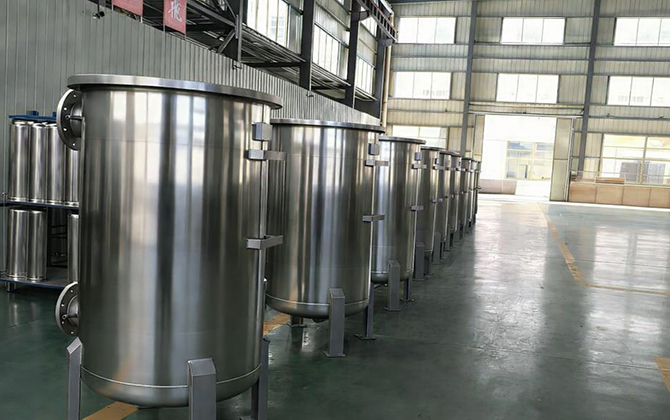
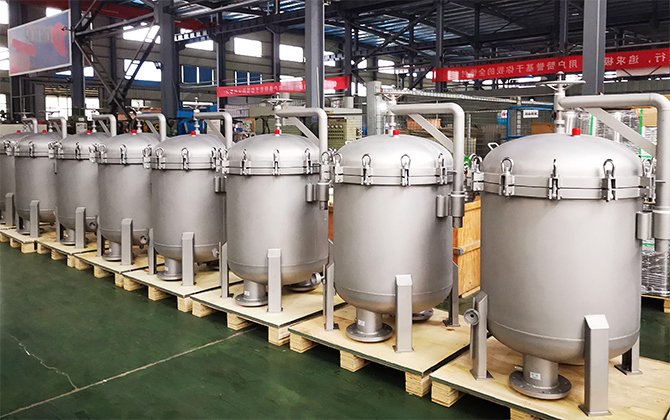
FiltEdge not only manufactures and provides filtering devices such as Code 7 Filter Housing, but also offers a complete set of filtering system solutions to solve the problems you encounter in industrial filtration. Based on 20 years of industry experience, as well as offices and warehouses in the United States, and a 3600 square meter Code 7 Filter Housing factory in China. FiltEdge can analyze working conditions, fluid analysis, sample testing, design and customize filtration equipment, calculate and reserve spare parts cycles, upgrade old equipment, conduct long-term cost analysis, provide on-site installation and maintenance, personnel training services, remote technical support, and more.
Contact us to learn more about FiltEdge’s services and help you quickly solve industrial problems.
Technical Parameters of Code 7 Filter Housing
Here are the specifications for Code 7 Filter Housing for your reference. We have a professional engineering design team that will select or customize special pressures, structures, non-standard inlet and outlet sizes based on your actual liquid properties.
- Technical Parameters of Code 7 Filter Housing
| Parameter | Specifications & Standards |
| Cartridge Interface | Code 7 (226 O‑ring with 2 Locking Tabs / Fin Single Open End) |
| Cartridge Capacity | 1‑, 3‑, 5‑, 7‑, 9‑, 12‑, up to 20+ rounds (high‑flow custom designs available) |
| Cartridge Length | 10″, 20″, 30″, 40″ |
| Housing Material | Premium 316L stainless steel (SUS316L) or 304 stainless steel (SUS304) |
| O‑ring / Gasket Material | Silicone, EPDM, Viton®, PTFE‑encapsulated |
| Internal Finish | Sanitary mechanical polish or electropolish (EP), surface roughness Ra < 0.4 µm (meets pharmaceutical‑grade standards) |
| External Finish | Mirror polish (Ra < 0.6 µm) or satin (matte) blast finish |
| Max. Operating Pressure | Standard design: 10 bar (145 psi); high‑pressure options: up to 16 bar or 25 bar |
| Max. Operating Temperature | 140 °C (limited by seal material and filter cartridge temperature tolerance) |
| Inlet / Outlet Connections | Tri‑clamp, ANSI/DIN/JIS flanges, or NPT/G threaded (male/female) |
| Auxiliary Ports (Vent / Drain) | Top vent valve / bottom drain valve: standard ½″ or ¾″ Tri‑clamp, or M14 threaded cap |
| Closure Type | Sanitary Tri‑clamp (Clover) / industrial swing bolts with hinged eye nuts |
| Compliance & Certifications | FDA food‑grade material certification, conforms to GMP aseptic processing standards, and meets pressure vessel codes |
I don’t recommend mixing them up. The structure of the end cap interface of the Code 7 filter used in the Code 7 Filter Housing is different from that of the 222, 226, and DOE filters. Their O-ring positions and clamping methods are different. If replaced, there may be inadequate sealing, leading to liquid leakage; Or the issue of end cap deformation.
This is usually caused by unsealed valves, incomplete closure of dump valves, O-ring material or installation issues in your Code 7 Filter Housing. You can regularly check the valves, seals, and bottom valves after replacing the filter element. If the problem is not resolved, you can contact us as soon as possible, and we will help you remotely check and provide a solution as soon as possible.
When installing the Code 7 Filter Housing, first be careful not to install the inlet and outlet directions of the filter element in the opposite direction to avoid the filter element bursting and contaminating the entire filtration system; Before starting the filtration process, pre fill or open a small exhaust valve to avoid the formation of air resistance inside the Code 7 Filter Housing; After draining, cleaning, and other operations, check if the bottom valve is tightly closed.
When using Code 7 Filter Housing in environments with high pressure fluctuations, you need to consider whether the material of the Code 7 Filter Housing is of high quality and whether the wall thickness meets the standards; The structure of the filter element and whether there is a support layer; And whether the Code 7 Filter Housing is used within the specified pressure range. Finally, it is recommended that you avoid sudden and significant pressure increases when using filtering equipment and adopt a “slow pressure increase” operation method.