

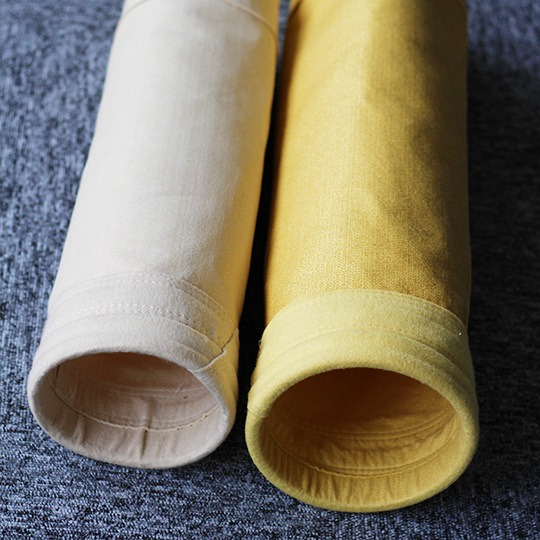
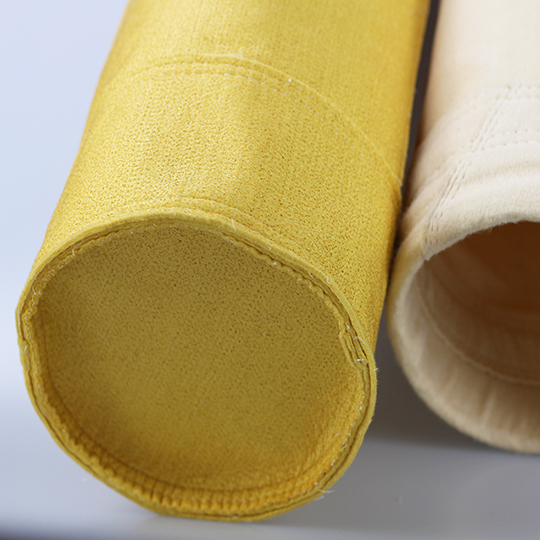
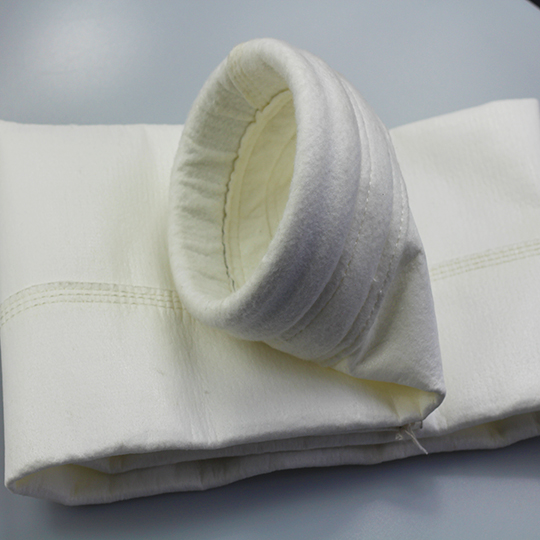
FiltEdge Newly Low-Resistance & High-Efficiency Filter Bags for Kiln Tail Applications
- ePTFE membrane + P84 ultrafine layer + P84/glass fiber hybrid needle felt
- Balanced performance, cost and compliance needs
- Wide compatibility with mainstream conventional baghouse dust collectors and processes in Europe and the US
- Achieving ultra-low emission compliance
- High air permeability and low resistance to reduce energy consumption
- E-Glass fiber with high strength for frequent cleaning
- Long-term exposure to high temperatures of up to 260°C (482°F)
- PTFE composite emulsion impregnation to further adapt to the harsh working conditions
What Is a Cement Filter Bag?
Cement plant filter bags are, as the name suggests, baghouse filter bags used in various process stages of a cement plant to capture the release of various fumes and finished cement powder to meet environmental emission requirements and process collection needs.
In view of the high and fluctuating temperatures, highly abrasive, ultra-fine, high dust holding capacity, and chemical corrosion of the harsh conditions of cement plant fume, FiltEdge has developed special filter medias and bag designs to match the characteristics of specific process stages, such as high temperature resistance, high permeability and low resistance, and ultra-clean emission technologies to ensure the realization of ultra-low emissions under the premise of efficient and long-term stable operation of the production.
FiltEdge Cement Filter Bags by Filter Medias
In addition to offering a wide range of filter bags processed with classic filter media, FiltEdge has optimized and developed many original filter media technologies based on extensive application experience, such as coating/chemical resistance formulations, fiber ratios, and abrasion-resistant, highly permeable ePTFE membranes, to achieve better filtration, longer service life, and lower total life cycle costs. Lower total life cycle cost.
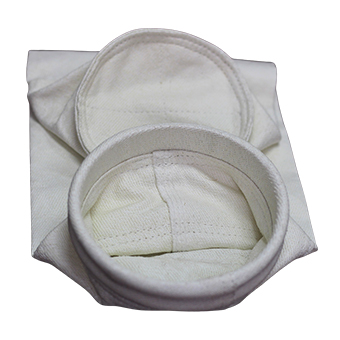
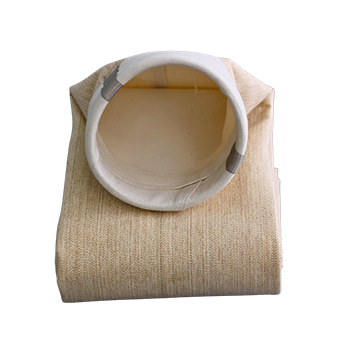
FiltEdge uses only the world’s Top3 m-aramid fibers, which are resistant to medium to high temperatures, abrasive dust, high dust concentration, and can be chemically treated as needed for long term stable use.
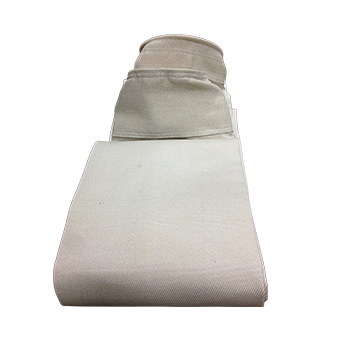
The most cost-effective option for ultra-low emissions, E-Glass fibers combine strength, chemical and high temperature resistance, together with FiltEdge’s proprietary formulated post-treatment process to give the media softness, folding performance and chemical resistance.
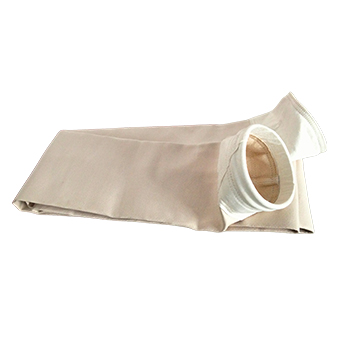
FiltEdge’s evolutionary version of the glass fiber needle felt laminated/coated filter bag, the blend of high temperature resistant organic fibers improves fiber-to-fiber adhesion and reduces pore size, resulting in better soot clearing fatigue resistance and filtration effect, and longer service life.
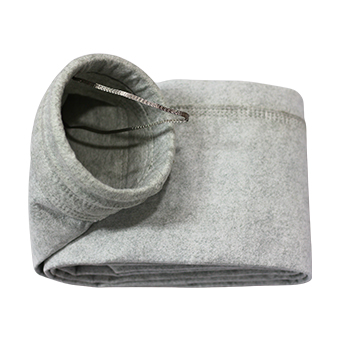
FiltEdge uniformly mixes PET fiber with a specific proportion of conductive fibers, the highest level of 10⁵–10⁶Ω of surface resistivity, much lower than the 10⁹Ω standards, more efficient, fast, long-term stability, safe discharge of static electricity, anti-flammable and explosion-proof.
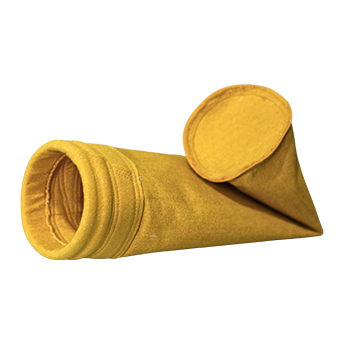
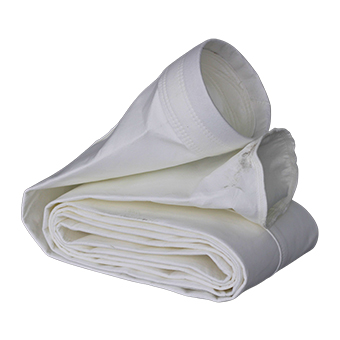
FiltEdge insists on always processing PET needle felts with virgin polymerized large mill PET fibers to achieve truly more reliable and longer service life, despite the significantly higher cost, with absolutely long term stable operation as our real first priority.
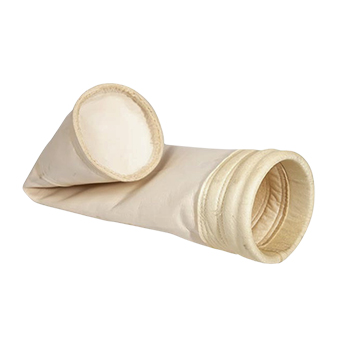
FiltEdge uses only the world’s Top3 linear PPS fibers, which are resistant to medium and high temperatures, chemical corrosion, and stable quality, and must be used at less than 10% oxygen content, and the fibers can be protected to achieve better chemical corrosion and oxidation resistance as needed.
FiltEdge Typical Cement Filter Bags by Process Stages
FiltEdge has developed a wide range of excellent filter bags based on the general characteristics of the different cement production process stages, listed to meet most of the basic use requirements, in addition, we have a wide range of filter bags may be adapted to the same process stage filtration needs, for specific complex conditions we also provide customized design and development. The ultimate goal is to ensure that your practical use and emission requirements are based on a comprehensive evaluation of the different cement production stages conditions, rather than on a simple standard filter bag, and in many cases we have been able to achieve ultra-low emissions of less than 5mg/Nm3.
Different stages of cement production require different filter bags
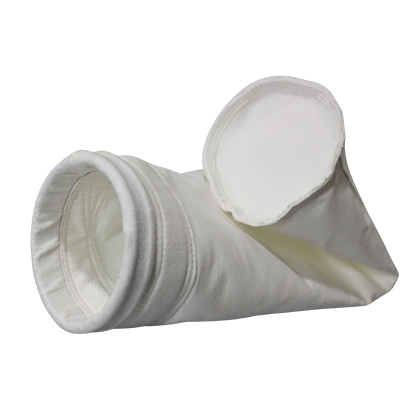 Raw Material Crushing and Conveying
PET Needled Felt Filter Bags
PET Needled Felt Filter Bags with ePTFE Membrane
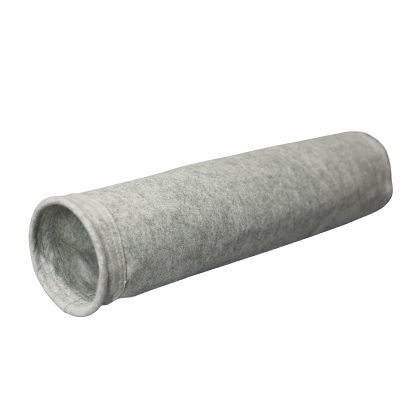 Raw Material Mill
PET Anti-Static Needled Felt Filter Bags with ePTFE Membrane
PPS Needled Felt Filter Bags with ePTFE Membrane
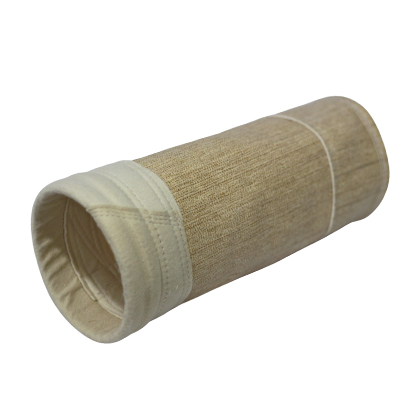 Clinker Grate CoolerFiberglass Needled Felt Filter Bag with PTFE Coated/ePTFE MembraneFiberglass + P84 Composite Needled Felt Filter Bag with PTFE Coated/ePTFE Membrane
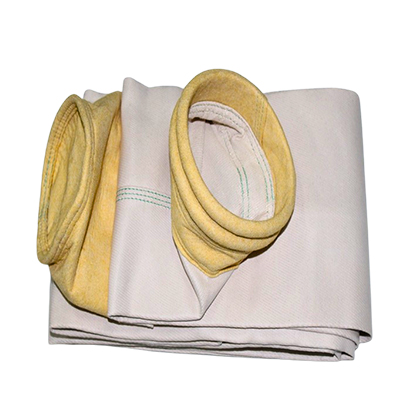 Kiln Tail
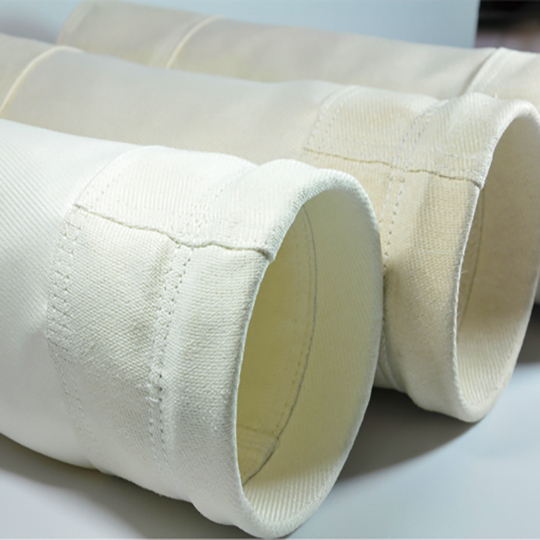
Classic Fiberglass Woven Fabric Filter Bag with ePTFE Membrane
New Low-Resistance & High-Efficiency P84 ultrafine Layer + P84/Fiberglass Hybrid Needled Felt Filter Bag with ePTFE Membrane
Fiberglass Needled Felt Filter Bag with PTFE Coated/ePTFE Membrane
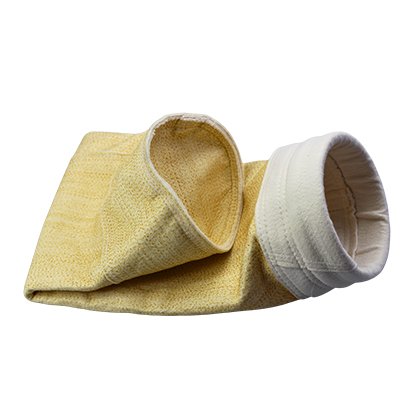 Kiln Head
Aramid Needled Felt Filter Bags
Fiberglass Needled Felt Filter Bag with PTFE Coated/ePTFE Membrane
Fiberglass + P84 Composite Needled Felt Filter Bag with PTFE Coated/ePTFE Membrane
Fiberglass Woven Fabric Filter Bags
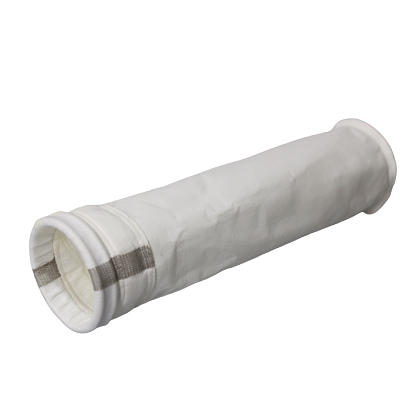 Pulverized Coal Preparation System - Coal Mill
PET Anti-Static Needled Felt Filter Bags with ePTFE Membrane
PET Anti-Static Needled Felt Filter Bags
Carbon Black-Treated Fiberglass Woven Fabric Filter Bags with ePTFE Membrane (Very limited legacy systems application)
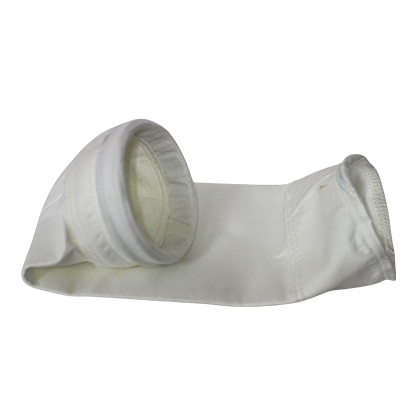
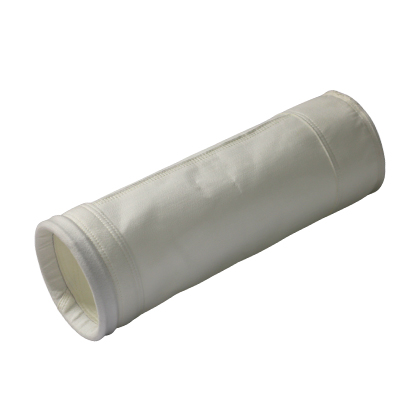 Packaging System
PET Needled Felt Filter Bags
PET Needled Felt Filter Bag with ePTFE Membrane
Key Features of FiltEdge Cement Filter Bags
The quality of a baghouse filter bag depends on the selection of fiber selection, structural/ratio characteristics, filter media processing and bag configuration, while its ultimate performance depends on adjusting the production process and application suitability according to the different conditions of the application, as well as on good operation and maintenance in the later stages. FiltEdge is committed to carefully designing and manufacturing each product to optimize the filter media and filter bag process for the cement industry to achieve more stable filtration, easier maintenance, predictable service life, and environmental compliance.

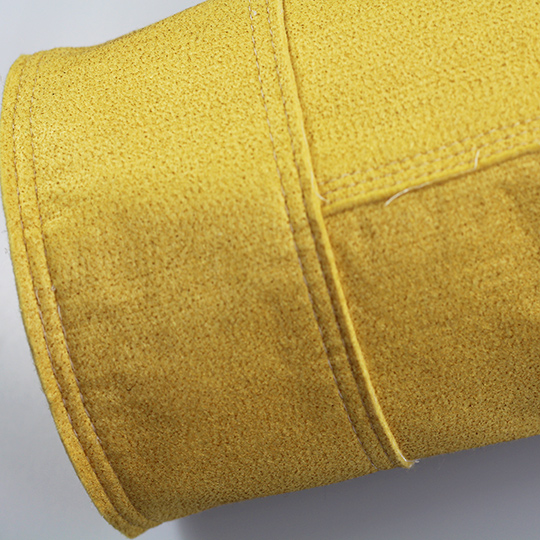
Fiberglass woven fabric filter bags with membrane are prone to crumbling at the seams, FiltEdge flap dual locking for a stronger seam hold and to withstand frequent cleaning.

In order to match the high temperature resistance needs of fiberglass and even P84 filter bags, FiltEdge uses high-strength, high-temperature, folding- and abrasion-resistant, and chemical-resistant PTFE filament sewing threads to prevent the threads from aging and corroding and failing.

Needle holes in filter bags with membrane are generally vulnerable parts and can easily become points of leakage. FiltEdge utilizes PTFE tapes/coatings to seal the seams/needle holes to avoid bag leakage failure.

Long filter bags are prone to friction and collision at the bottom part, resulting in abrasion and loss of efficiency, FiltEdge targeted double-layer reinforcement, especially for non-abrasion-resistant fiberglass woven fabric filter bags with membrane.

FiltEdge utilizes a reinforced dual bottom disk to prevent bag bottom disk leakage under high pressure and frequent cleaning conditions, where short bags and non-flexing filter bags are susceptible to impact damage.

FiltEdge uses PTFE needle punched felts as the sealing wrapping and reinforcement material for glass fiber woven fabric filter bags snap bands which provide better abrasion resistance and sealing elasticity than glass fiber woven fabrics, improving leakage prevention safety.

FiltEdge’s ultra-fine surface gradient media allows dust to form a cake and be trapped on the surface of the media, while gases are able to pass quickly and with low resistance through the sequentially graded pore sizes, realizing the perfect combination of high filtration accuracy and low energy consumption.

FiltEdge modified reinforced biaxially oriented ePTFE membranes with different laminating processes enable ultra-low emissions for a wide range of filter media while maintaining a stable pressure drop.
Why Choose FiltEdge for Cement Filter Bags?
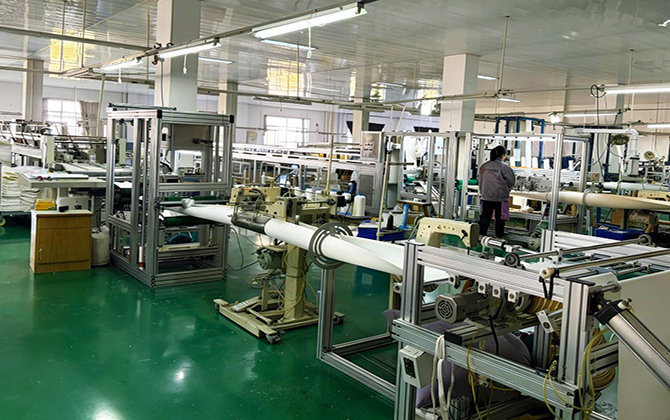
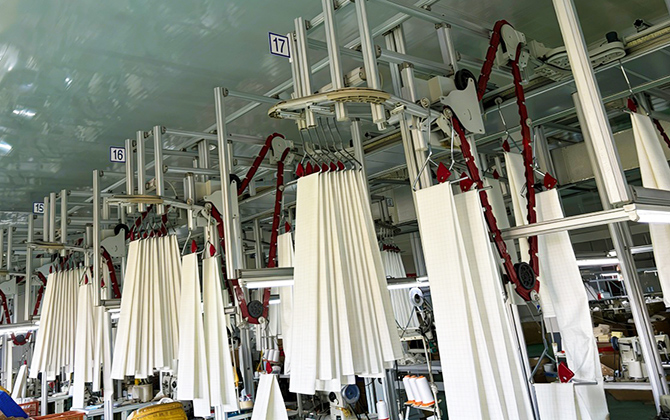
FiltEdge LLC is a U.S. company established in 2025, supported by SFFILTECH in China, established in 2006. Manufacturing support is provided through SFFILTECH in China. Confirm product specifications, available quality documents, pricing and delivery in the quotation. Certificates must be checked for the relevant entity, facility and product. Support is arranged during business hours; any on-site service or warranty terms require separate agreement.
Why Black Glass Fiber Woven Fabric Filter Bags Confused the Market?
Are you buying glass fiber woven fabric filter bags based on black color only? Are you sure you are buying the right filter bag? There are two types of black fiberglass woven filter bags on the market that look very similar on the outside, but their performance and usage scenarios are very different. Misuse often leads to frequent damage to the filter bag, emission standards are not met, FiltEdge according to your working conditions to match the filter bag, if you are not sure which kind of filter bag you are now, we provide free testing and analysis to help you optimize the use of the elimination of risks and hidden dangers.
Emission requirements are not tight, the old reverse air cleaning, A/C ration is not high, you can consider not laminating, if it is a low-pressure pulse, A/C ratio is high, the requirements of ultra-low emissions, no matter what kind of fiberglass filter bag, should be laminating.
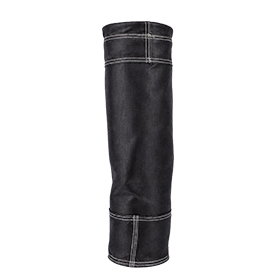
After the scaled graphite treated fiberglass is bright gray, with a metallic texture, due to the graphite and fiberglass, FiltEdge unique formula silicone between the formation of a stable network structure, the graphite adhesion is stable and long-lasting, so that the fiberglass produces excellent lubrication, to improve the folding fatigue life of the fiberglass filter bag of at least 50%-100%, and at the same time, both have a certain degree of acid-proof, Meanwhile, it has a certain anti-acid, anti-dissolution and long-term anti-static effect, generally stabilized at a surface resistivity of 10⁶–10⁸ Ω.
It is generally used to deal with high-temperature, highly abrasive fume and dust, such as cement kiln head/kiln tail/drying mills, ferro-alloys, calcium carbide furnaces, and so on.
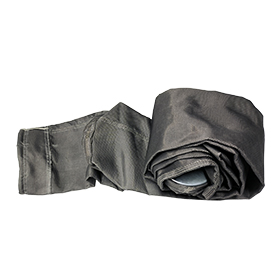
After nano-scale particles of carbon black treatment of fiberglass was matte deep black, it is more filled in the fiberglass and fiberglass gap, and fiberglass adhesion is weak, not persistent, not stable, easy to lose color. Its most important feature is the short-term “anti-static”, with an initial short-term high conductivity, up to the surface resistivity of 10⁶–10⁸ Ω. level, with the partial shedding of carbon black particles relying on the point of connection of the physical conductive pathway partially interrupted the conductive ability to gradually decline to 10⁸- 10¹¹Ω level, generally can be maintained for 2-6 months.
It is primarily used in high temperature, short-term, high level safety factor anti-static environments such as carbon black manufacturing plants, smelting and chemical industries, and may be used sparingly in some older pulverized coal silo/coal mill process section dust collector systems.While FiltEdge still offers compatible replacement fiberglass bags for carbon black handling, most customers have replaced them with polyester anti-static needled felt bags, and they are not recommended for this application.
If you come across it at any other stage of the process in the cement industry, the odds are that it is a cheap substitute and needs to be treated with caution.
E-glass Woven Fabric Filter Bags with Membrane & C-glass Woven Fabric Filter Bags
Glass fiber filter bags have a wide market in the cement industry, is the most important filter bags, excellent performance and affordable. Although there are many types of glass fiber, glass fiber used in the cement industry, but only two types of glass fiber, they are differentiated by the content of alkali metal contained in the E-glass fiber and C-glass fiber. Although the performance of C-glass fiber in practical application is better than its theoretical acid resistance, the price is cheap, but its strength, stability, folding fatigue is not suitable for long-term, pulse cleaning use.For the reverse air dust collector, the life of the requirements are not high can be considered. FiltEdge according to the long-term experience in the application of the development of a variety of post-processing formulations for the E-glass fiber and process combinations, to achieve high-frequency and high strength cleaning, stable and long-life and ultra-low emission requirements. This reduces the need for frequent downtime for bag changes, personnel maintenance, and total life cycle costs.
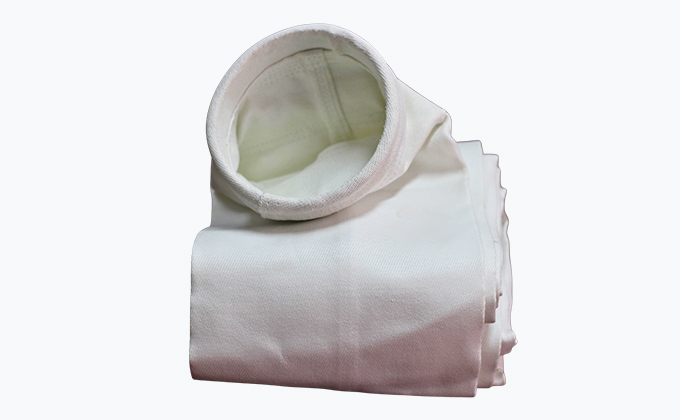
Long-lasting, stable, low life-cycle cost, low maintenance, ultra-low emissions, suitable for reverse air and low-pressure pulse dust collectors
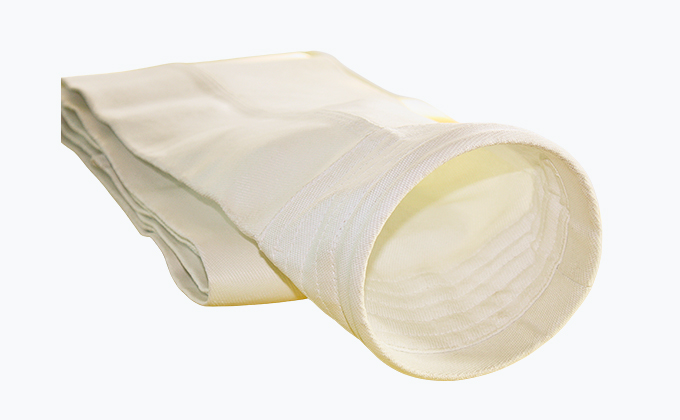
Economical, low initial investment, acceptable for frequent multiple bag changes, unstrict emission requirements, high tolerance with various conditions, suitable for reverse air dust collectors.
Of course not.
They may look exactly the same on the outside, but there are huge differences in raw materials, finishes processes, performance, applicable working conditions and final results.
Judging the type of filter bag by its appearance alone can easily lead to mistakes, affecting operations and emissions, and even resulting in serious consequences such as failure to meet environmental standards and downtime. It is best to contact FiltEdge experts to conduct free tests or analyze the overall working conditions to determine the selection of the type.
FiltEdge designs and manufactures virtually all types of fiberglass filter bags, and while each has its own advantages and disadvantages, they can all be put to good use with our expert technical support.
CTA: [Contact FiltEdge experts to help identify the right filter bag for your need application]
Both work well under different operating conditions.
Needled felts are more widely used in the real world, and are more compatible with a wide range of conditions and fluctuations.
They can both be used in pulse filters, but needle felt can be pulsed at high pressure while woven fabric can only be pulsed at low pressure (not recommended).
They can both be used in reverse air filters.
They can both be used in ultra-low emission applications, but needle felted bags can withstand higher cleaning pressures and frequencies and perform better in space-constrained, high dust conditions.
Woven fabric coated filter bags are more compatible with conventional dust collector equipment and have a longer service life due to the fact that they use a reverse air system with lower lower A/C ratio and gentle cleaning in the majority of cases.
With FiltEdge’s technical assistance, both types of bags will find a suitable home.
CTA: [Discuss with FiltEdge experts to determine the best choice for your specific operating conditions.]
Pulse + E-glass fiber or composite needle felt + ePTFE membrane is undoubtedly the mainstream trend in the cement industry at present.
Due to the increasingly stringent environmental protection requirements, pulse dust collectors with high efficiency, high air handling capacity, high dust concentration and better compatibility are the mainstream choices for development, while providing more stable operational performance and easy installation/maintenance.
The matching E-glass fiber needle felt or E-glass fiber composite needle felt provides very high temperature adaptability, chemical resistance (post-treatment), high strength requirements, so that the filter media can provide long-term stable service at a relatively reasonable cost, and does not deteriorate and fail prematurely in the harsh environment of the cement industry.
The ePTFE membrane on the surface achieves ultra-clean emissions (<5mg/Nm3).
The starting point for the success of the project is the quality of E-glass fiber, post-treatment formula and process, ePTFE membrane quality and laminating process. FiltEdge has carried out long-term technological research in these aspects through engineering practice, accumulated a lot of Know-How, and developed proprietary formulas and processes suitable for a variety of working conditions, which have been stably operated in a number of cement projects, and the longest service life has been up to more than 5 years and is still in service.
However, the final performance of dust removal is a systematic project of filter bags, condition adaptation, operation/maintenance and system design, and FiltEdge always provides condition-oriented technical support throughout the process to ensure that the filter bags can be used for a long time, be used well, and be used with peace of mind, and to minimize the whole life cycle cost.
CTA: [Contact FiltEdge experts to learn more about our advanced filter bag technologies]
Although the initial investment is higher, E-glass woven filter bags with membrane provide more stable, long-term, high efficiency, low emissions, low operating pressure drop, avoid frequent bag changes, reduce labor and energy expenses, and have lower total life cycle costs, downtime and environmental compliance risks. This may be one of the trends as environmental regulations become more stringent around the world.
Thanks to our E-glass fiber-First strategy, FiltEdge’s full line of E-glass Fiber Woven Fabric Filter Bags with Membrane offers a more comprehensive selection and can be customized for your one-stop shopping convenience.
CTA: [Explore further details with FiltEdge.]
Yes, of course.
Although there are a lot of limitations of the C-glass woven fabric filter bag, its cost is suitable, and it can achieve a certain dust removal effect through the appropriate selection and operation, and it is still widely used in many countries.
For the initial budget is limited, emission requirements are not high, and the old reverse air dust collector condition, it is still workable and can be applied to the working conditions of relatively high fluctuation, but its service life is generally shorter than the E-glass woven fabric filter bag with membrane..
While we believe that E-glass filter bags are better overall than C-glass filter bags, FiltEdge offers a variety of modified and post-treated C-glass filter bags to ensure that they achieve improved performance and give your dust collection system a higher level of security for the Chinese and some other Asian markets.
CTA: [For a high-value dust collection solution, please consult our experts for support.]
It is not “can’t”, but “not cost-effective” and “don’t choose”.
Main reasons:
High alkali content leads to low surface activity, which is easy to be hydrolyzed and corroded in humid or alkaline environments and difficult to form stable chemical bonds with common polymer films.
Weakening of bonding interface: The lamination needs to rely on intermediate functional groups to bond the film to the glass fiber, and because of the extremely low density of Si-OH on the surface of the C-glass fiber, the coupling agent (e.g., silane) can only be attached to the glass fiber by weak physical adsorption or hydrogen bonding, and cannot anchor the transition layer stably for a long time, leading to the breakage of the entire chemical bond, insufficient interfacial adhesion, and easy to film peeling under temperature and humidity cycling or mechanical stress.
If you need to laminate the membrane, process is costly and not cost-effective.You need to reconfigure the Si-O-Si network on the surface by plasma or chemical etching first, and then laminate the membrane.
Of course not absolutely, there are still some C-glass woven fabric filter bags with membrane on the market, especially in the Chinese market.
In the long run, the E-glass woven fabric with membrane is undoubtedly better, more durable and more economical, and the C-glass woven fabric filter bag can cope with the unstrict emission requirements operation conditions.
CTA: [Consult with FiltEdge experts for further comparisons]
Yes, but it depends on the working conditions. If normal standard filter bags can be used, it is better not to use non-standard filter bags.
In the expansion of cement plants (especially cement mills, powder separators, and vault tops), if the space is limited, you can consider using pleated filter bags, but you can’t use fiberglass materials that don’t tolerate small-radius bends, as their brittleness can easily lead to stress concentration, dead spots for dust removal, and premature bag failure.
Pleated filter bags are more complex than standard filter bags, not only is the choice of filter media critical, but also the design/configuration of the filter bag and the suitability of the working conditions, FiltEdge has always advocated an application-oriented attitude to ensure that you choose the right filter bag and use the right filter bag.
CTA: [Contact FiltEdge experts for technical support on pleated filter bag selection]
As long life operation and low emissions become more and more common, the star-shaped multi-ribbed bag cage provides an even more powerful aid to the use of pleated filter bags, and in combination with the FiltEdge cage surface treatment, can typically extend the life of the bag by about 30%.
The star-shaped design of the bag cage provides more uniform support to the filter bag:
→Provides more uniform support and prevents pleat collapse
→Less wear and tear, star-shaped cross-section realizes “point contact”, reducing the contact area by 40%-50% compared to a rounded shape
→More efficient dust removal, smooth airflow channels between the pleats, more stable and lower differential pressure, and lower energy consumption of the system Lower
→structure is more stable, strong deformation resistance.
CTA: [Contact FiltEdge experts to learn more about the advantages of star-shaped cages.]
FiltEdge Cement Glass Fiber Woven Filter Bags Media Treatment Technology
Compared to other filter bags, the finishing process of glass fiber woven fabrics is even more critical to the effectiveness and longevity of the filter bag. Due to its brittleness, chemical resistance and cement industry characteristics, the finishing process differs from that of other filter media, and FiltEdge has developed a wide range of finishing processes that can be combined to significantly improve performance and service life.
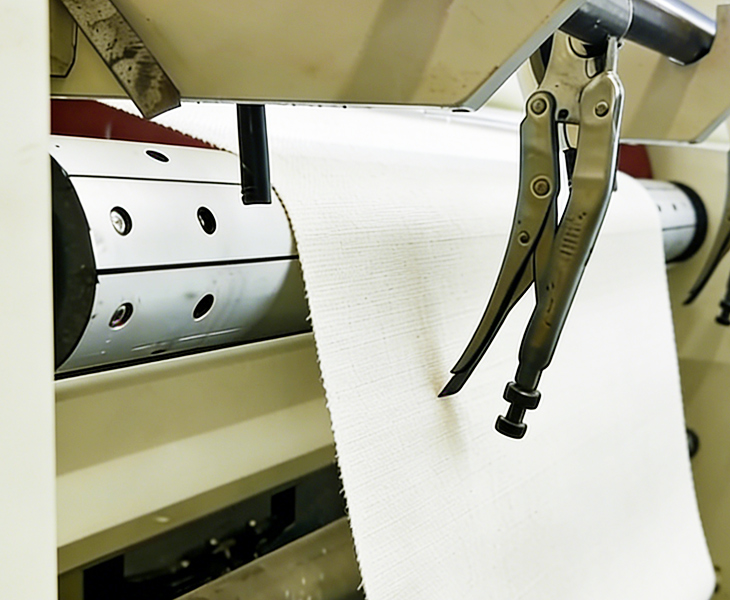
- Soft Finish
Because glass fibers are naturally unforgiving, in addition to using lower fineness fibers, FiltEdge applies a quaternary ammonium soft finish to the finished glass fiber woven fabric to dramatically increase the softness of the filter media and make it more resistant to folding and abrasion. - Water Repellent and Anti-condensation Treatment
Hydrolysis and acid condensation are tough tests for glass fibers. FiltEdge utilizes a unique silicone-based emulsion to treat the filter media to reduce surface energy and increase contact angle, making it less susceptible to droplet infiltration hydrolysis/acid decomposition. - Graphite Treatment
The graphite powder is bridged by a silane coupling agent to form a dense, layered, highly adhesive, mechanical abrasion-resistant ternary covalent network of “fiberglass-silicone-graphite”, which achieves the effect of anti-static, anti-acid corrosion, anti-slumping and easy cleaning. It is anti-static, anti-acid corrosion, anti-slumping and easy to remove dust. - Fluorosilane Enhancers
Work synergistically with silicone in steps to form a dense, lower surface energy film on the surface, realizing super hydrophobicity+super oleophobicity (larger contact angle>145°), giving the interface more durable anti-fouling, anti-seepage, anti-condensation, and easy cleaning performance. - PTFE Impregnation Treatment
The impregnation of PTFE emulsion forms a protective layer on the surface of the fiberglass, which provides a certain degree of corrosion resistance, and at the same time serves as a pre-treatment for the ePTFE membrane lamination to ensure a better and more solid lamination effect. - ePTFE Membrane Laminated- Essential for E-glass fiber Woven Fabric
ePTFE membrane lamination not only provide ultra-low emissions (less than 5mg/Nm3) and stabilized differential pressures to reduce energy consumption, but also protect the glass fibers from hydrolysis and acid corrosion to achieve a longer service life. - Acid Resistant Treatment -It’s a Must for E-Glass
Since E-Glass is naturally acid resistant, FiltEdge has achieved acid resistance for its fiberglass filter media through a full finish process with a proprietary formulation, i.e., fluorosilane reinforcement + PTFE impregnation + ePTFE membrane to significantly enhance its resistance to the acidic environment at the end of the kiln, which can extend its service life up to 3-5 years.