

What Is a Dust Collector Filter Bag?
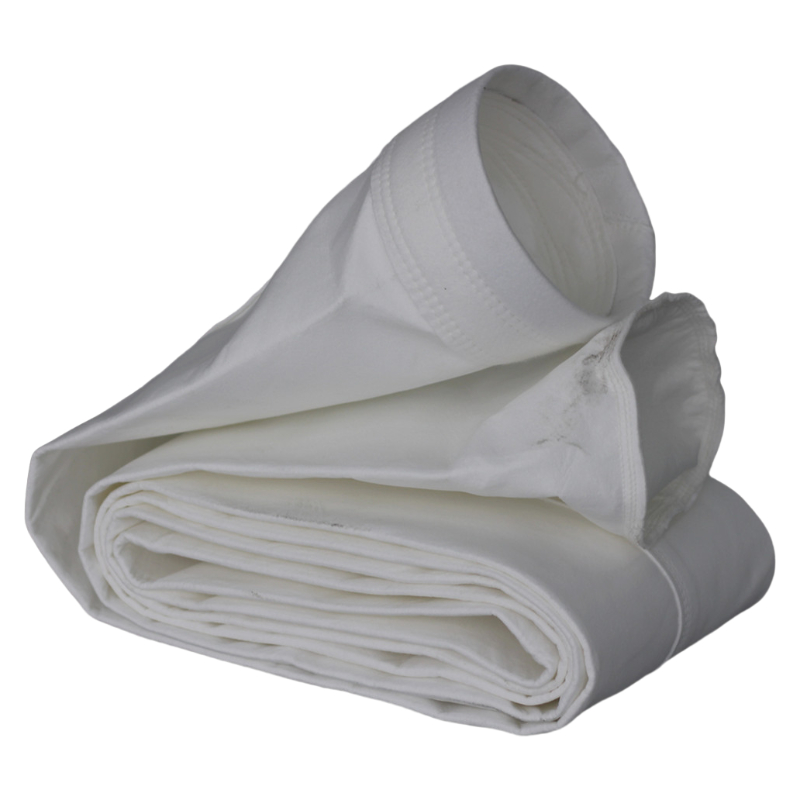
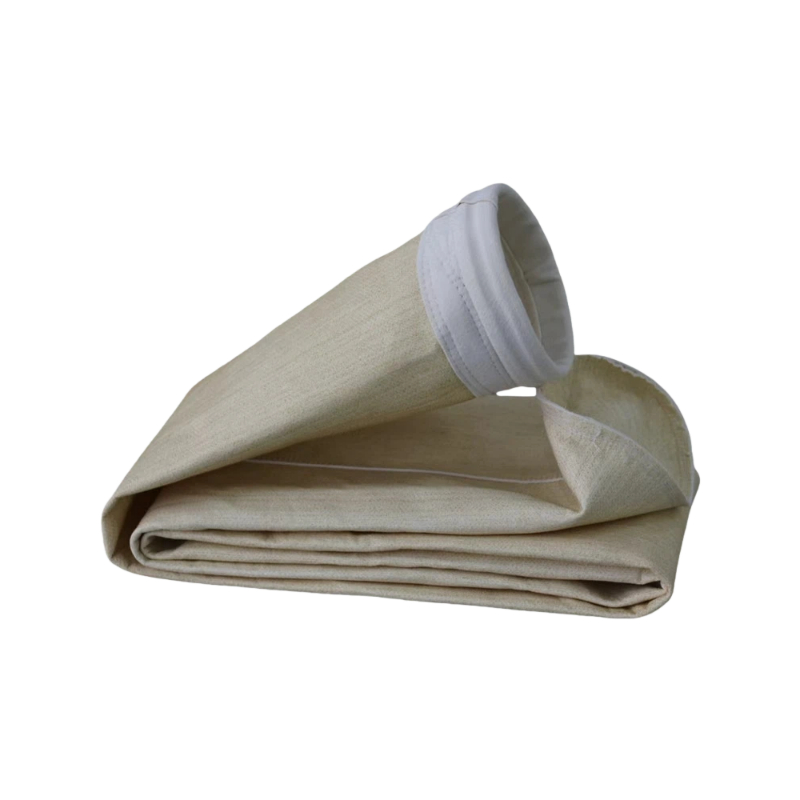
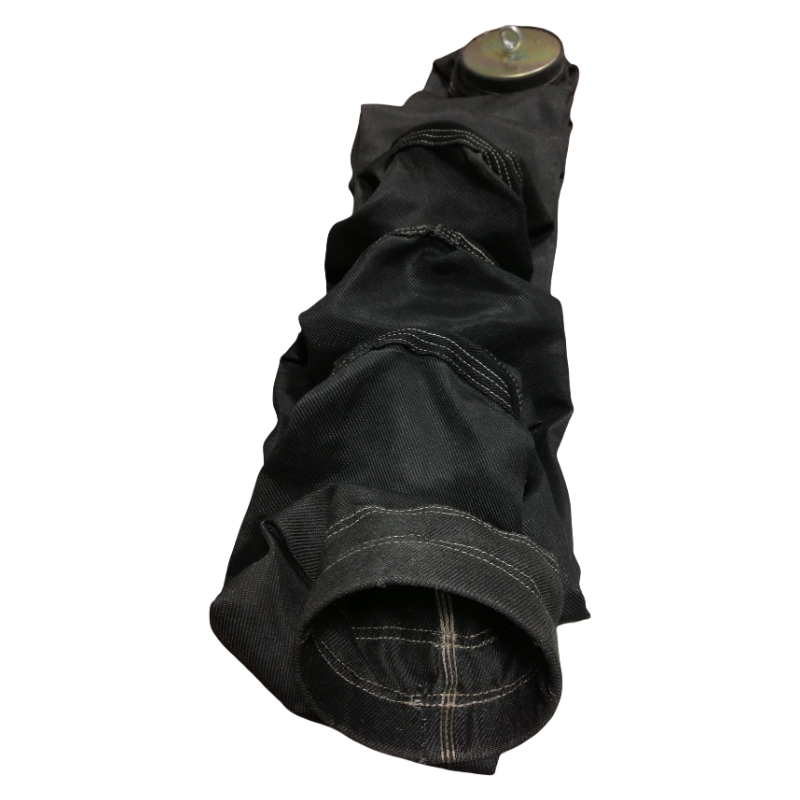
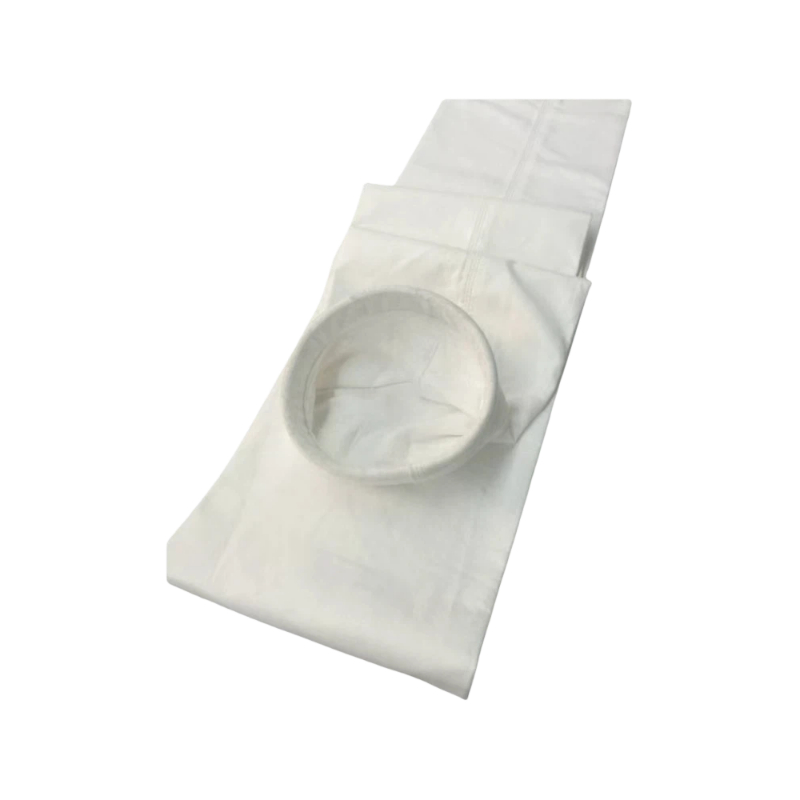
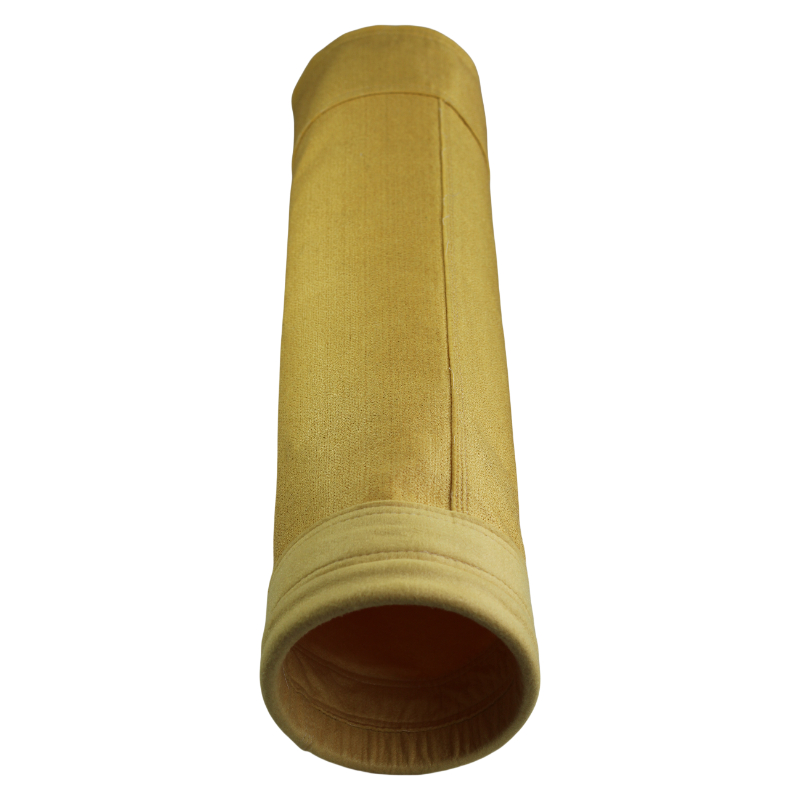
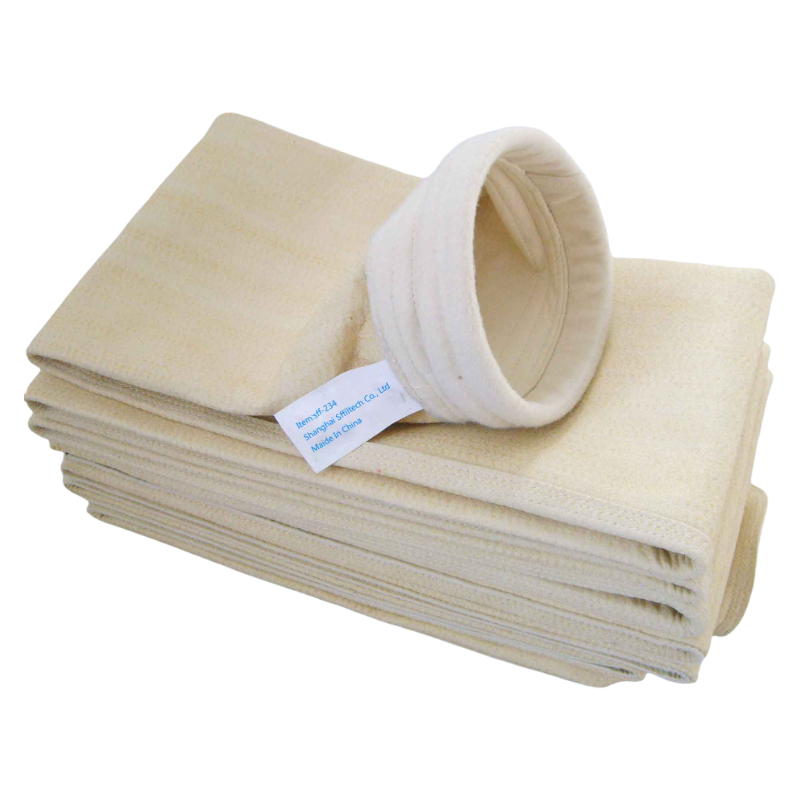
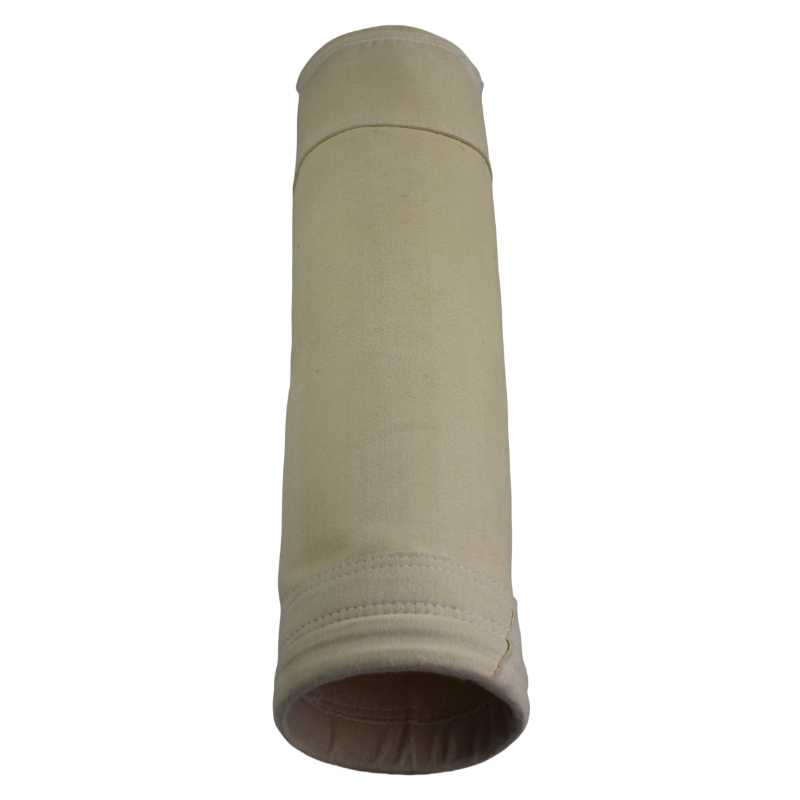
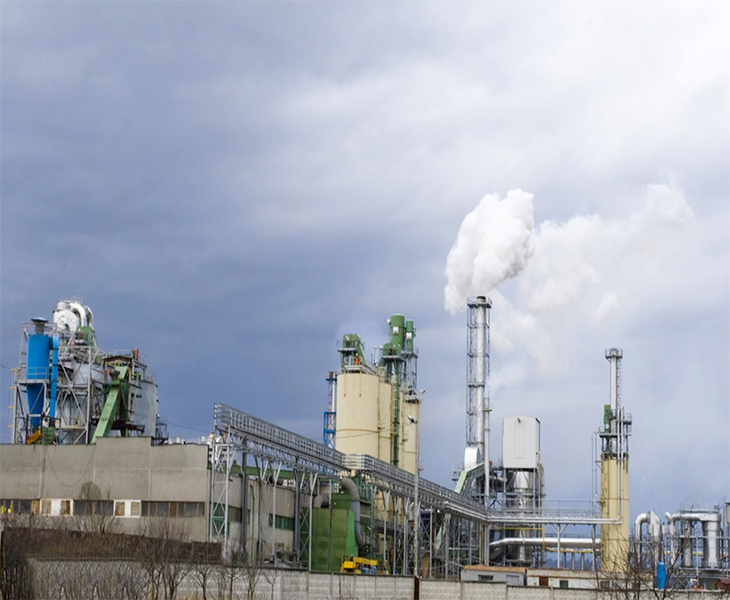
Dust collector filter bags – also known as dust collection filter bags or filter bags for dust collector – are engineered to separate dust from contaminated gas streams, delivering superior air purification and valuable material recovery. Available as durable felt filter bags or precision woven fabric filter bags, these industrial dust filter bags are critical for heavy industries like cement, steel, non-ferrous metallurgy, chemical, and silicone production. Any facility with dust-emitting processes can benefit from our certified filter bag solutions.
Various Industrial Dust Collection Bags
Choosing the right raw material is critical to maximizing dust collector efficiency and filter bag service life.
FiltEdge supply a full range of high-performance filtration fibers, including polypropylene, polyester, homopolymer acrylic, PPS, aramid, Polyimide, PTFE, fiberglass, and basalt—each designed for demanding industrial filtration applications such as high temperature, corrosion resistance, and fine particle capture.
By integrating advanced manufacturing technologies, specialized surface treatments, and customizable filter bag configurations, FiltEdge engineer dust collector filter bags tailored to your exact operating conditions. This approach delivers consistent performance, reliable replacement filter bags, and custom industrial filtration solutions you can depend on.
Features of Dust Collector Filter Bags
At FiltEdge, we believe that true value extends far beyond the product itself, encompassing comprehensive technical expertise, system optimization, and long-term service support to ensure an optimal final user experience result.

We use European needle punching machines.
Each batch is tested for air flow and strength.
Our quality is stable and reliable.

Our filter bags work well day after day.
They keep good filtration even when conditions change.

As our fiber used is even with advance needle punched machine then air can pass easily,dust stays on the surface, not deep inside
that performance lower pressure drop.
This helps save fan power and energy cost.

We make more than 40,000 custom filter bags every month.
Each bag is made to fit your system and your needs.

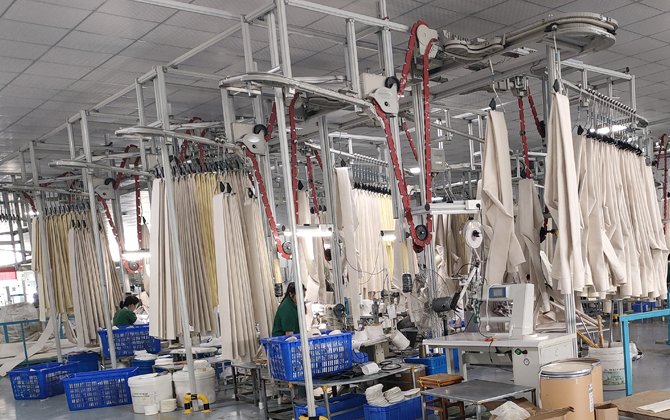
We have 10+ automatic production lines and nearly 100 workers.
Big orders are not a problem for us.

Our filter bags last longer.
This means less replacement and less downtime.

We started export business in 2006.
We work with customers in Europe and the USA for many years.

More than 200 customers choose us again and again.
They trust our quality and service.
Dust Collector Filter Bags OEM Manufacturers
As a dust collector OEM manufacturer, are you struggling to choose the right dust filter bags for your new dust collection project? It’s actually quite simple; just follow these basic principles to solve your problems:
1.Dust Collector Filter Bag Operating Conditions
Flue gas temperature and chemical conditions are the most critical parameters. Of course, dust properties, moisture content, and emission requirements are also important, as they fundamentally determine the type of filter media you must use.
2.Dust Collector Filter Bag Finishes
After selecting the basic media, different finish processes can provide your filter bags with superior performance and extend their service life. Please refer to the detailed finish process descriptions.
3.Dust Collector Filter Bag Configuration
Depending on the dust collector design, there are cylindrical, flat, and pleated filter bags. The processing methods for the bag head and bottom also vary. The size of the filter bag must be compatible with the corresponding filter cage and tube sheets.

Dust Collector Filter Bag End Users
If you are an end-user of a dust collector and looking for replacement filter bags, you likely already have relevant information about the filter bags.
If you are unsure, please provide a sample bag, and contact us for free technical analysis.
If you doubt your current filter bags are not performing well, please first check your dust collector design and operating conditions, and analyze the operating conditions, finishes, and filter bag configuration, then contact us to help you choose the right filter bags.
Dust Collector Filter Bag Dealers
We believe you are already a professional in this field, so please feel free to state your specific needs directly. FiltEdge welcomes dealers and distributors worldwide to explore cooperation opportunities with us. We value our partners’ contributions and are committed to protecting your business interests. If you have any questions, we would be pleased to discuss them with you.

Why Choose Our Dust Collector Filter Bags?
- Ultra-Low Emission Performance
Membrane filtration and fine surface technologies enable emission levels below 5 mg/Nm³, meeting stringent environmental regulations.
- In-House Factory Manufacturing
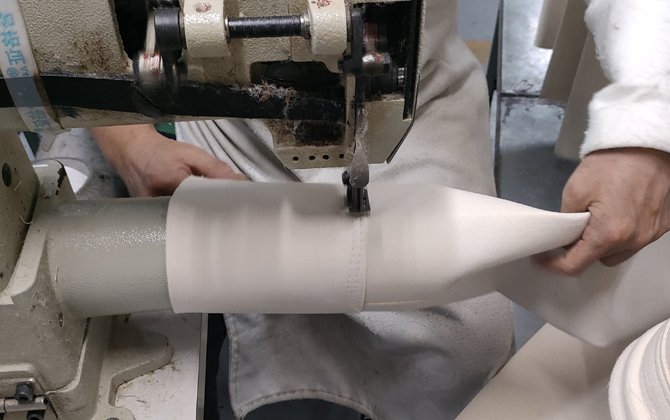
Production in our own factory offer you flexible option while promising controlled quality, reliable lead times, ongoing process improvements and competitive pricing.
- Broad Filtration Expertise
Our experienced technical team applies proven filtration know-how from broad industrial cases to optimize filter bag performance
- Certified & Globally Compliant
Our industrial filter bags comply with international emission standards, such as ISO 16890.
Your Right Filter Bag Is Only the Beginning to Success.
Choosing the right bag filter is essential, but proper operation is equally important. The following instructions help you to use filter bags smoothly by making pulse jet filter bags as an example .
- Ensure the collector dust system is powered off.
- Wear appropriate personal protective equipment (PPE).
- Clean the interior of dust collector and tube sheet to prevent dust contamination of the filter bags and reduce potential health risks to personnel.
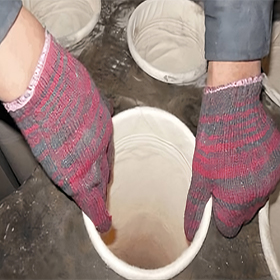
- Insert a protective sleeve into the tube sheet hole to protect the filter bag and prevent the tube sheet from scratching its surface, especially for membrane-coated dust collector filter bags.
- Carefully play the filter bag into the protective sleeve. Fold the filter bag top as needed to ensure the snap band is securely mounted to the tube sheet opening.
- Gently tap around the inside of the filter bag opening with a rubber hammer to ensure tight fit against the tube sheet hole.
- Remove the protective sleeve and carefully install the filter cage.
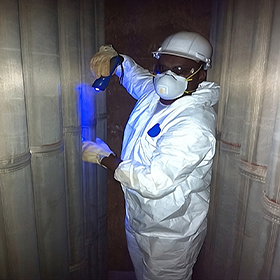
Fluorescent inspection is a diagnostic method used to detect leaks in dust filter bags and accurately identify their locations. It can be carried out during normal operation or when filter bag leakage is suspected.
- Ensure that all dust collection systems, except the fan, are powered off.
- Wear appropriate personal protective equipment (PPE).
- Start the fan and operate it at normal running conditions.
- Evenly introduce the fluorescent powder into the baghouse system through the fan inlet or a designated inspection port for 5–10 minutes, until the outer surface of all filter bags is uniformly coated.
- Shut down the fan and confirm that all dust collector systems are completely powered off.
- Open the cover plate of clean air plenum and then use a fluorescent inspection lamp to examine the inner surfaces of the filter bags and identify any leak points.
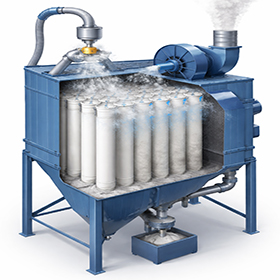
Pre-coating is the process of uniformly applying a layer of ash powder to the outer surface of the filter bags to form a protective precoat. This layer prevents newly installed filter bags from being directly exposed to dust abrasion, thereby reducing the risk of premature clogging and mechanical wear while extending service life. Pre-coating also improves initial filtration efficiency and minimizes dust leakage during start-up.
The pre-coating material is typically boiler fly ash or suitable industrial by-product ash. When the dirty flue gas or dust exhibits acidic characteristics, lime powder is recommended, as it can effectively neutralize acidic components within the baghouse filtration environment.
- Ensure that all dust collector systems, except the fan, are powered off.
- Wear appropriate personal protective equipment (PPE).
- Start the auxiliary fan or operate the dust collector fan at low speed, controlling the duct air velocity to 1–2 m/s.
- Evenly introduce the ash powder into the dust collection system through the fan inlet or a designated pre-coating port for 10–15 minutes, until all filter bags are uniformly coated.
- After pre-coating is completed, run the fan at normal operating speed for testing. Monitor the differential pressure(DP) and maintain it below 1000 Pa for approximately 5–10 minutes before concluding the process.
How Can You Improve Dust Collector Emission Performance?
By integrating a range of professional filter products and technologies, FiltEdge helps you achieve your required dust collector emission performance.
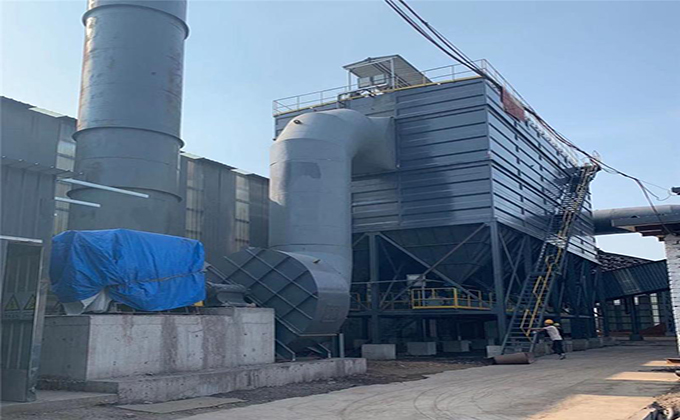
- Baghouse filtration systems are generally more effective than other dust collection methods for achieving low emissions.
- Lowering the air-to-cloth ratio and increasing filtration area can reduce emissions, but require more space and higher system costs.
- Membrane-laminated filter bags further improve filtration efficiency, though often with increased pressure drop.
- Ultra-fine surface layer filter bags balance high filtration efficiency with controlled pressure drop.
- Cartridge and pleated filter bag dust collectors maximize filtration area to lower emissions where space is limited.
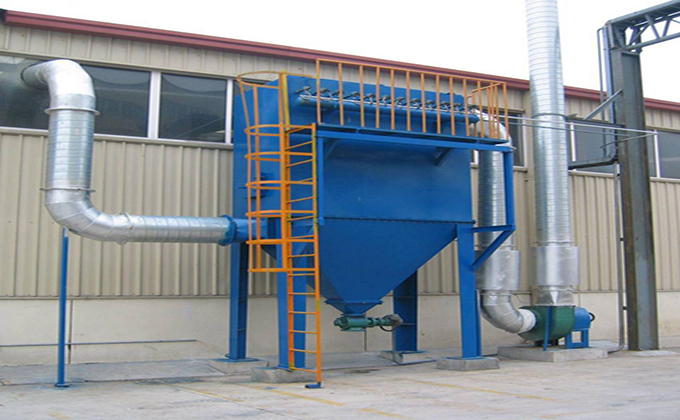
Without modifying the system:
- Evaluate and optimize the cleaning pulse pressure and frequency.
- Evaluate the use of membrane-laminated filter bags.
- FiltEdge ultra-fine surface filter bags provide an effective balance between filtration efficiency and pressure drop.
- If the filter bag length is less than 3 meters, pleated filter bags may be considered with caution.
If the above measures are not feasible:
- Consider modifying the dust collector system.
More About Dust Collector Filter Bag
- Filter Media Selection Guide
- Filter Media Finishes
- After Sales Service
| MaTERIAL | PP (Polypropylene) | ACRYLIC | POLYESTER (PET) | PPS | Meta-ARAMID (Nomex) | PI (P84) | FIBERGLASS | PTFE (Teflon) | |
| Continuous Dry Operating Temperature≤ | °F | 194 | 248 | 266 | 374 | 400 | 464 | 500 | 500 |
| °C | 90 | 120 | 130 | 190 | 204 | 240 | 260 | 260 | |
| Short-term Peak Temperature≤ | °F | 225 | 284 | 302 | 428 | 464 | 500 | 572 | 554 |
| °C | 107 | 140 | 150 | 220 | 240 | 260 | 300 | 290 | |
| Abrasion Resistant | Excellent | Good | Excellent | Good | Excellent | Medium | Medium | Good | |
| Hydrolysis Resistant | Excellent | Excellent | Poor | Good | Good | Good | Excellent | Excellent | |
| Alkali Resistance | Excellent | Medium | Medium | Good | Good | Medium | Poor | Excellent | |
| Acid Resistance | Excellent | Good | Medium | Good | Medium | Good | Good | Excellent | |
| Oxidation Resistance | Excellent | Excellent | Excellent | Poor | Excellent | Excellent | Excellent | Excellent
| |
| Best–For Scenario | High moist, acid/alkali gas, normal temperature | Moist, middle temperature, weak acid/neutral gas environments | General industrial dust, cost-effective | High-temp, low-oxygen flue gas | High-temp, high-abrasion dust | High temperature, low alkali, high oxygen | Ultra-high temperature (non-alkali) (Non-HF) | Highly corrosive | |
Specialized finishes can target specific challenges and extend dust collector filter bag life.
Basic Heat & Surface Finish
- Singeing
By using flame combustion to reduce the surface fibers of the filter media, a better dust removal effect is achieved.
- Glazing
The rapid rolling and surface heat-melting of the filter media by high-temperature hot-pressing rollers creates a smooth and dense surface, similar to a mirror effect, which reduces dust penetration & initial pressure drop and improves filter bag dust removal efficiency.
- Calendaring
The filter media is mechanically compressed by hot pressure rollers, resulting in filter bag tighter fiber arrangement and smoother surface. This process can be used with both non-meltable and thermoplastic fibers without causing filter media surface melting.
- Heat Set
Under specific temperature and tension conditions, internal stresses within the fibers are released, thereby maintaining the shape and dimensional stability of the filter media.
Enhanced Chemical & Environmental Finish
- Acid and Alkali Resistant finish
A protective layer is formed on the surface or inside the filter media through coating or impregnation, thereby improving or enhancing the acid and alkali resistance of the filter bag.
- Water and Oil Repellent finish
Generally, filter medias are treated by impregnation; coating treatment is uncommon. This prevents condensation and oil adhesion, and improves dust removal.
Specialized Finish
- ePTFE Membrane Laminated
An ePTFE membrane is laminated onto the surface of the filter media to improve filtration efficiency, while also enhancing water and oil repellency, chemical resistance, and dust release performance of filter bag.
- PTFE-based impregnation
The filter media is impregnated with a PTFE-based emulsion, enhancing chemical stability and imparting basic water-repellent properties.
- PTFE surface coating
This significantly improves the water and oil repellency of the filter media and enhances dust release performance, thereby improving overall cleaning efficiency.
- Graphite Treatment
Graphite treatment is commonly applied to woven fiberglass filter fabrics to enhance electrical conductivity, lubricating properties and improve filter bag durability under high-temperature operating conditions.
Delivery is not the end — FiltEdge stays with you every step of the way, providing continuous and reliable support.
- Comprehensive filter bag documentation and test reports
- Dust collector filter bag Installation guidance
- Dust collector filter bag operation and maintenance guidance
- Dust collector system performance evaluation and troubleshooting
- Ongoing technical consultation
- Free filter media sample testing and evaluation
- Filter bag spare parts support
Dust collection filter bags can be cleaned by gently tapping, shaking, or using compressed air. Washable filter bags can also be rinsed with clean water and thoroughly dried before reuse.
The service life of Dust Collector Filter Bags primarily depends on your operating conditions and the type of dust. Generally, polyester filter bags can last 1 to 3 years.
Partial replacement is possible, but it must be done according to the product instructions to avoid damaging the filter media and compromising filtration performance.
The materials for dust collection bags typically include polyester, PPS, PTFE, Momex, and others. Please consult us based on your specific operating conditions.
Yes, China Dust Collector Filters bag Factory offers OEM customization solutions, including dimensions, shapes, and filter media, to meet the needs of various industrial dust collectors.
Dust Collector Filter Bag Failure
Are your filter bags performing as intended? Do they comply with emission standards? Have they achieved their expected service life? Understanding common failure modes and their root causes can help you select, operate, and maintain filter bags more effectively—reducing unplanned downtime and overall replacement costs.
Filter Bag Mechanical Wear and Tear
This type of filter bag damage can occur at various locations and is caused by multiple factors, including uneven dust collector airflow distribution, abrasive dust, improper bag cage fit or surface burrs, excessive pulse-jet cleaning, and installation-related issues.
Filter Bag Shrinkage
Filter bags may shrink in both the warp and weft directions due to excessively high flue gas temperatures, whether from short-term or continuous operation, as well as improper filter media selection or substandard media quality.
Filter Bag Burning (Holes)
Localized charring, carbonization, perforation, or even burning on the surface of the filter bag is typically caused by excessively high temperatures or hot sparks.
Filter Bag Blinding
The surface of the filter bag exhibits excessive dust cake buildup with a paste-like consistency. Possible causes include flue gas temperatures that are too low (below the dew point), high humidity, sticky dust, and the presence of oil mist.
Filter Bag Chemical Corrosion
This refers primarily to the effects of acids, alkalis, oxidation, and hydrolysis, which cause the filter media to become brittle, lose mechanical strength, and exhibit abnormal discoloration. Such degradation is typically the result of selecting an unsuitable filter bag option for the operating conditions.
Filter Bag Warp (Longitudinal) Tearing
This type of failure typically occurs when filter bags become clogged or hardened, shrink, or suffer a significant loss of mechanical strength, and subsequently tear under normal or excessively high pulse-jet cleaning pressure.
Filter Bag Spring Snap Band Corrosion
Spring Snap Band Corrosion can occur even when the filter flue gas temperature remains above the acid dew point. In such cases, filter system components must be manufactured from more corrosion-resistant steel materials. Under severe conditions, even 316 stainless steel snap bands may corrode, making the use of specialized high-alloy materials necessary.
Dust collector filter bag failures can occur in many forms and for a variety of reasons. For appropriate solutions, please contact us. FiltEdge, your professional filtration partner, is always here to support you.