
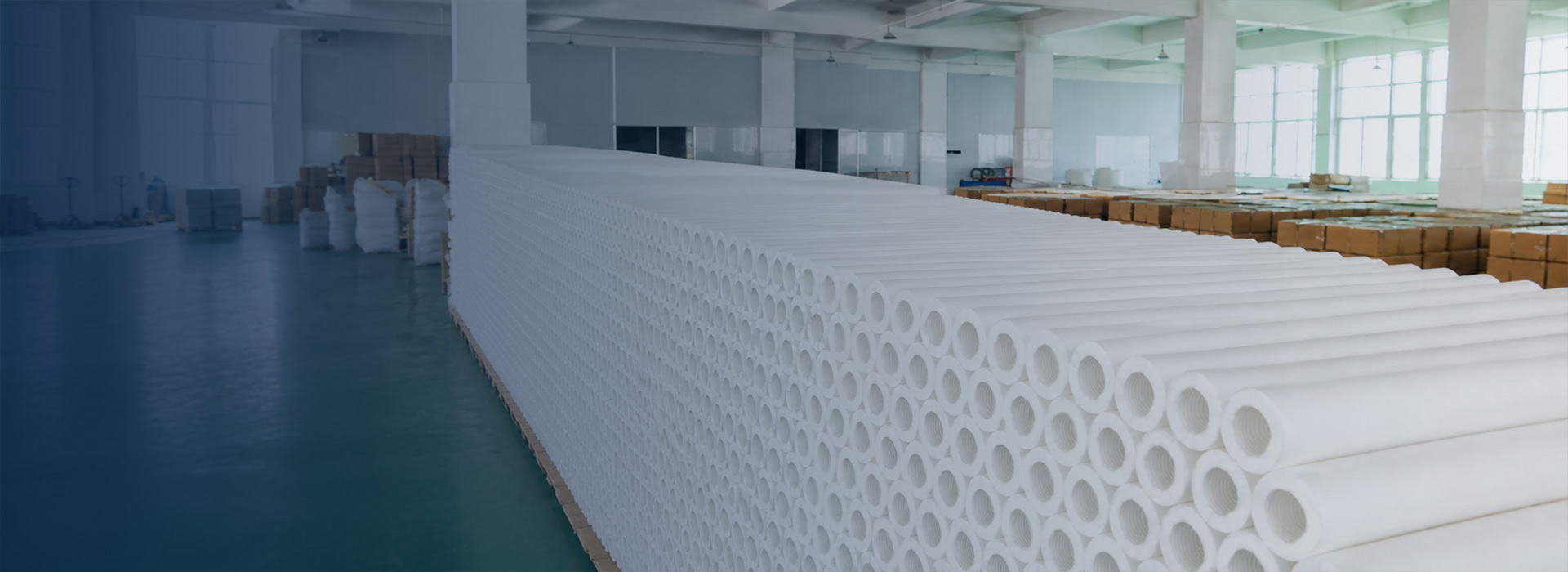
What Is A Sintered Plastic Filter?
FiltEdge’s sintered plastic filter is a sintered plastic filter cartridge, which is a filter element made of plastic powder or particles that are partially melted and bonded together at high temperatures, and have a large number of micropores. It is more sturdy and durable than traditional filter bags or ordinary filters, and can adjust the pore size, porosity, breathability, and filtration performance according to your filtration needs.
FiltEdge’s sintered plastic filter mainly includes various materials such as PE, PP, Nylon, PTFE, PVDF, etc., to match your different filtration needs, such as for filtering gases or liquids in chemical and water treatment industries.
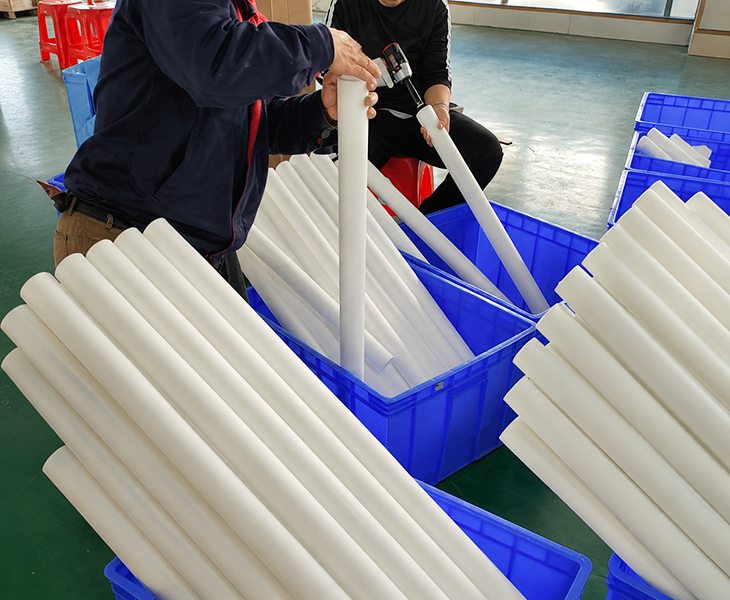
Classification Of Sintered Plastic Filters
FiltEdge’s sintered plastic filter has over a hundred models. Based on your application conditions, fluid properties, and filtration accuracy, you can classify them according to the material and structure of the sintered plastic filter to help you quickly select the right one. Or you can contact us and we will help you analyze and select.
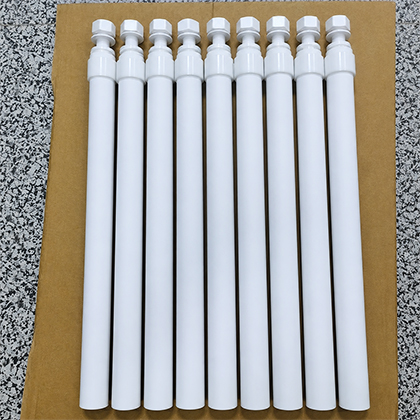 Sintered PP Filter
A material with excellent chemical properties and high cost-effectiveness, suitable for general liquid, air, and chemical filtration.
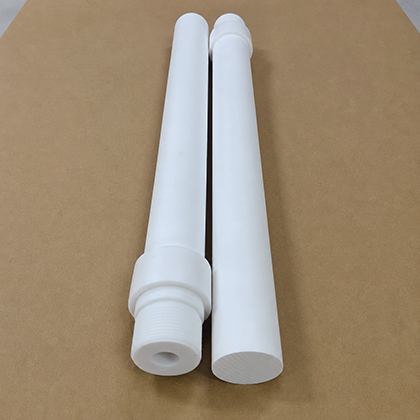 Sintered PE Filter
Porous media with stable performance, commonly used in water treatment and general industrial filtration.
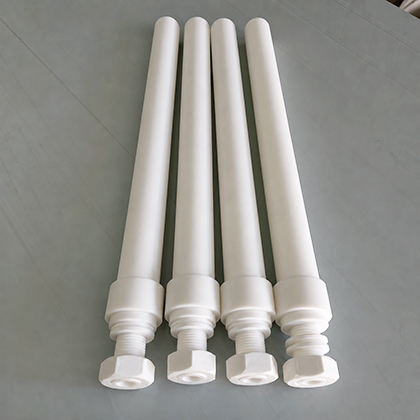 Sintered PTFE Filter
Specially designed for corrosive chemicals, strong acids and bases, oxidants, organic solvents, and high-temperature environments.
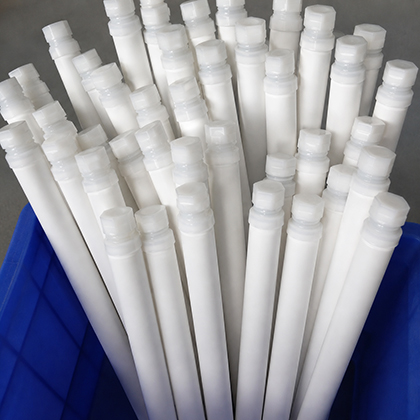 Sintered PVDF Filter
Suitable for industrial filtration systems with strong corrosiveness.
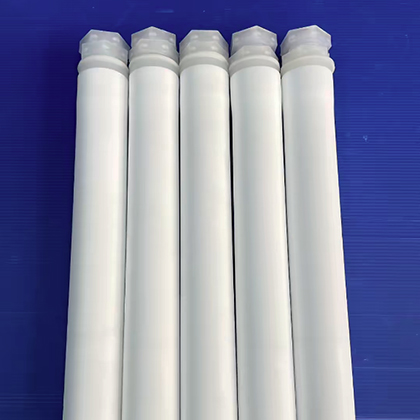 Sintered Nylon Filter
Nylon has natural hydrophilicity and is suitable for water-based fluids, selected solvents, sample preparation, and fine particle removal.
Features of Sintered Plastic Filter
Sintered plastic filters have deep filtration capacity and chemical stability, helping you intercept particles, ventilate, and distribute them.

Provide a predictable pore structure with a consistent structure to ensure the desired filtering effect.

Multiple polymer filter media are available for selection, choose a sintered plastic filter that is suitable for your process fluid and can withstand corrosive chemicals in China.

A uniform three-dimensional connected pore structure can maintain stable flow channels and low pressure drop.

The Sintered Plastic Filter combines the advantages of lightweight and mechanical durability, being sturdy and not easily deformed, making it easy for you to install and use, and reducing the frequency of manual maintenance.

Rigid porous structure that can be cleaned and used for a long time, reducing your long-term operating costs.

The sintered plastic filter is made entirely of pure plastic material, with no metal that can precipitate. It can be used for applications without metal pollution, corrosion, or conductivity.
Application Of Sintered Plastic Filter
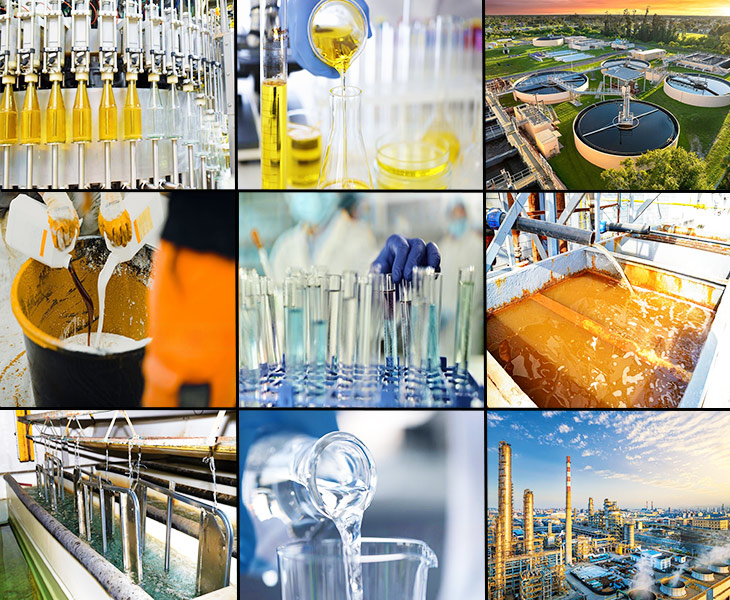
FiltEdge’s sintered plastic filter has a coverage accuracy of 0.2 μ m-200 μ m, which can handle particle impurities in liquids and powders in gases. It has a wide range of applications. For example, chemical engineering, water treatment, commercial buildings, laboratories, pharmaceuticals, food and beverage, electronic semiconductors, industrial dust removal.
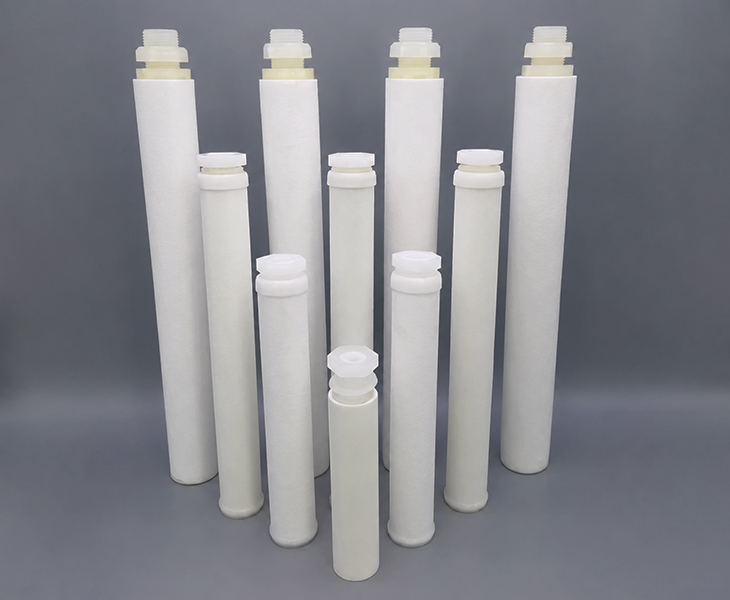
Customize Sintered Plastic Filters
As a supplier of sintered plastic filters, FiltEdge can customize the porosity, size, material selection, and geometric shape of sintered filters according to your harsh working conditions and different operating conditions. Improve the adaptability of the filter element to ensure your production quality and brand market.
Certificate Of Sintered Plastic Filter
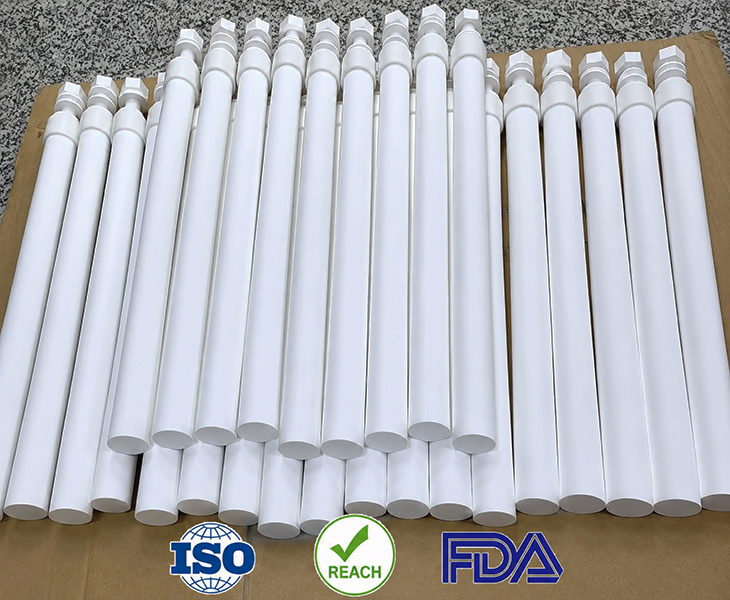
Confirm applicable quality and compliance requirements for the selected product before ordering. Request supporting documents for the exact model, material and manufacturing entity. Food or pharmaceutical suitability, third-party inspection and any certification must be agreed separately; audit acceptance is not guaranteed.
Why Choose FiltEdge's Sintered Plastic Filter?
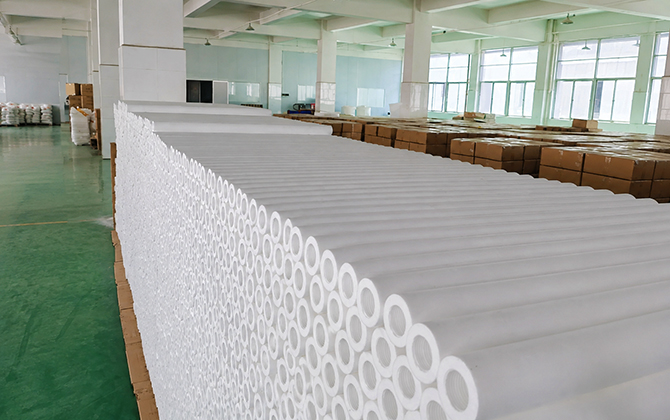
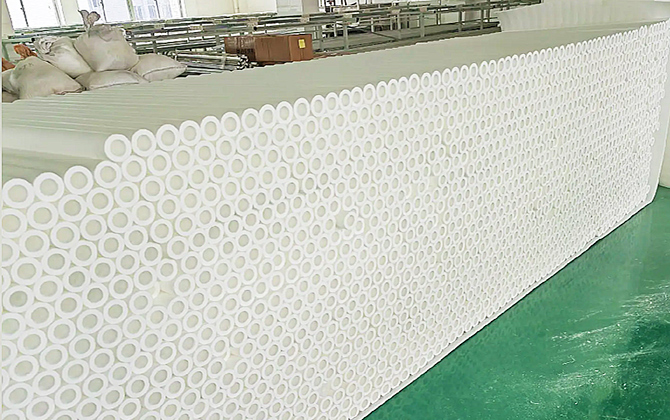
FiltEdge LLC is a U.S. company established in 2023, supported by SFFILTECH in China, established in 2006. Manufacturing support is provided through SFFILTECH in China. Confirm product specifications, available quality documents, pricing and delivery in the quotation. Certificates must be checked for the relevant entity, facility and product. Support is arranged during business hours; any on-site service or warranty terms require separate agreement.
Specification Of Sintered Plastic Filter
The following are the technical parameters, chemical properties of various materials, and selection guidance of the sintered plastic filter to help you quickly understand.
- Technical Specification Sheet
- Material Performance Parameters
- Selection Guide
| Parameter | Specifications / Optional Range |
| Product Name | Sintered Plastic Filter / Porous Plastic Filter |
| Manufacturing Process | Polymer powder sintering |
| Available Materials | PE, PP, PTFE, PVDF, Nylon (PA) |
| Structural Types | Filter disc, tube, rod, sheet, cone, cup, custom molded element |
| Filtration Mechanism | Surface filtration / Depth filtration |
| Filtration Accuracy | 0.5–100 μm |
| Common Pore Sizes | 1, 3, 5, 10, 20, 40, 60, 80, 100 μm |
| Pore Size Distribution | Uniform interconnected porous structure |
| Porosity | 18%–60% |
| Flow Direction | Outside-in / Inside-out / Cross-flow, depending on design |
| Wettability | Hydrophilic or hydrophobic, depending on polymer material and surface treatment |
| Compatible Media | Liquids, gases, air, water-based fluids, compatible chemicals, solvents, process fluids |
| Typical Functions | Particle filtration, venting, aeration, fluid distribution, degassing, silencing, flow control |
| Dimensions | Customizable: OD, ID, length, thickness, pore size, and connection type |
| Connection Methods | Press-fit, threaded, flanged, welded, bonded, or custom connection |
| Regeneration Methods | Backflushing, ultrasonic cleaning, solvent cleaning, or replacement depending on contamination and media compatibility |
| Color | Natural white, translucent, or customized |
| Regulatory Compliance | FDA / RoHS / REACH / food-contact compliance available upon material and application request |
| Customization Capabilities | Material, pore size, porosity, dimensions, shape, hydrophilicity, and assembly configuration customizable |
| Material | English Name | Typical Max. Continuous Operating Temperature | Key Features | Recommended Applications |
| PE | Polyethylene | ≤80°C | Low cost, resistant to most acids and alkalis, good toughness, suitable for most conventional liquid filtration | Water treatment, general chemical liquids, aeration, gas filtration, silencing |
| PP | Polypropylene | ≤120°C | Good cost-effectiveness, resistant to many acids and alkalis, lightweight, suitable for general industrial chemical media | Chemical liquids, air, acid/alkali solutions, general process filtration |
| PTFE | Polytetrafluoroethylene | ≤260°C | Chemically inert, highly corrosion-resistant, high-temperature resistant, naturally hydrophobic | Strong acids/alkalis, oxidizing agents, organic solvents, corrosive gases, high-temperature applications |
| PVDF | Polyvinylidene Fluoride | ≤150°C | High strength, corrosion-resistant, UV and ozone resistant, low extractables | High-purity chemicals, oxidizing media, electronic chemicals, corrosive liquids |
| Nylon | Polyamide / PA | ≤120°C | High strength, wear-resistant, good hydrophilicity, easy to wet |
| Application Field | Typical Applications | Common Materials |
| Chemical Processing | Corrosive liquid filtration, chemical media filtration, process filtration | PTFE, PVDF, PP, PE |
| Water & Wastewater Treatment | Water filtration, particle removal, prefiltration | PP, PE, PVDF |
| Air & Gas Filtration | Gas filtration, air filtration, compressed air filtration | PE, PP, PTFE |
| Medical & Laboratory Equipment | Gas filtration, venting, pressure equalization | PTFE, PP, PE |
| Pharmaceutical Processing | Process fluid filtration, gas filtration, venting | PTFE, PVDF, PP |
| Food & Beverage Processing | Process liquid filtration, gas filtration | PP, PE, PTFE |
| Electronics & Semiconductor | High-purity chemical filtration, gas filtration, venting | PTFE, PVDF |
| Powder & Particulate Control | Dust control, venting/filtration in powder conveying systems | PE, PP |
Sintered plastic filter belongs to deep filtration media. When facing high solid load, small filtration area, fine pore size accuracy, or viscous substances, pollutants accumulate on its surface or in the internal voids, making it easy to clog. I suggest adding a pre filtration process in front of the sintered plastic filter system to extend its service life, using sintered filter cartridges with larger filtration areas or reducing pore size accuracy. For specific solutions, please contact us.
After cleaning, the pressure drop of the sintered plastic filter remains high due to the following issues:
- The pollutant has been embedded deep into the porous structure, causing irreversible pore blockage;
- Incomplete cleaning;
- The filter element is physically damaged due to excessive pressure, improper operation, and the use of incompatible cleaning chemicals;
- Pollutants such as cured resin, carbonized deposits, hard scale, and highly adhesive particles may not be completely removed.
At the beginning of installation, it is recommended to keep a record of pressure drop for comparison with subsequent pressure drops. If it is completely unusable, it is recommended to replace it with a new sintered plastic filter.
This concept is incorrect, and it is not necessarily better to have a smaller micrometer precision. The micrometer precision that meets your process requirements is the best. Pursuing high precision blindly will only lead to risks such as rapid blockage, rapid increase in pressure drop, and severe decrease in flow rate for the sintered plastic filter. As long as the micrometer precision is smaller than the minimum diameter of the substance you need to filter, it can ensure achieving your filtering effect, extend the service life of the sintered plastic filter, and reduce your maintenance costs.